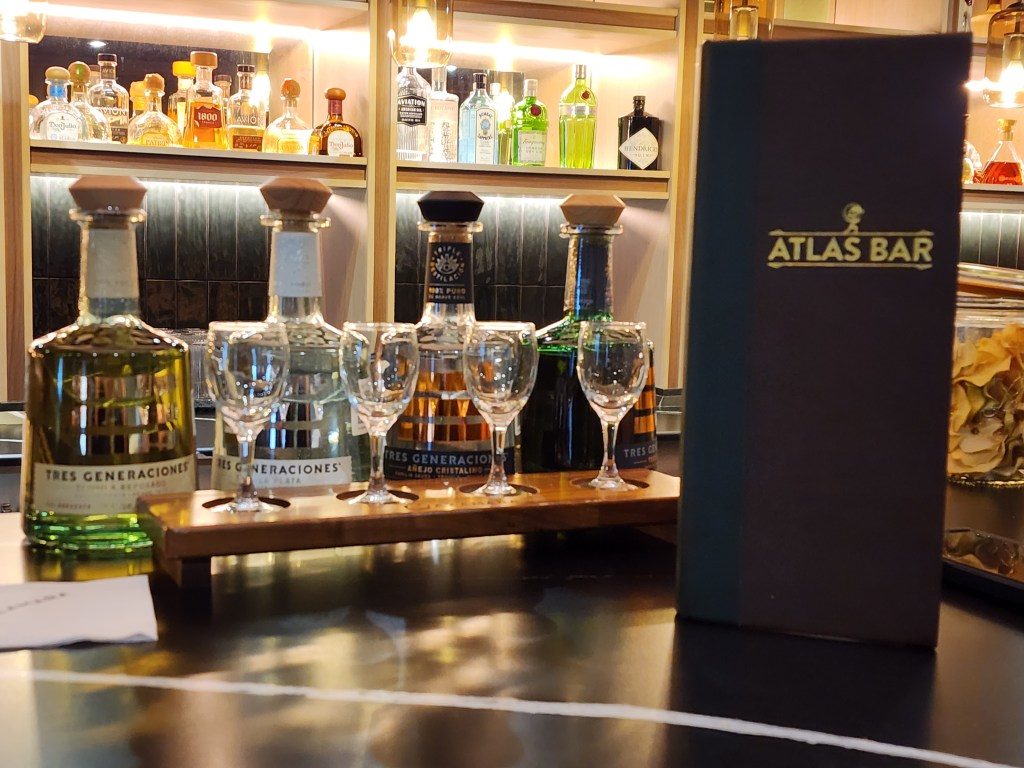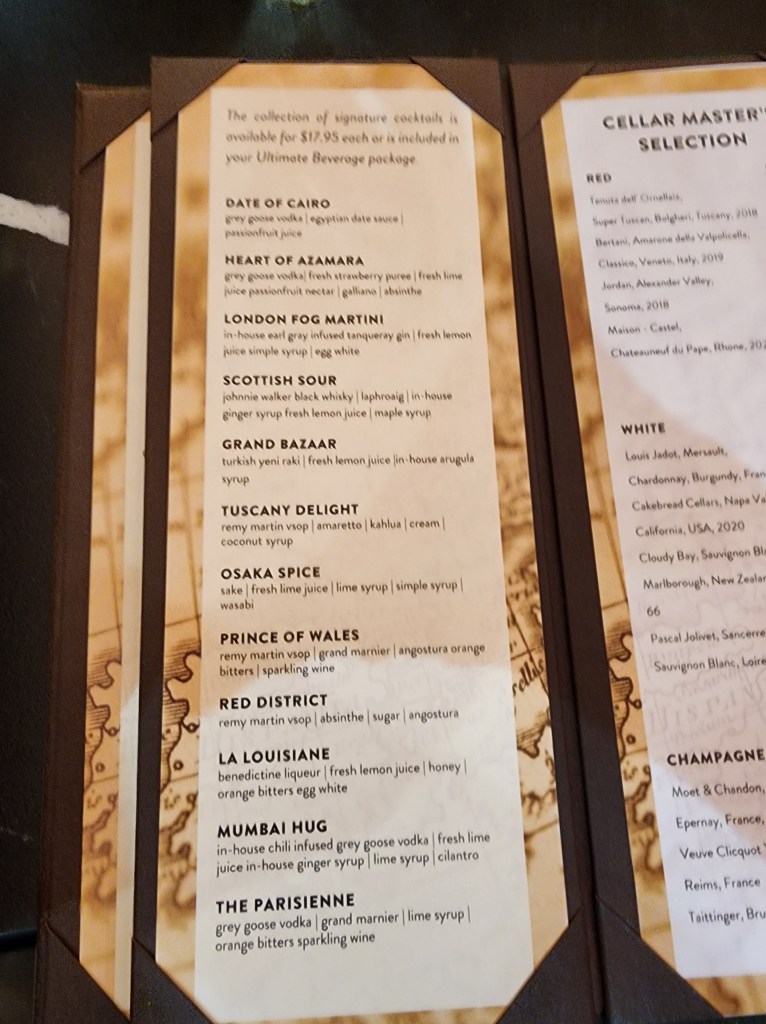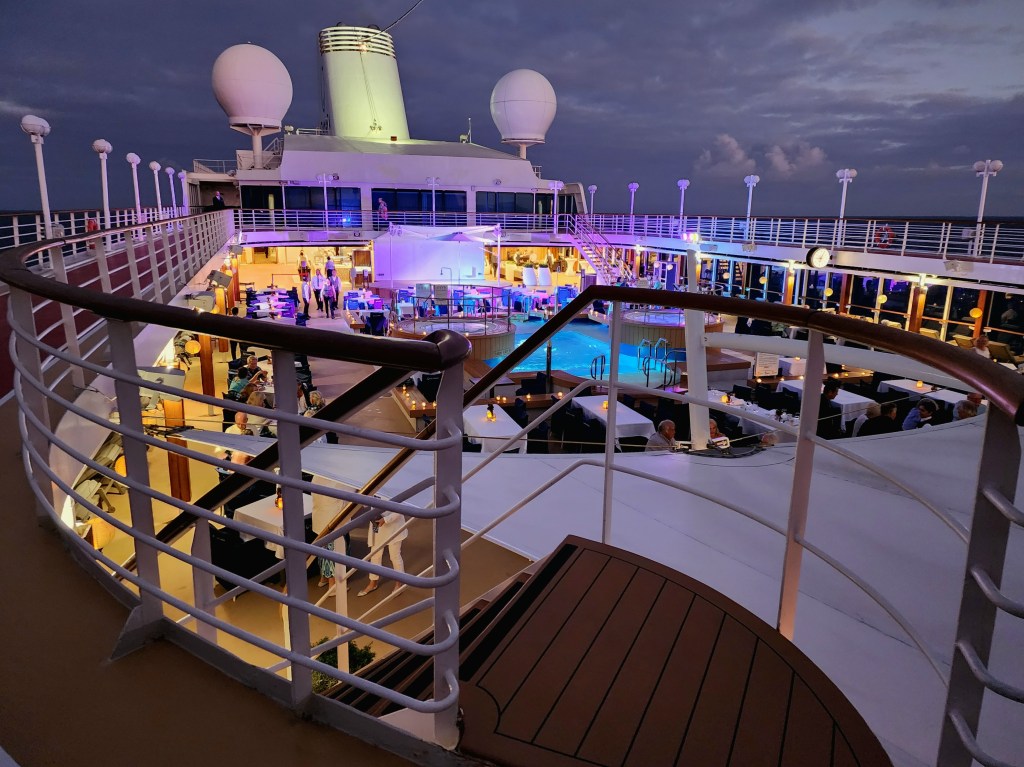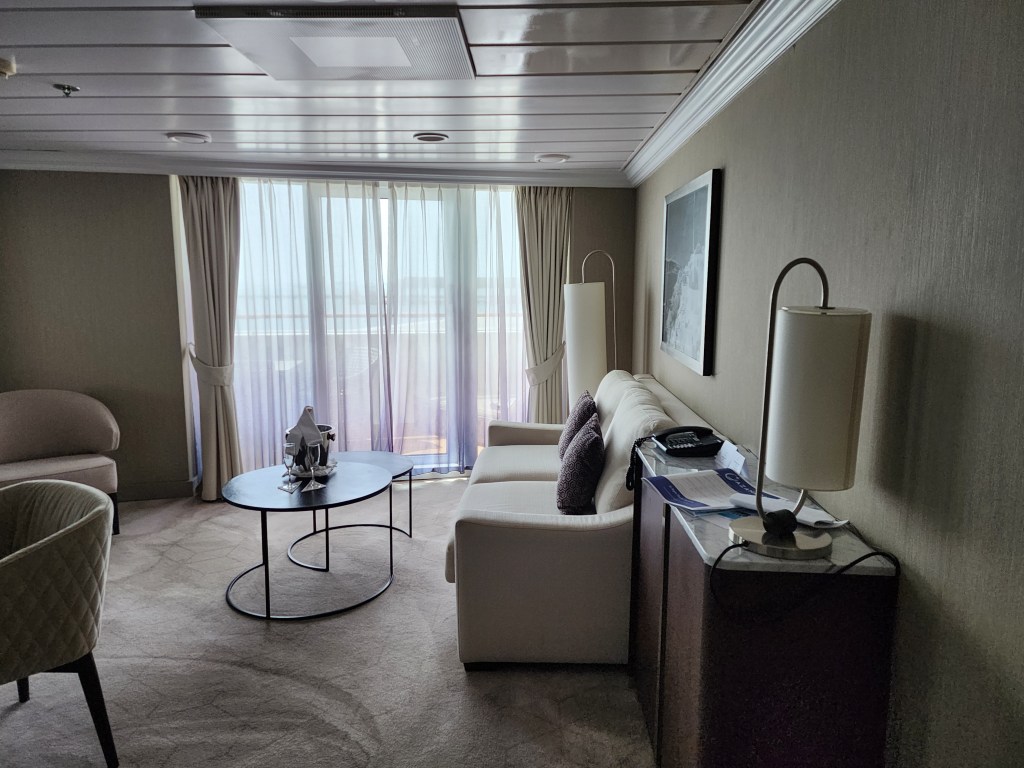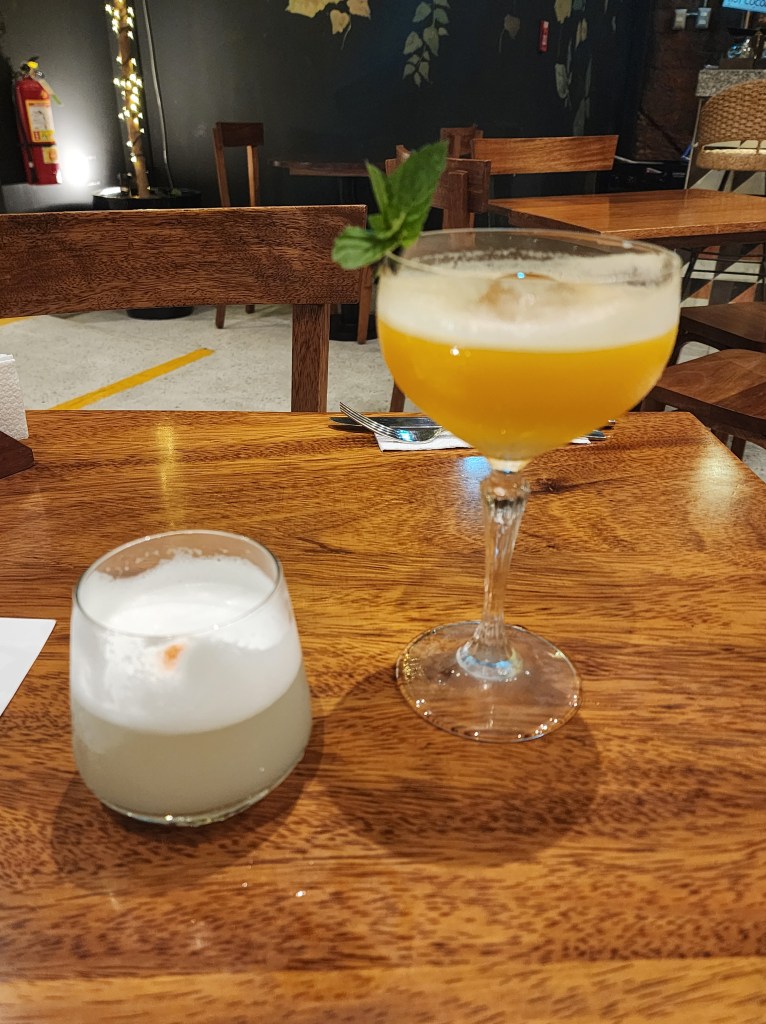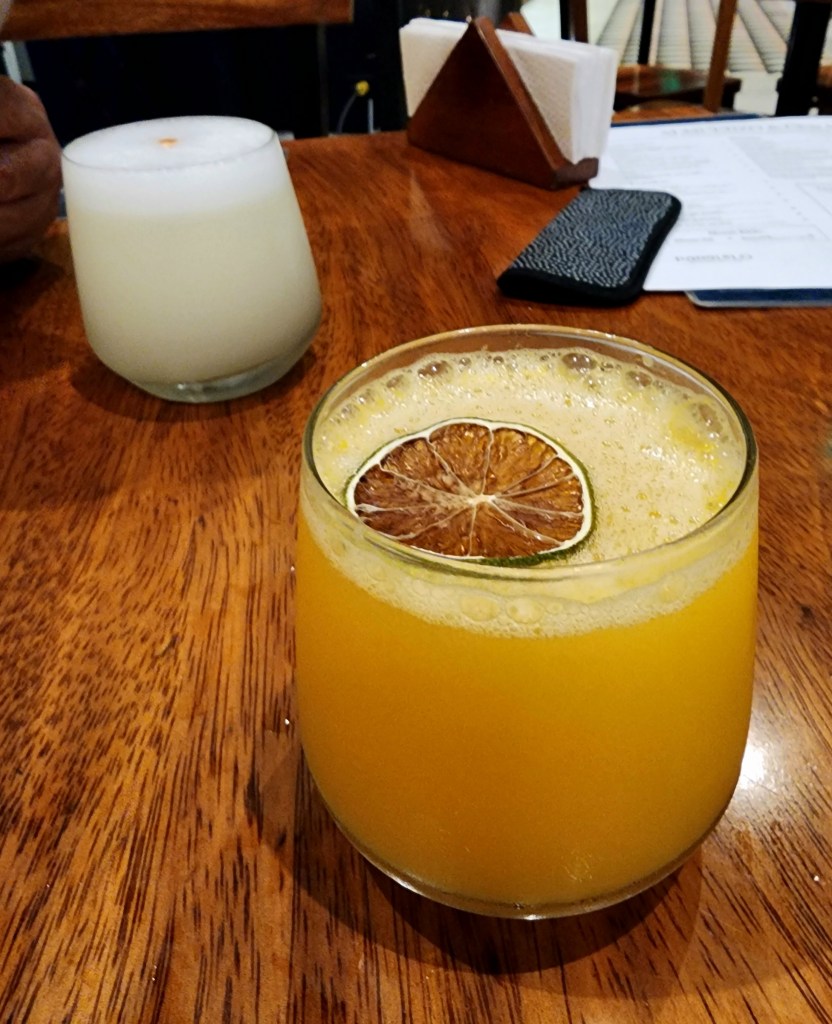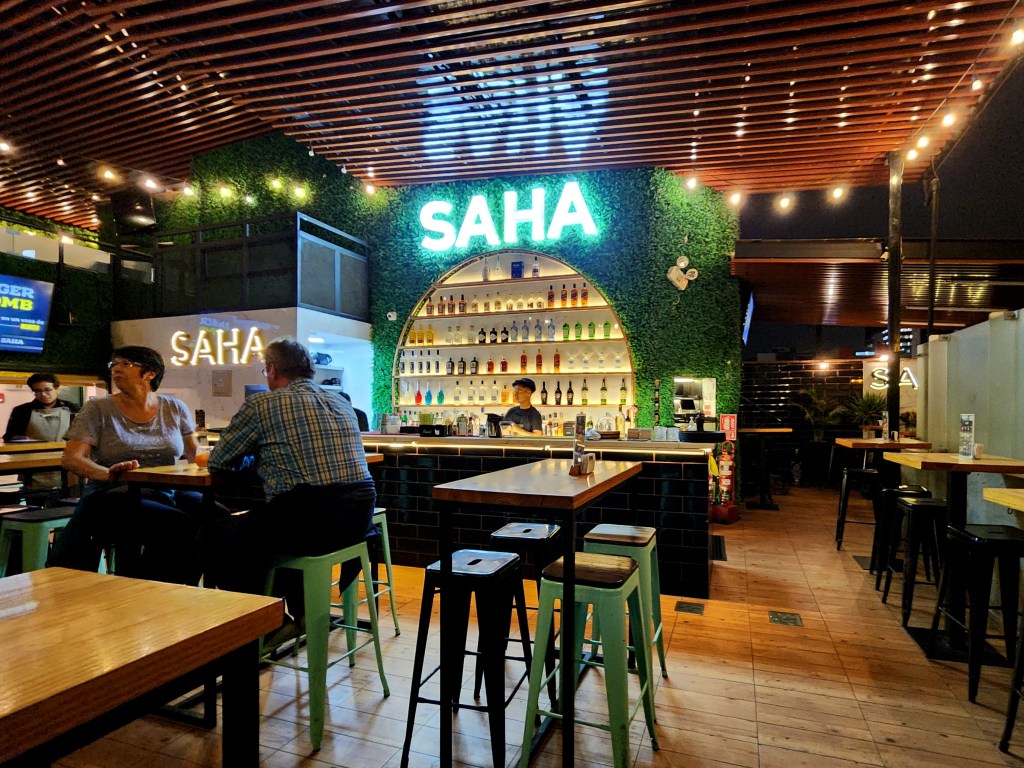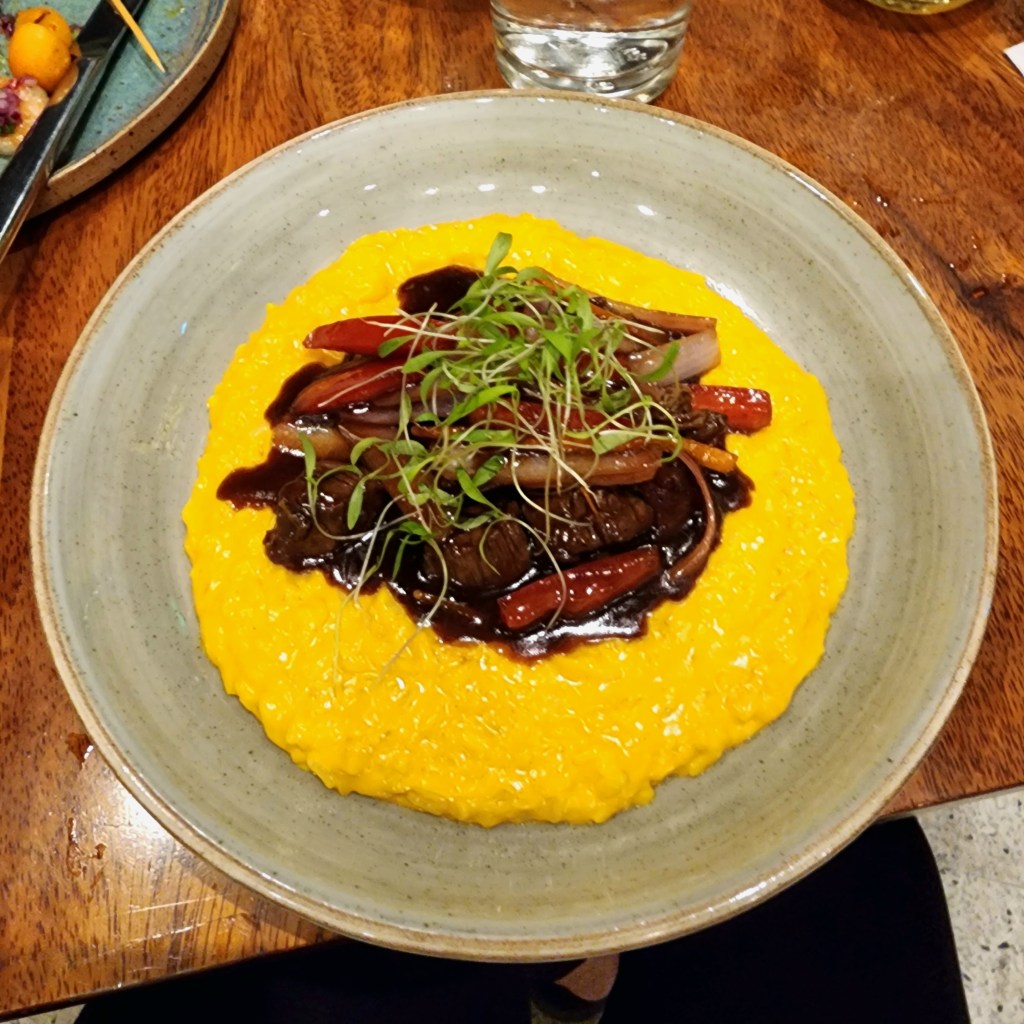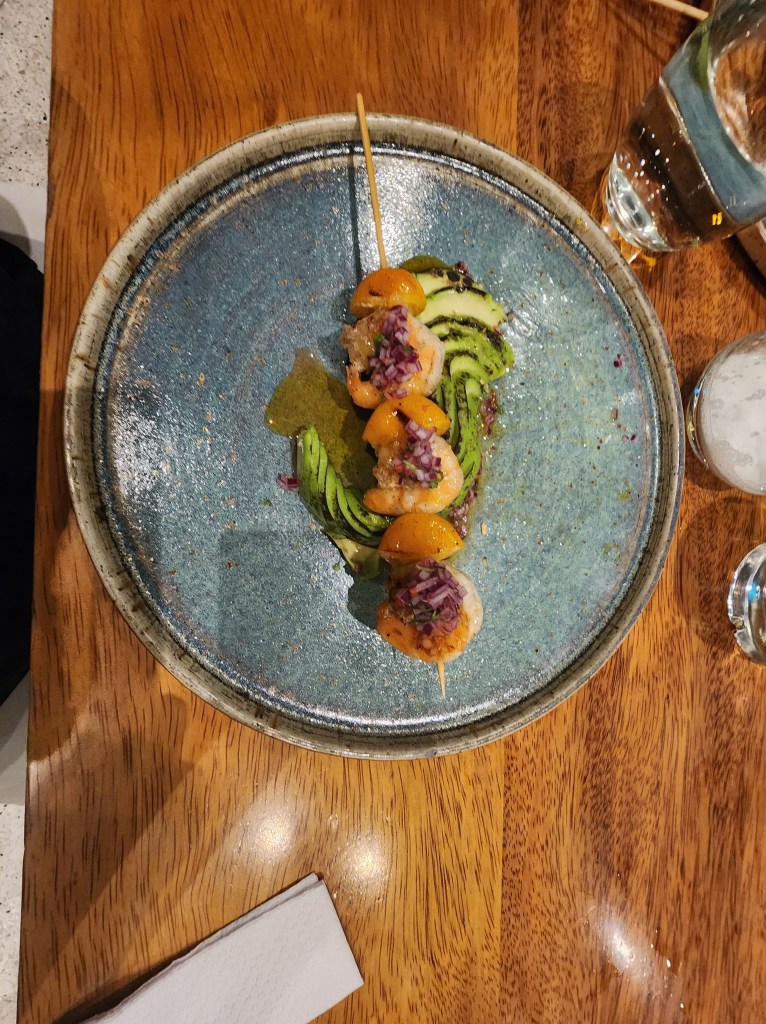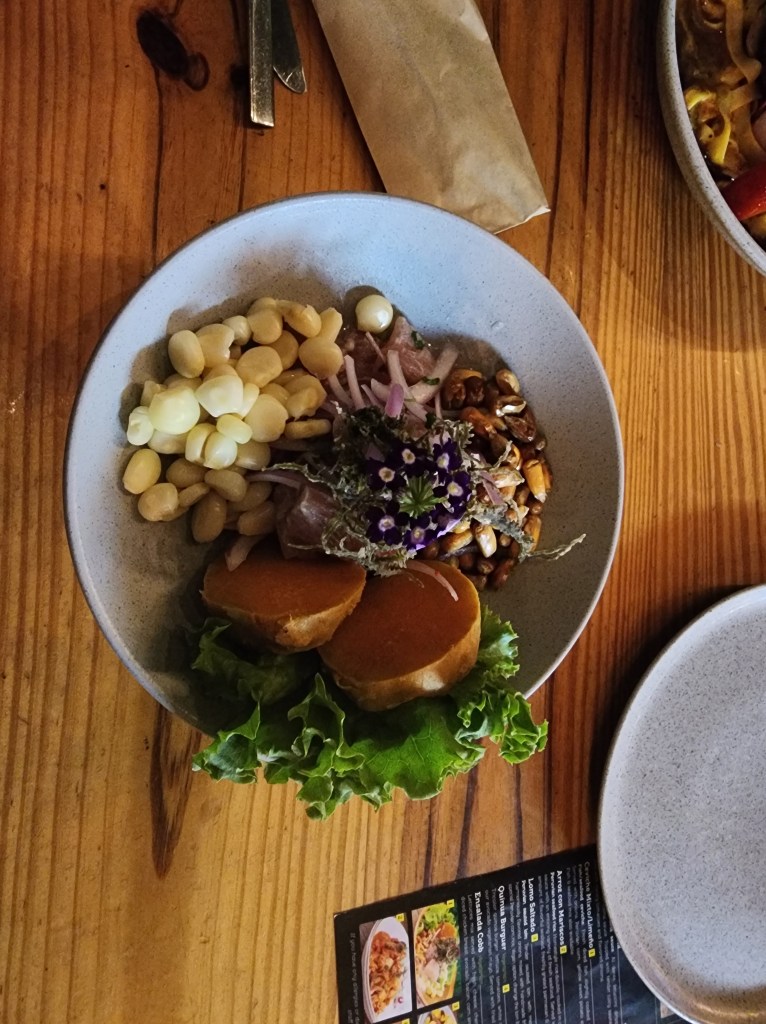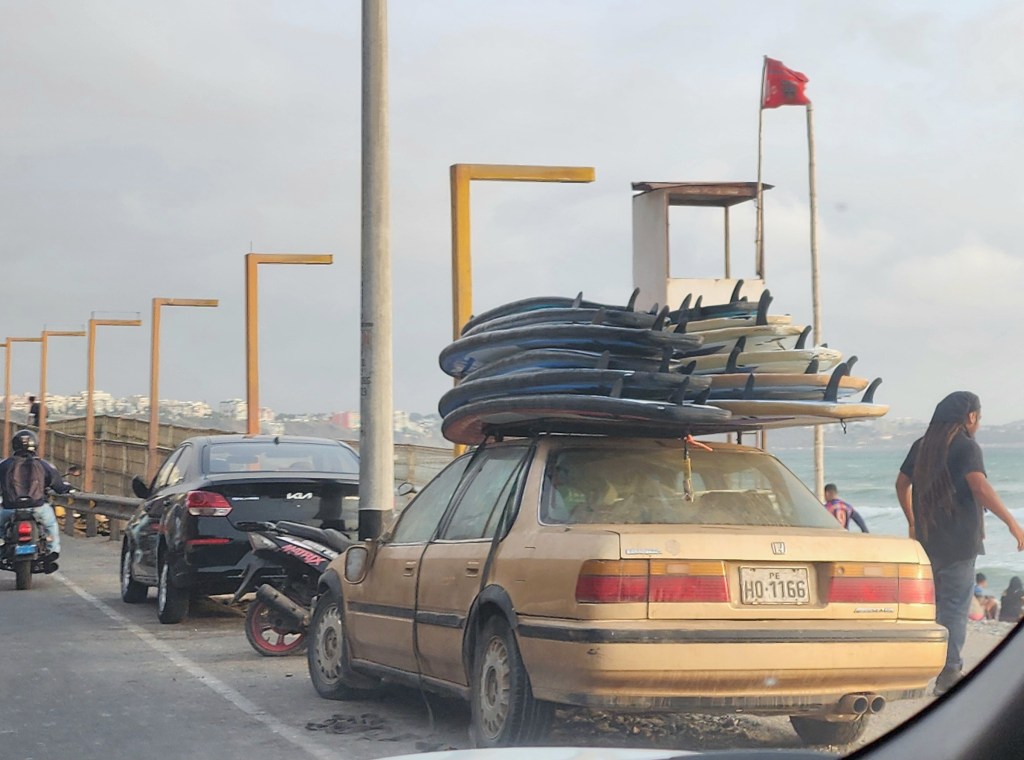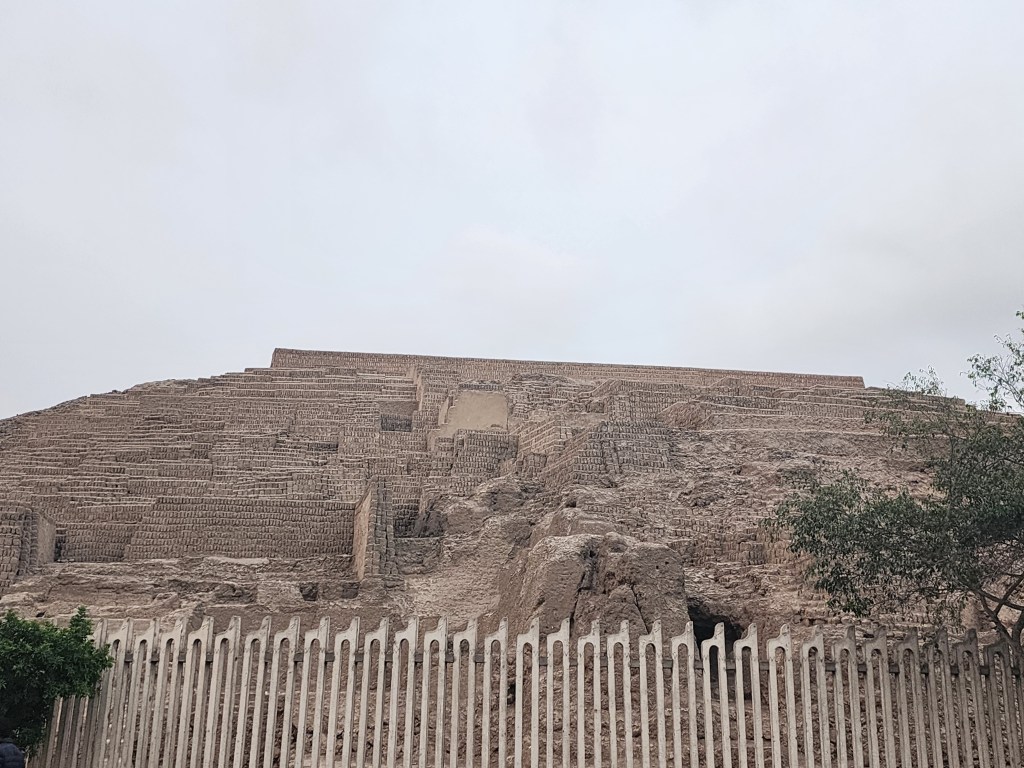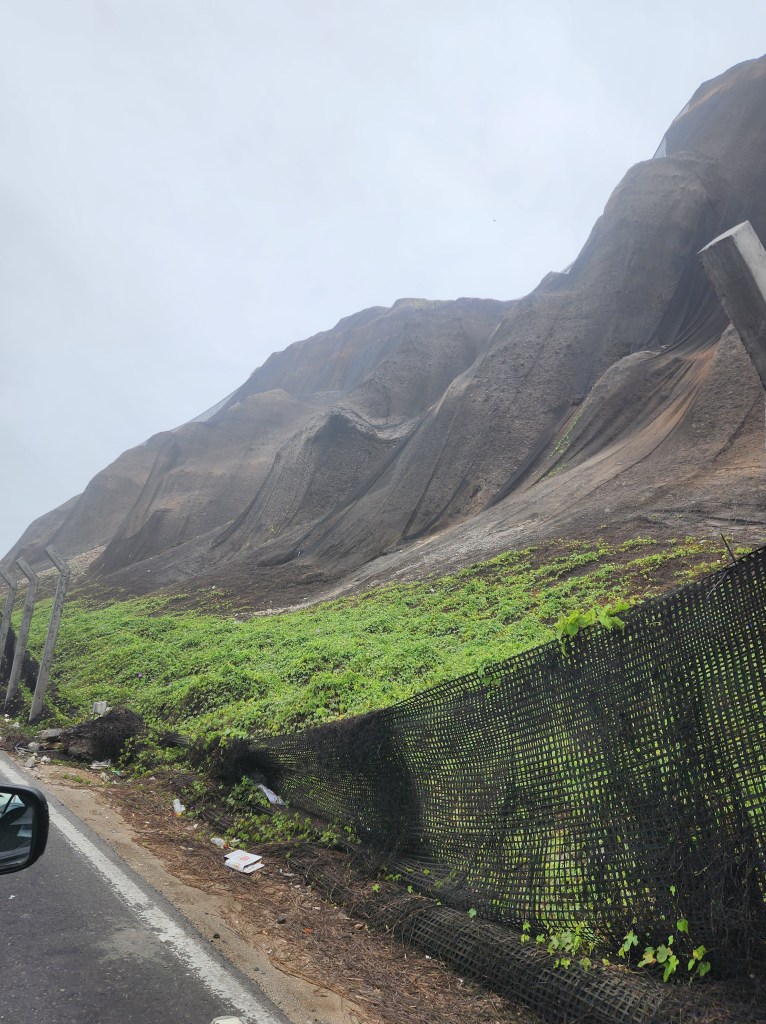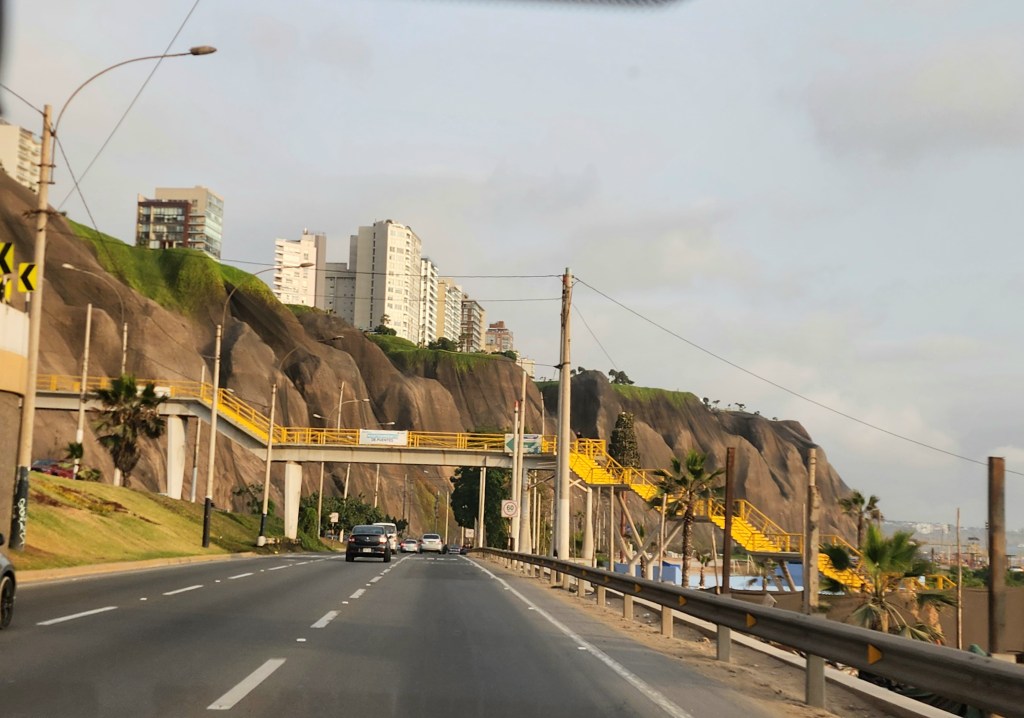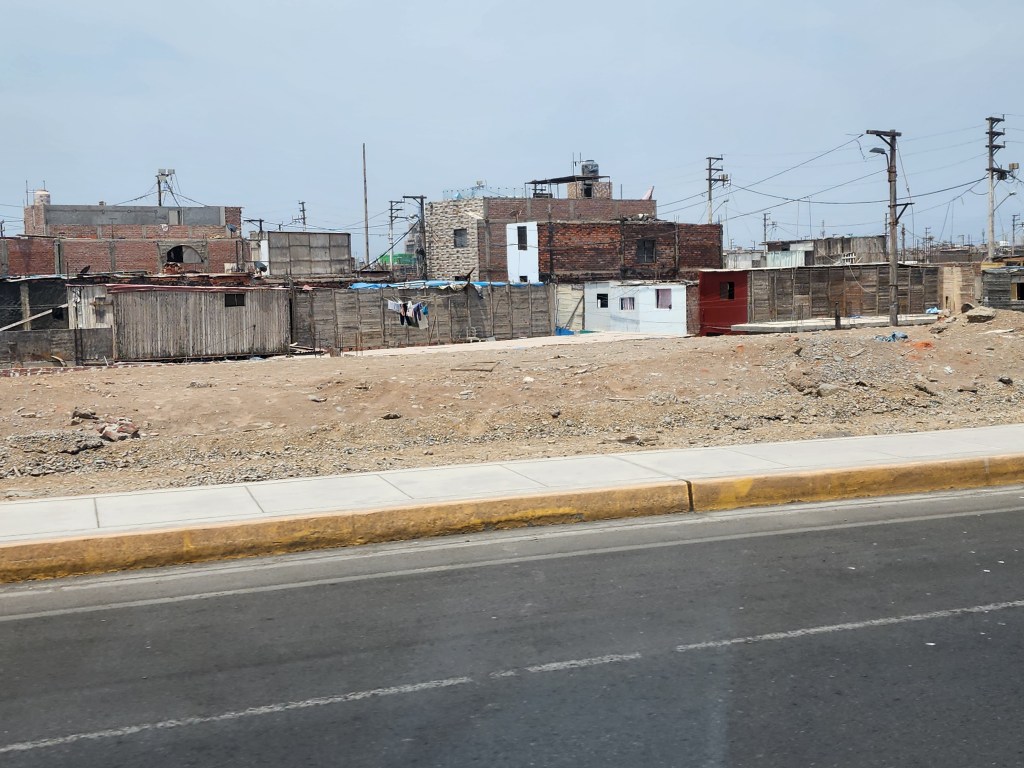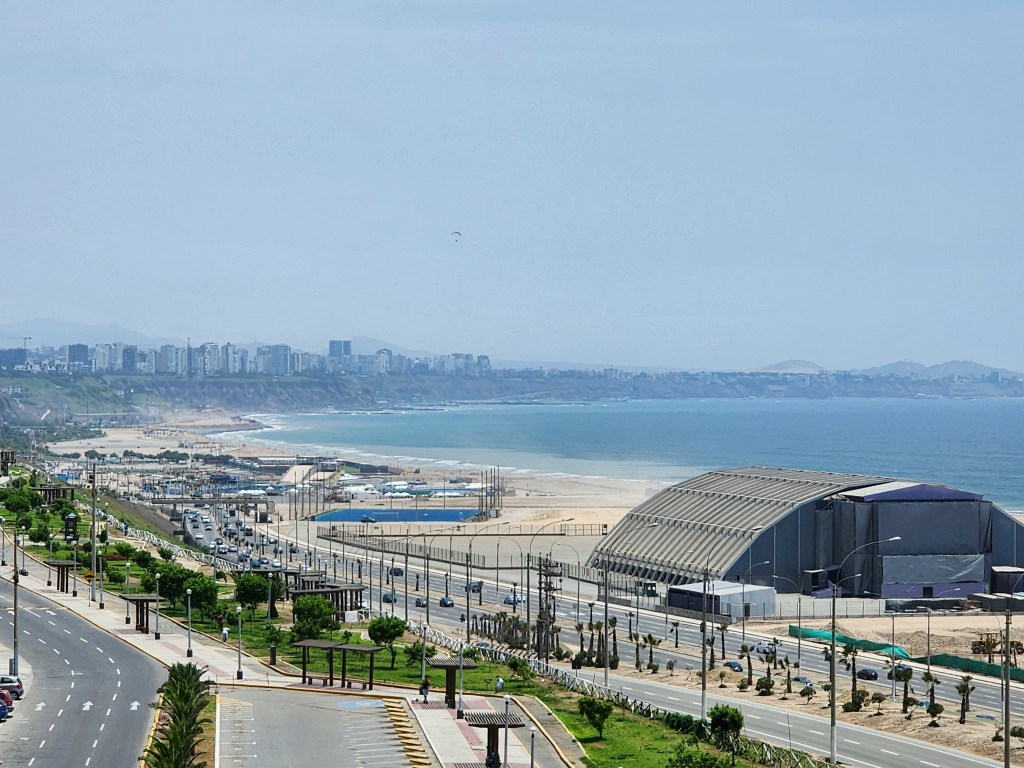
And we made it to Lima, Peru

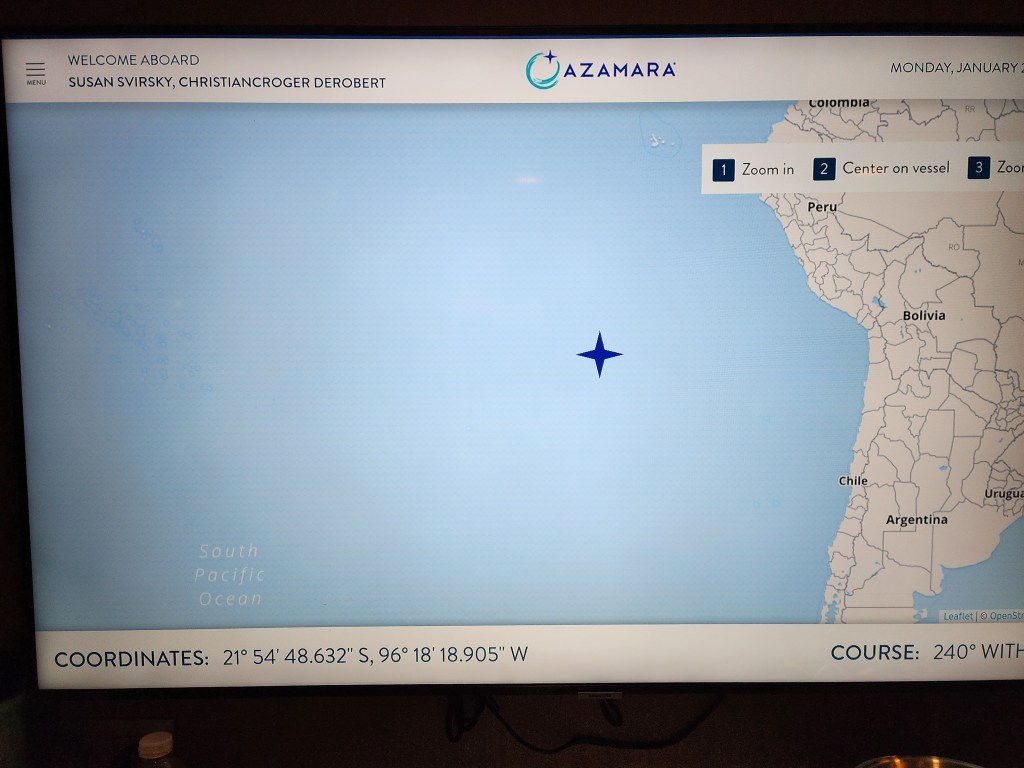
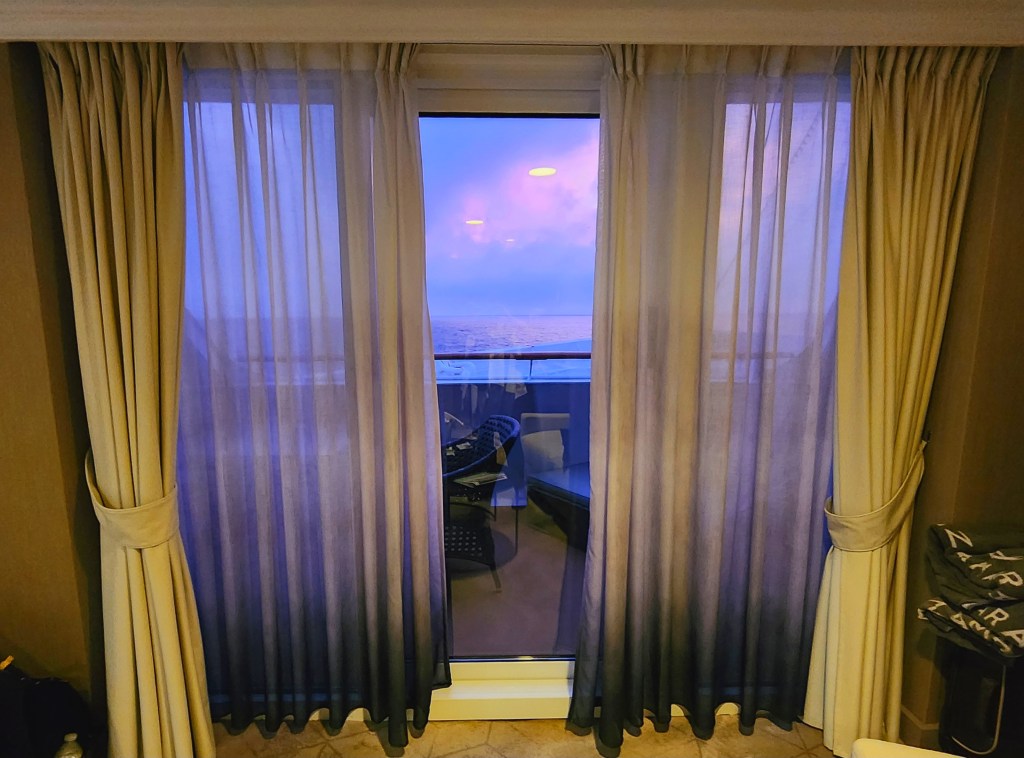
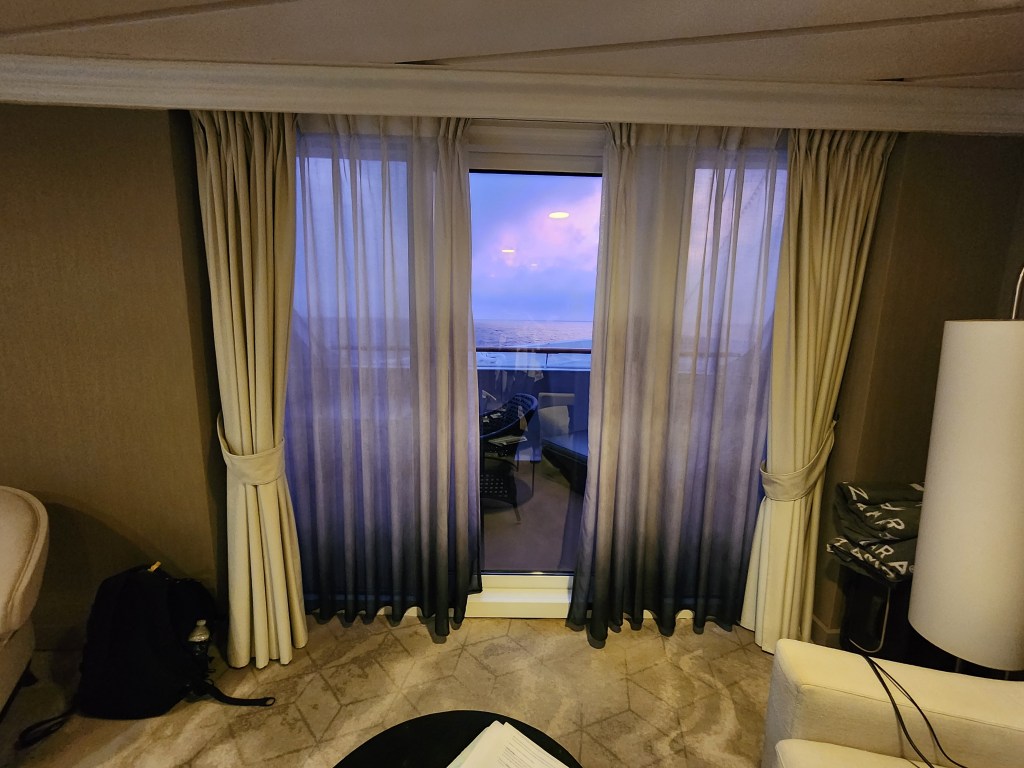
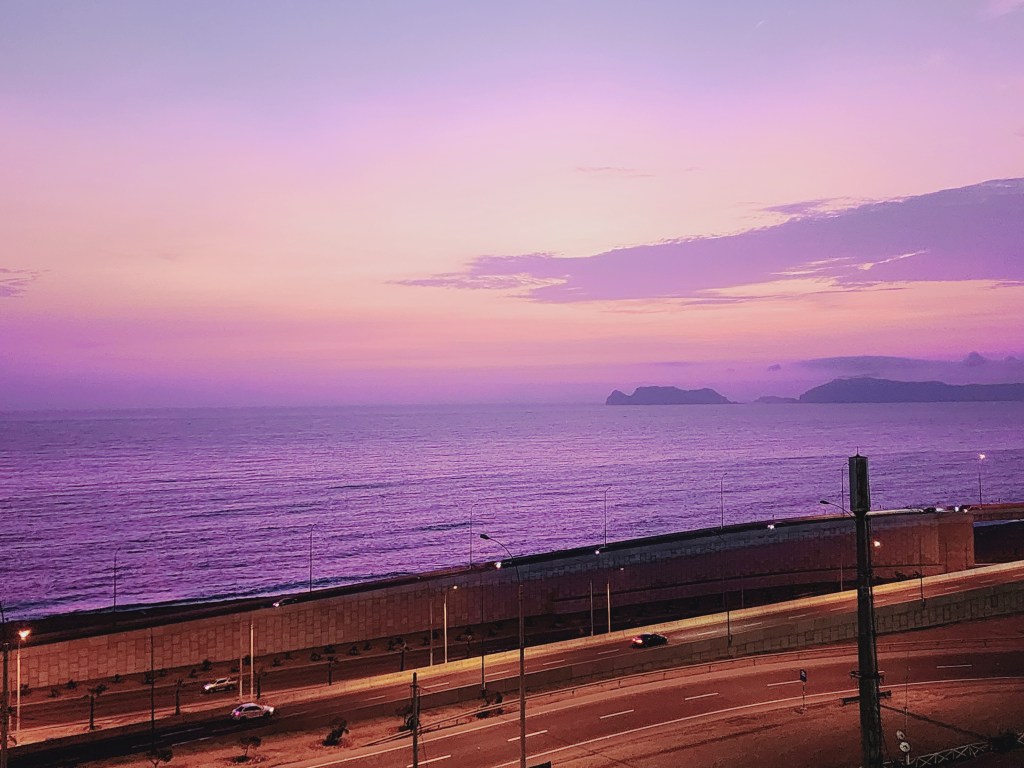
We got here after a pretty long and delayed flight but all is good. We have an apartment through VRBO that is overlooking the Pacific which is pretty neat. Lima itself, well not so impressed. Surprisingly being this close to the equator it’s not very warm, there is a fog off the ocean that has a chill. Here is the view from the balcony to the south.

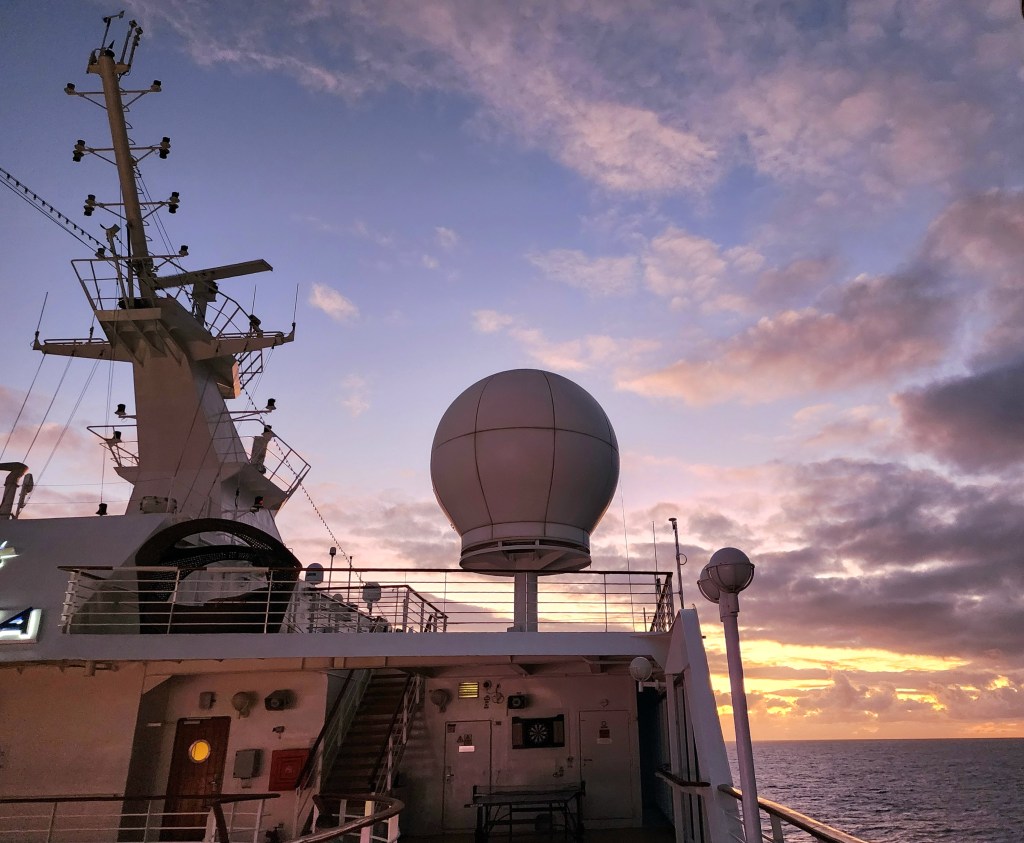
And the sunset looking slightly towards the north.

Breakdown, home reno and surgery – oh my!
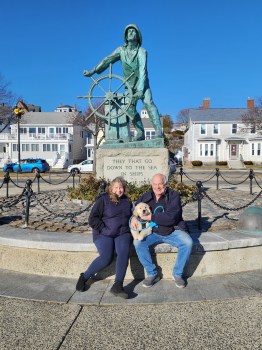
I apologize that I didn’t get my last post for this trip up sooner, but life got in the way:( It covers our trip back from Wyoming to Gloucester. On the way back we had a big hiccup, we had to be towed in SD due to Ford putting incredibly cheap wires on the plugs which failed. Naturally it happened on a Friday so we were stranded until the shop opened on Monday, then they had to get parts. Finally we got back on the road Tuesday and caught up with our itinerary.

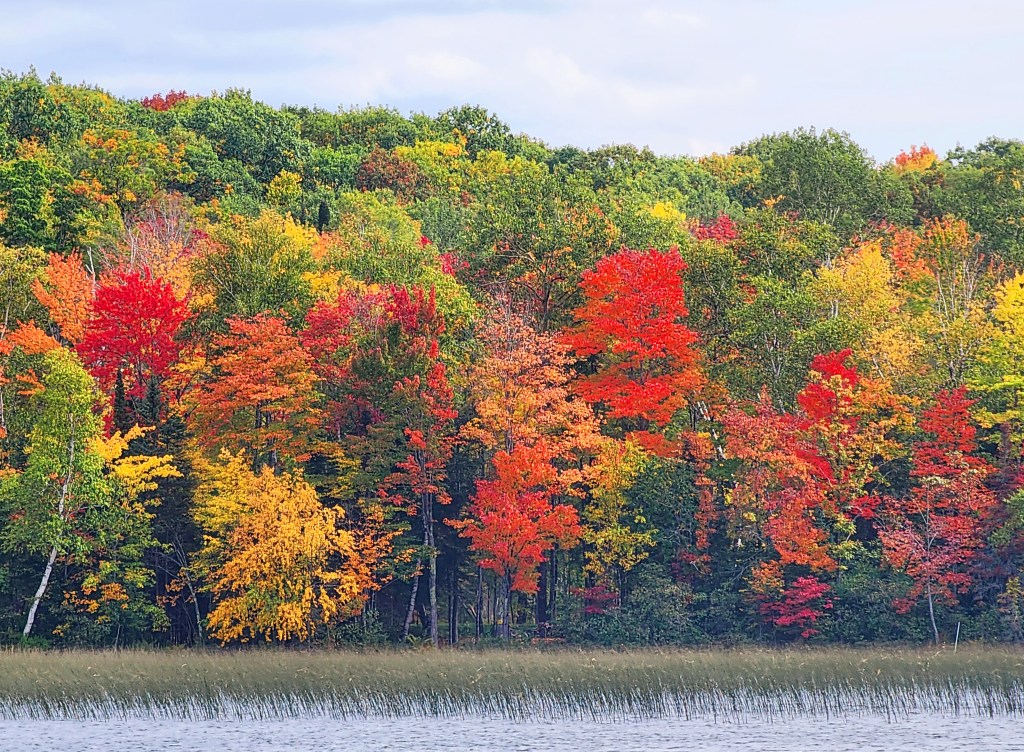
We had a wonderful visit with family in Wisconsin and then crossed the UP into Canada following the foliage.

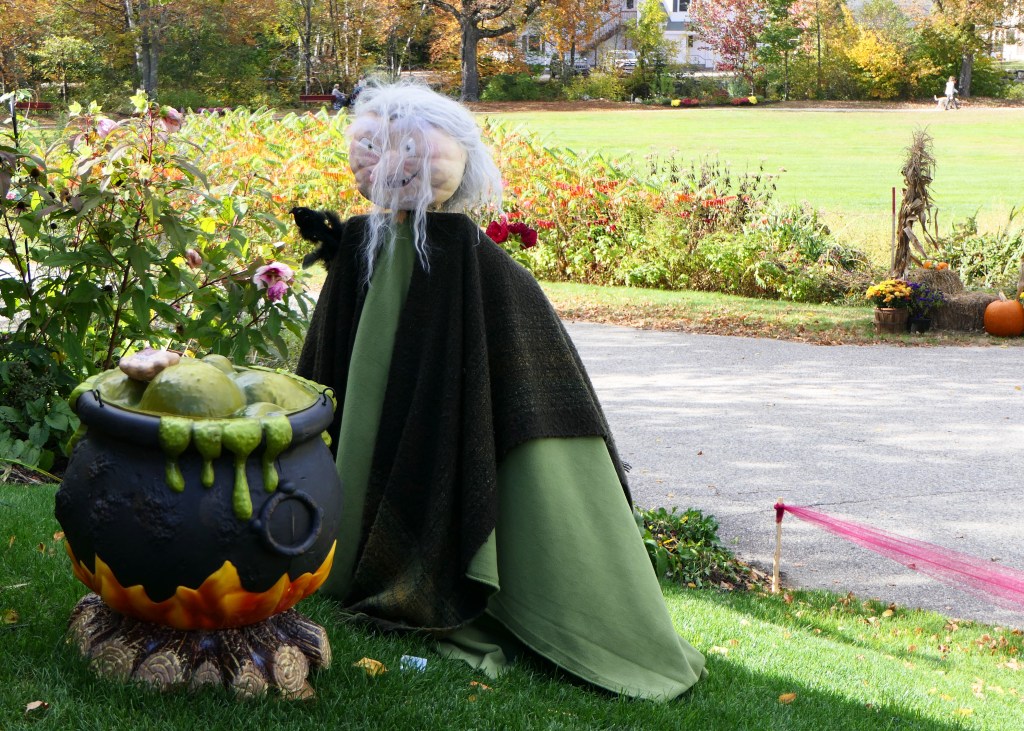
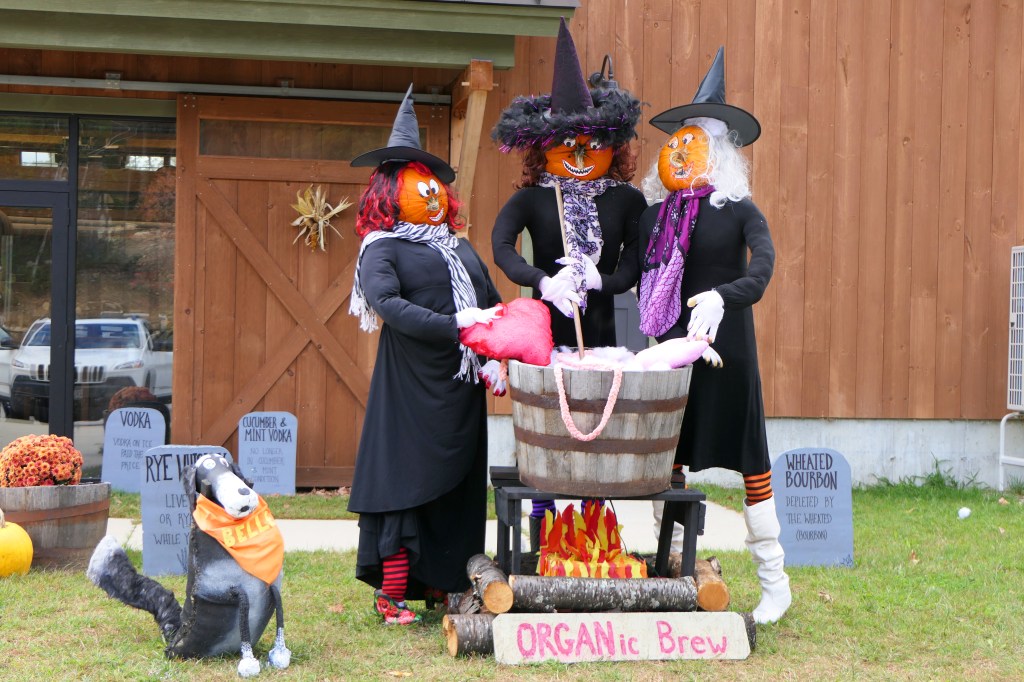
Montreal and Quebec were a lot of fun, and getting to Maine and then NH and the return of the Pumpkin People was like a warm hug. We were home.

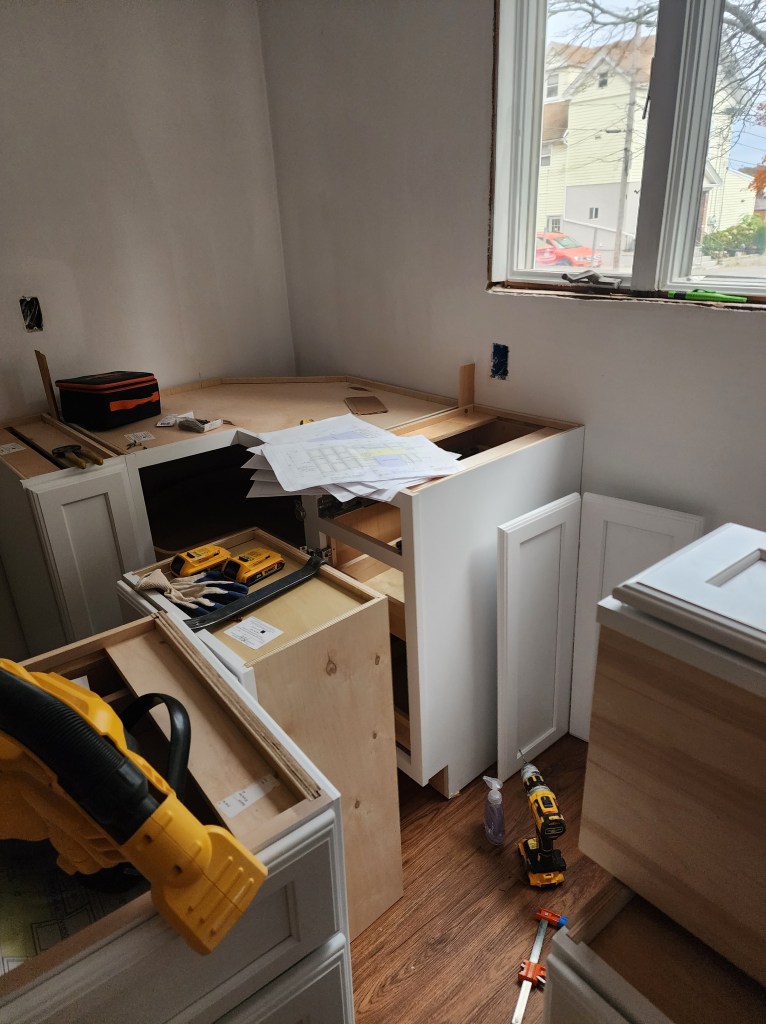
But we aren’t in the house yet. We did a stint in the RV at a local campground punctuated with my ankle surgery ending in a non-weight bearing cast, and a rental. We will finally be in the house next week! The Beast is now (almost) put to bed until the trip to the Florida Keys in March.

Next posts will be from our upcoming trip to Lima, Peru – Easter Island – French Polynesia – and New Zealand in January-February. It will be only 2 for the road though, Beau can’t come 😦

Stay tuned!

Yellowstone Magic

My apologies in taking so long to post this. The problem was that I took way too many pictures and it has taken forever to get through them.

We traveled from Glacier NP through Montana first to West Yellowstone, and then into the park for a few days.

The drive highlighted the contrast between the Rocky Mountains and the Great Plains.

In West Yellowstone there is a very cool not-for-profit wildlife park that is home to a number of different animals from the area that are no longer able to survive in the wild, in particular grizzlies and wolves. Seventy years after being exterminated from the park and being listed as an endangered species, wolves were reintroduced in 1995 after much controversy, when biologists reached the conclusion that the elk population explosion was due primarily to their absence. Currently there are 10 wolf packs with at least 108 individuals.

One of the river otters.

The night before we entered the park we grabbed dinner at a local “saloon.” After a couple of drinks, Christian started talking to the locals.

Even in the rain there was a huge crowd entering the park.

Yellowstone was the world’s first national park, established in 1872 and is approximately 50 miles by 60 miles. The molten magma that lies a short distance below the caldera of the collapsed super volcano that has been erupting for 16 million years has created the world’s largest concentration of thermal features. The most recent eruption was 64,000 years ago, and USGS lists it as having a high threat potential to erupt again but no one can predict when that may be. The relatively small (compared to historic) eruption would be the most devastating natural catastrophe in human history. Yikes!

We went from Fishing Bridge (which is now fish watching bridge, no fishing is allowed because the introduction of lake trout has devastated the native cutthroat trout population) down by Yellowstone Lake and the Lake Yellowstone Hotel to the West Thumb Geyser Basin.

The hotel opened in 1891 and is designated a National Historic Landmark. There are beautiful views of the lake from it’s public spaces. We had a very nice dinner there.

The Yellowstone yellow “buses” brought tourists through the park beginning in the 1920s, with more than 400 of them operating at one time. A few of the restored buses are still in operation.

The special thing about West Thumb is the amazing proximity of the thermal features to the lake shore, and there are some within the lake itself. There are four types of thermal features in Yellowstone, geysers (like Old Faithful), mudpots, fumaroles, and hot springs. The last two are abundant at West Thumb.

This coyote was hunting small mammals in Hayden Valley, right by where one of the wolf dens is located. I got to watch him catch something, leaping into the air to pounce but the camera wasn’t quick enough…

Trumpeter swans (a species of concern) on the Yellowstone River in Hayden Valley.

The next day we went by Old Faithful.

Old Faithful Inn is also registered on the National Register. It was constructed beginning in 1902, and is still a majestic space. The first photo is from early in the 1900’s, the second is one I took.

credit – NPS

We continued up to Norris Basin, where there are lots of very stinky mudpots and thermal features draining to the Firehole River.

There is a small road that detours to Firehole Falls and an osprey nest.

We returned again through Hayden Valley with the late afternoon light.

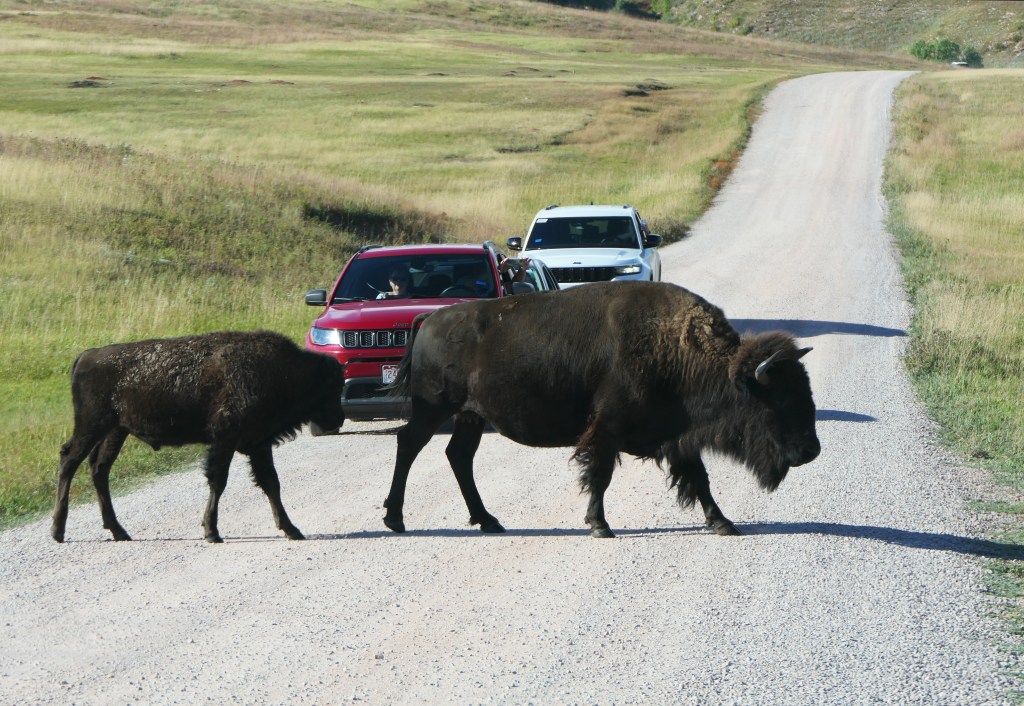
I was surprised that we didn’t see the herds of bison here in the valley that I have in the past, just a single or couple of individuals. When I asked a ranger she explained that the herds had moved up to the Lamar Valley after the huge flood in June 2022 because of changes in food availability (see below).

Our last day in the park we headed to the Grand Canyon of the Yellowstone. We passed a juvenile osprey taking flight.

Next were the towers near Tower Falls along the Yellowstone River. They are remnants of volcanic lava flows.

From there we headed up in search of the bison herd in Lamar Valley. On the way we passed one of the spots where the flood in June of 2022 took out the park road. Within a day of the flood there was a $10 M appropriation committed for repairs to roads and infrastructure, and within a month services were restored enough for park employees to gain access to their homes and offices at Mammoth, however the Mammoth Hotel still has not reopened.

Found the bison herd in Lamar Valley!

Last was Mammoth Hot Springs (a series of hot springs and travertine terraces) and Fort Yellowstone, which was home to the Army when it ran the park from 1886 to 1916 and is now the park headquarters.

This picture in the visitors center of a mountain of bison skulls struck a cord with me. The bison were slaughtered to control the Native American people, because without the bison, their way of life and culture were forever altered.

Next post – Cody Wyoming, the rodeo, and the Black Hills of South Dakota.

Back in the USA – Glacier NP, MT

Glacier is another beautiful place, located less than 100 miles by road south of Waterton Lakes NP in Canada. It is adjacent to Waterton, and together they are designated as an International Peace Park. There was still a smoky haze from the British Columbia fires when we drove down and into Glacier.

The road down followed the edge between the plains and mountains.

Crossing the US/Canadian border.

The park gets its name not because of the views of glaciers that you see, but from the glacial forces that formed the landscape in the park. Around 1850 there were an estimated 80 glaciers in the park, now there are 26 that are shrinking.

You need a reservation to drive the famous “Going to the Sun” Road, but when I tried to make one the day reservations opened, they were already sold out. So I booked a trip on Lake McDonald, which came with a driving pass 🙂 The road is amazing, going high into the mountains to the peak elevation of  6,646 feet (2,026 m) at Logan Pass.

Building the road was an engineering feat. There was a great debate on the route the road should take, with the first national park engineer Goodwin proposing a route with 15 switchbacks, while Vint the park landscape architect proposed another route with only one switchback which would be more difficult and expensive to construct but with better vistas. Park Superintendent Mather ruled in favor of Vint after riding off from the argument on his horse. After close to 30 years and $2,000,000 later, the road was opened in 1932 to automobiles, with only one switchback.

Beau loved the scenery too and had a fan club every time we stopped!

There were some wonderful views from Lake McDonald.

The drive back to the east side of the park was equally beautiful.

Next, a hard turn to the east and Yellowstone, WY.

Banff, mey. Waterton, gorgeous!

We left Jasper National Park in the Canadian Rockies and drove the entire length of the Columbia Icefields Parkway to Banff, and then on to Waterton Lakes National Park (which is designated as an international Peace Park as it is contiguous with Glacier National Park in Montana).

It was a rainy drive unfortunately.

For us, Banff was a bit of a disappointment. It was wall to wall people everywhere you went (especially just north at Lake Louise), reservations for the shuttle are required to travel almost anywhere (luckily I had made them previously as it was sold out for the day), parking was a nightmare, and we also were dealing with smoke. That being said, we got to meet a very old internet friend and her husband for the first time in person, a highlight of our trip (but were too busy talking and eating, forgot to get a picture)!

We rode the Banff gondola up to the top of Sulphur Mountain (7486 ft/2281 m) for a really nice lunch (had to make the reservation a month ahead of time).

The views were beautiful.

This view of Lake Louise (which is north of Banff) was difficult to capture with the crush of people. The Fairmont Chateau Hotel there attracts a lot of the folks. It is the subject of what probably are the most recognized photos of the lake, but I didn’t have the patience to try to capture it. This photo is from the hotel website. The shot that follows it was what I was able to get.

credit – Fairmont Hotels

We also took the shuttle to Lake Moraine, which thankfully was a bit less crowded.

One very cool thing is that Parks Canada built these wildlife overpasses over the highway between Banff and Lake Louise so animals could resume their normal migration and home range patterns. Studies have shown that they work, and because of the high fences along the edge of the highway funneling to the overpasses, accidents between cars and wildlife have decreased substantially.

Less than 100 miles to the south of Banff lies Waterton Lakes National Park. The drive there was really interesting as the road went out into the plains, then back in to the Rockies. The smoke from the wildfires was still present.

The vibe there is about as different from Banff as it can get, it’s really relaxed with lots of wildlife to be seen, including right at the campsite.

There is some beautiful scenery in the park, and an incredible diversity of habitats given that it is at the junction of two very different ecosystems. We had pulled over at a turnout so that I could get out to take this picture.

Then, this black bear decided he wanted to be in the shot. Don’t worry, I have a zoom lens and we’ve been carrying bear spray 🙂

There was a huge fire in the park in 2017, like most of the parks now that managers realize that wildfires are critical to the ecosystem health and let them burn except when they threaten infrastructure. When we got to this part of the park, the winds were such that we didn’t have the all pervasive smoke from the ongoing fires which was a treat.

Next, back in the US!

A Boatload of Elk and Other Critters

The Canadian Rockies are just gorgeous! We traveled down from Alaska through British Columbia into the Rockies with our first stop in Jasper National Park in Alberta.

As has been the case, some days were very smoky and occasionally there was a blue-sky day when the winds were right.

The campground is in a great spot and home to a lot of grazing elk and crazy people wandering among them.

We started out our stay here with a foodie tour in downtown Jasper, it was tasty and lots of fun.

And yup, that’s poutine 🙂

One day we headed up to Maligne Lake.

On the way, by Medicine Lake (where there was an extensive fire in 2015 that burned over 12,000 acres and caused the evacuation of more than 1,00o people in Jasper) a small herd of mountain goats were searching for salt and other minerals in the dirt of the parking lot, a common occurrence because it is lacking in their lichen diet.

Further down the road this guy was lounging by one of the park buildings.

When we got to Maligne Lake, the boat trip up the lake allowed for some fantastic views, if a bit smoky in some directions.

The stone around the lake is primarily limestone which makes it look almost like snow.

On the way back to the dock, a moose was having an afternoon snack of aquatic plants by the shore.

Another day we traveled the Columbia Icefields Parkway which stretches between Jasper National Park and Lake Louise. There are numerous glaciers along the way.

The Athabasca Falls were beautiful.

On the way, this guy crossed in front of the car on the way for a swim. And no, it’s not the same one as in the picture above. Like the title says, a boatload of elk!

We took a trip up onto the Athabasca Glacier on one of only 30 ice buggies like these in the world. You can walk on the glacier and even drink glacier water 🙂 The incredible blue color of a glacier comes from the absorption of all of the light spectrum except for the blues, the same as glacially-fed lakes.

They inspect the glacier multiple times a day to mark off the safe areas to walk, but you can see the crevices outside of the boundaries, some of which are 100+ ft. deep.

At the end of our stay we had a wonderful dinner at Pyramid Lake Lodge located above the town of Jasper. The bison was exceptional, as was the view.

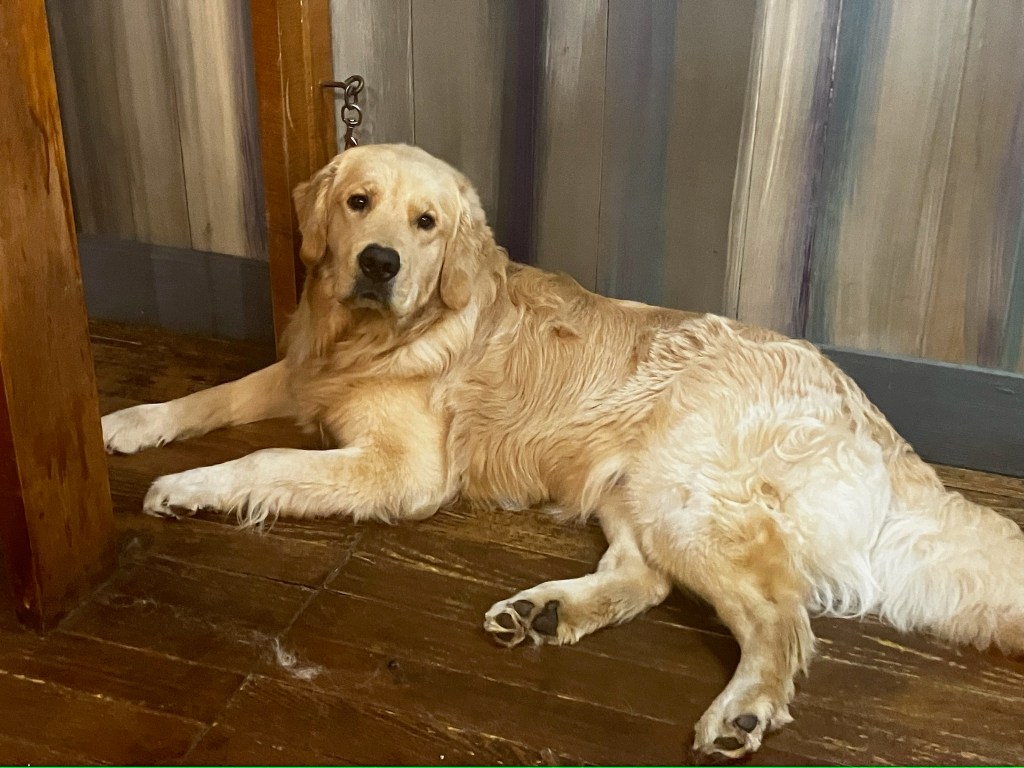
And lastly Beau, relaxing after a busy day of elk-watching 🙂

Funky town(s)

We headed further south to Stewart, British Columbia which is about 5 miles from the border with Alaska and the town of Hyder.

We were supposed to camp a night along the way, however all of the campgrounds were either closed or had been commandeered as housing for the road repair contractors. It ended up being an eight hour drive until we reached a Provincial Park at Mezidian Lake. It is a beautiful place and in the late afternoon, we snagged the last campsite with no hookups (it’s called boondocking).

The good news was the next day we had a short and beautiful trip back out towards the coast to Stewart and on the way we passed Bear Glacier.

Stewart is at the head of another very narrow fjord, the Portland Canal. Before the crash of 1929, the town had over 10,000 people, now it has ~500. In those days, the town boomed because of the ocean access and the gold and silver mines nearby.

Nearby Hyder calls itself the “friendliest ghost town in Alaska” and only has a population of a 100 or so folks now. The best place to eat is called the Bus that is run by a woman whose husband catches the halibut and shrimp that she fries up and sells for a few hours most days. She used to cook out of the bus, but now has a nice little shack. Popular place, and the food was truly delicious!

Other than her great food and the homemade fudge at a little gift shop nearby, one of the big draws now is the salmon stream, Fish Creek. On Fish Creek, the Tongass National Forest has a bear viewing platform, where the bear come in to feed on the spawning chum (also called dog) salmon that are easy pickings. They are called that because they are not all that great for us humans to eat. We didn’t see any bear (missed one by ~10 minutes), but the views of the unbelievable numbers of salmon spawning were really cool. All the little black marks in this picture are a salmon writhing their way up stream. Some people stay there all day, trying to catch a glimpse of the bears feeding.

They have a nice display showing the differences between grizzly and black bears, both feed in the stream.

Further down the road, the Premier gold and silver mine is being reopened after historically producing a large amount of ore in the early 1900’s. It is going to continue operation as a underground mine, and currently there are extensive efforts ongoing to improve the mining infrastructure including hydropower, surface water and tailings management. The project is projected to bring in almost 4 million tonnes of gold and silver.

Beyond the mine, the road continues to Salmon Glacier, a nail-biting drive with no guard rails and incredibly steep drop offs. I don’t have a lot of pictures from that drive 🙂

Next, heading further south to the Canadian Rockies.

Playing catchup

I am way behind in posts from the last couple of weeks because we hit some bumps in the road (both figuratively and in reality) so this one will cover a bit more ground than usual.

We left Denali to spend a week in Fairbanks and were very underwhelmed. It won’t be on our list for any return trips, although the Museum of the North at the University of Alaska was very interesting. We also swung by the North Pole, and the highlight was the post office 🙂

We trekked on south into the Yukon down the Alaskan “Highway” which had actually gotten worse than when we came north 2 months ago. We were bouncing so much that the frig locks failed and the doors opened and contents dumped all over the floor while we were driving, what a mess!

We were retracing our route that we took going north for the next few days, until we turned off back into Alaska to go to Haines. If you’ve ever gone on an Alaskan cruise, there is usually a stop either in Haines or across the fjord (they call them canals here) in Skagway, both are “around the corner” from Glacier Bay National Park. Haines was gorgeous and we would have stayed longer if there had been any openings beyond the week we reserved at our campground right on the fjord.

Here’s the views from our campsite. The cruise ships were only there for 2 days when we were so it is was a pretty sleepy town.

There is a salmon run at the head of the fjord that attracts lots of anglers and a fish weir that F&G uses to do the salmon counts. Bear scat is all over the road. We’ve seen bears, but too fast to get any pictures:(

We had the opportunity to do a great ATV trip up a mountain high above the fjord.

Next, on to Stewart/Hyder!