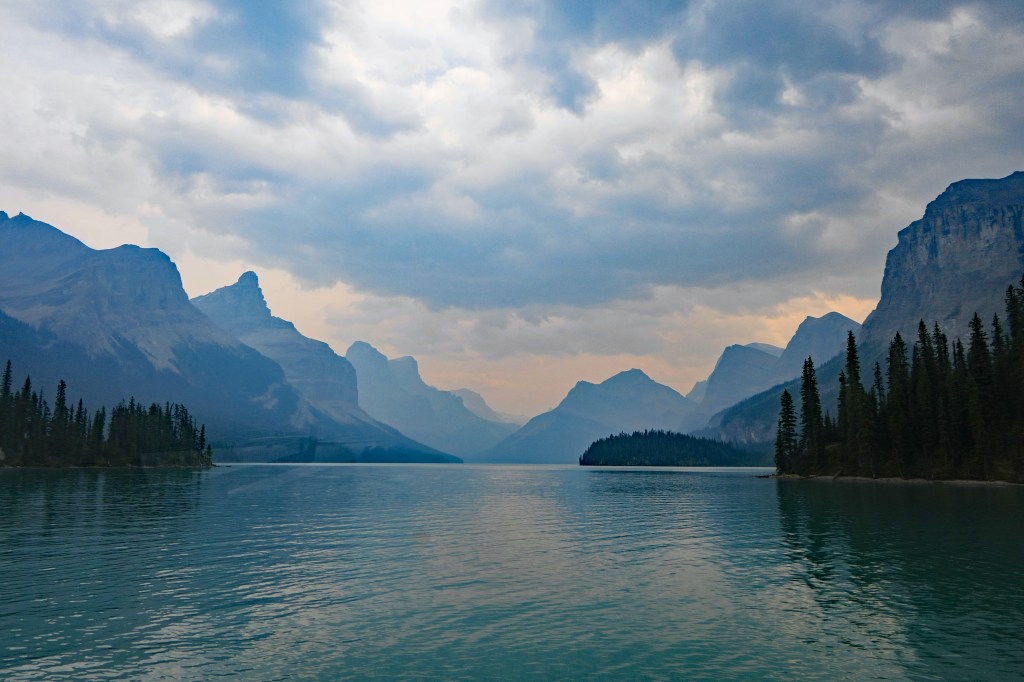
Denali – isn’t just a river in Egypt… or is that denial?

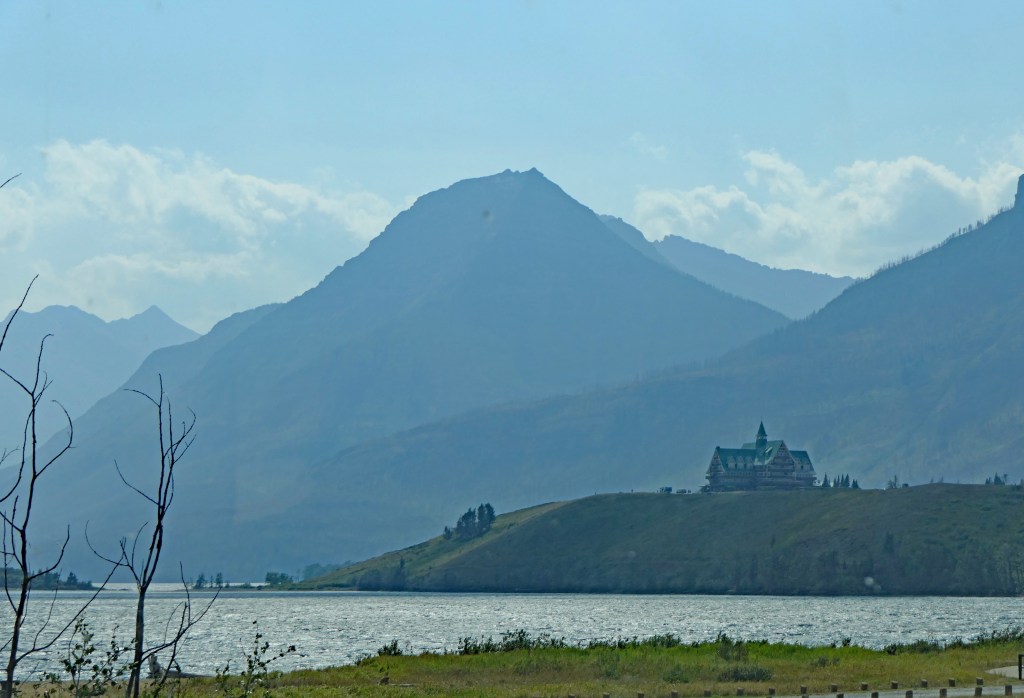
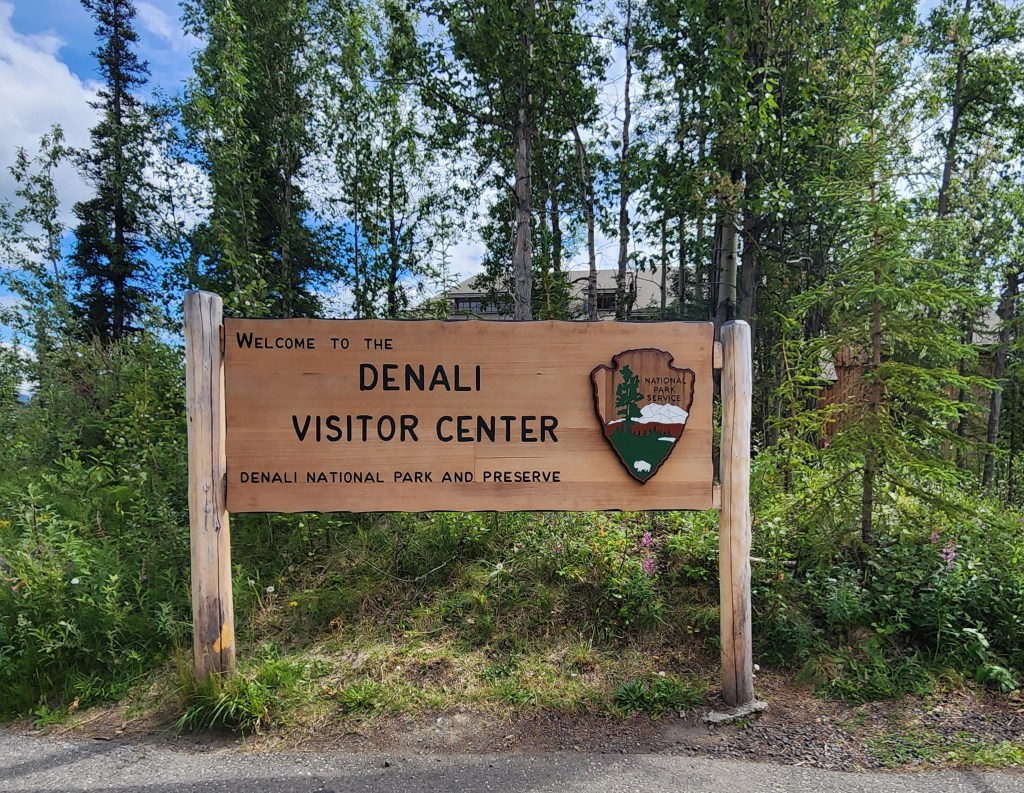
We headed up to Denali National Park for a few days. The Athabaskans called the mountain Denali, or “the high one” and it is the highest peak in North America at 20,310 feet and lies only 200 miles below the Arctic circle.

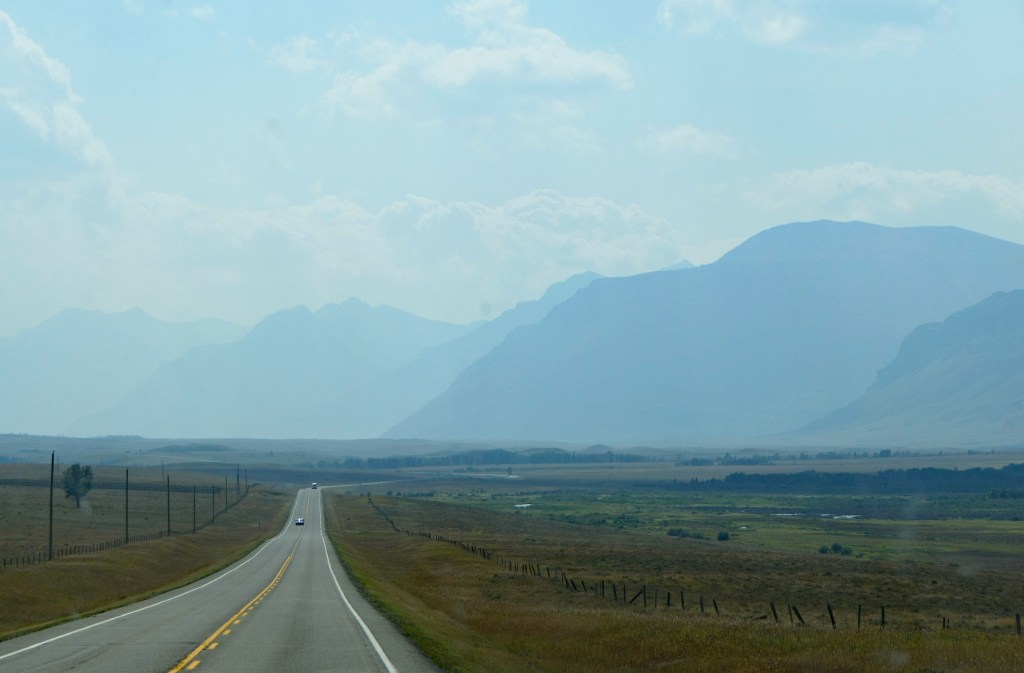
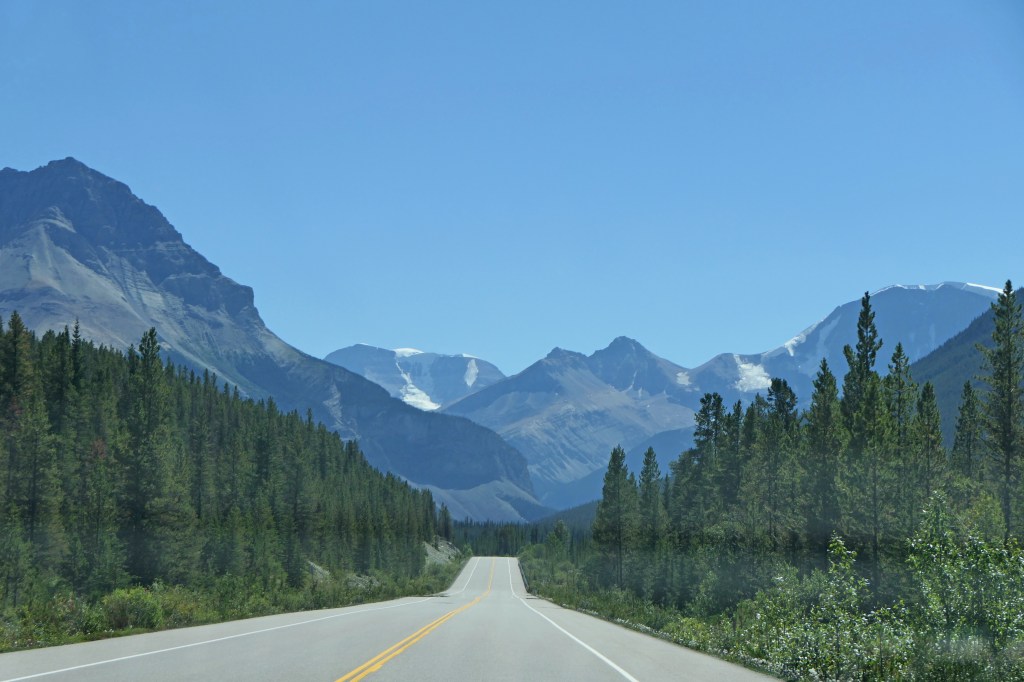
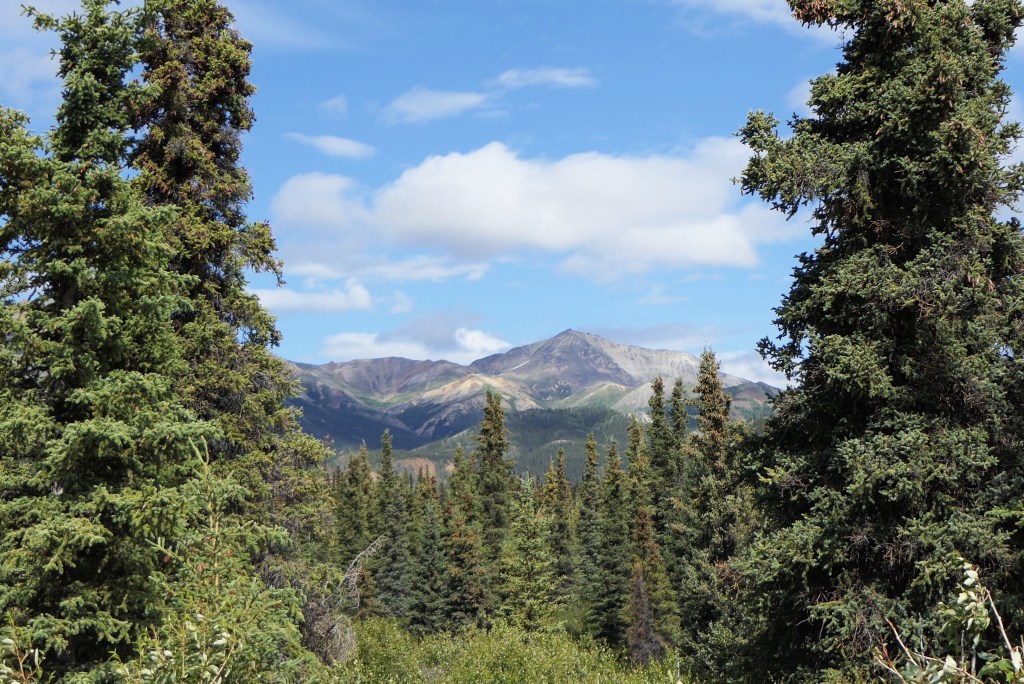
The drive from Talkeetna to Denali. Sunshine!

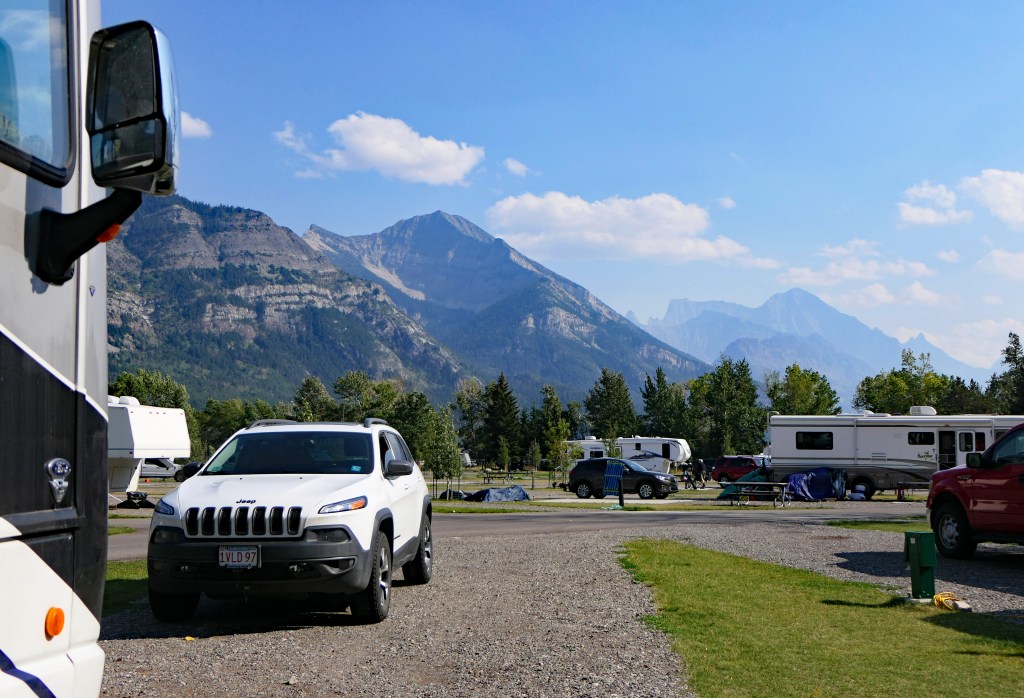
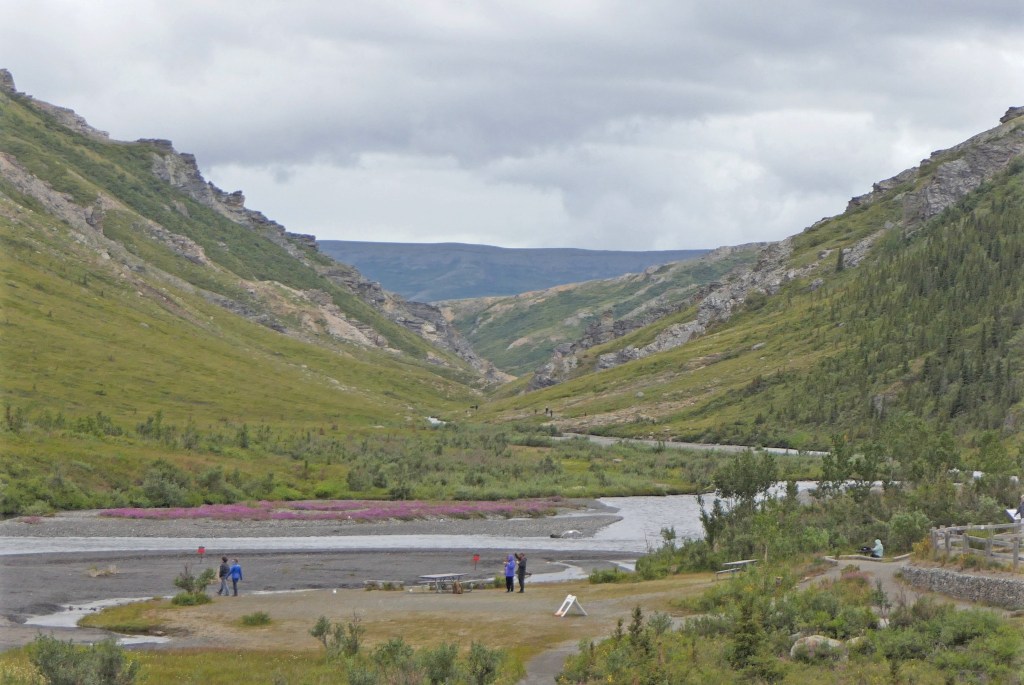
The park is 6,000,000 acres, yet has only one road that traveled the 92 miles to the small town of Kantishna which historically was a gold mining camp. Access beyond Mile 15 is restricted during the majority of the year to hikers, bikers, and park vehicles (including the concessioner). This is the “end of the road” for most people at the Savage River.

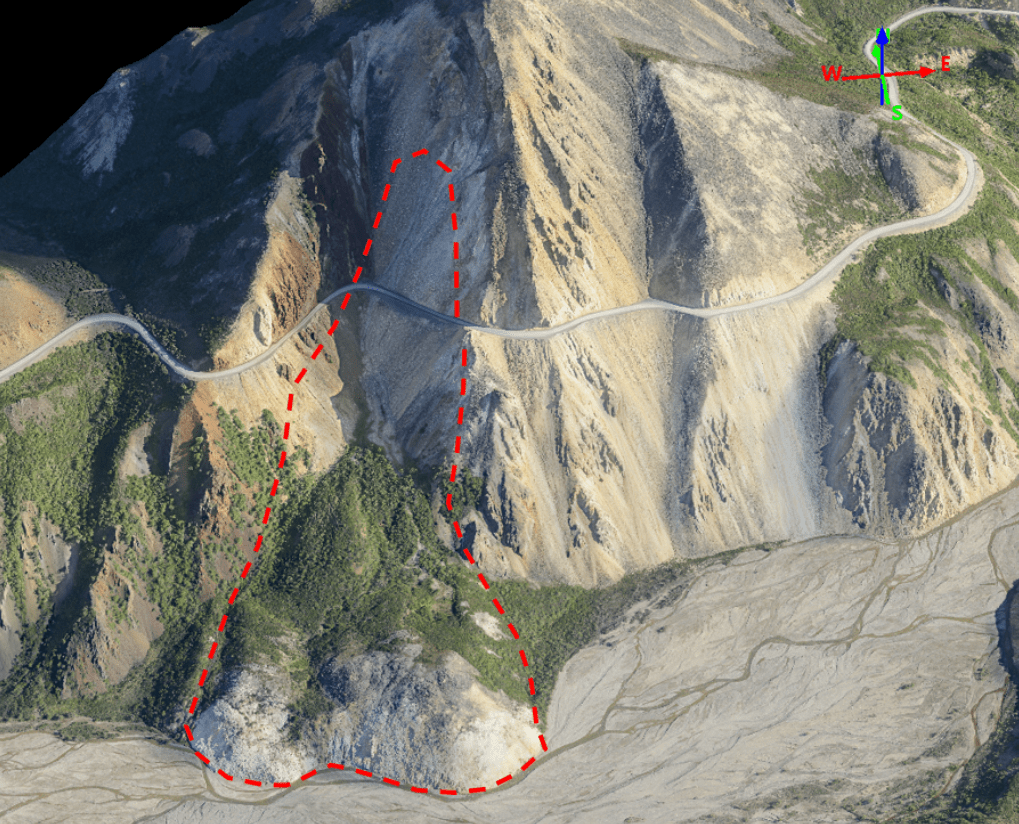
We took the “tundra wilderness bus” which is a narrated ride about 5 hrs long that goes as far now as Mile 43 where the Pretty Rocks landslide wiped out the road in 2021. The slide, which is technically called a rock glacier, was caused by warming temperatures thawing the permafrost. There is a really interesting discussion of the science behind this slide on the NPS page at https://www.nps.gov/dena/learn/nature/pretty-rocks.htm

credit – NPS

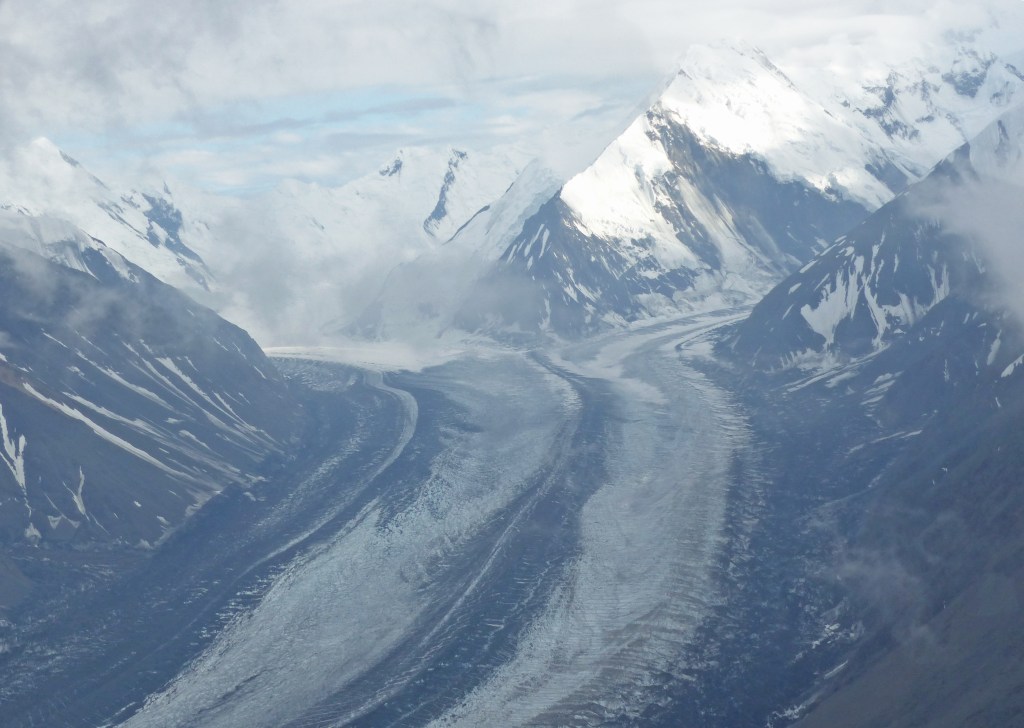
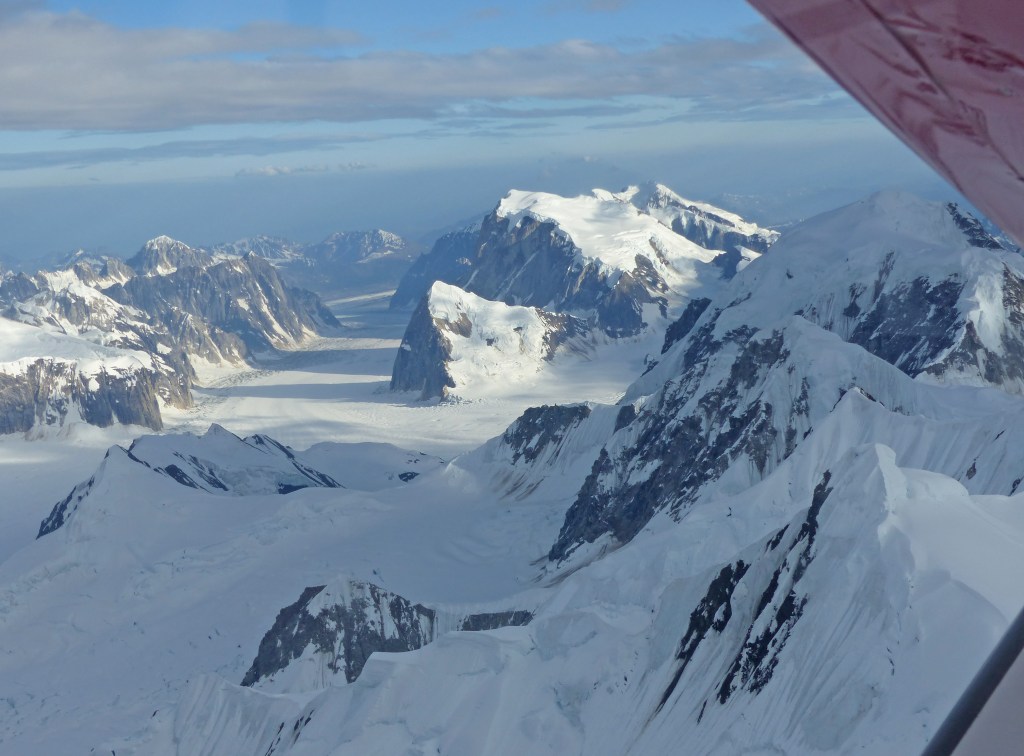
The NPD tried to repair the road but the subsurface remains too unstable, so the plan now is to build a large bridge to cross the area. When we were here four years ago, we traveled the entire 92 miles and stayed at the Denali Backcountry Lodge, a gorgeous and incredibly remote spot, and then flew back out over Denali and the surrounding mountains and glaciers.
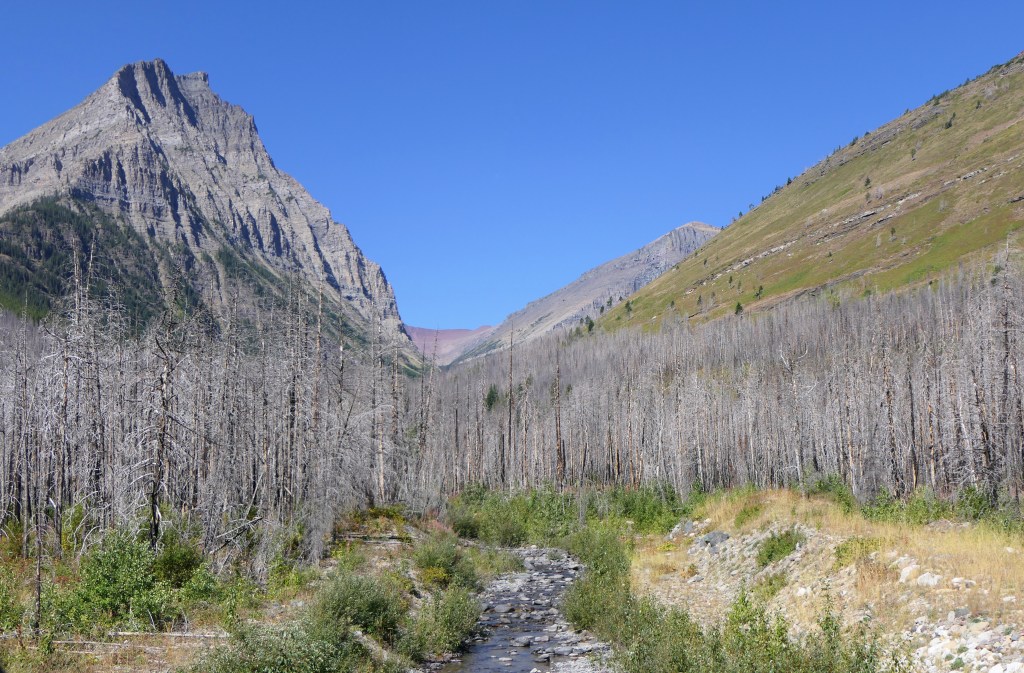
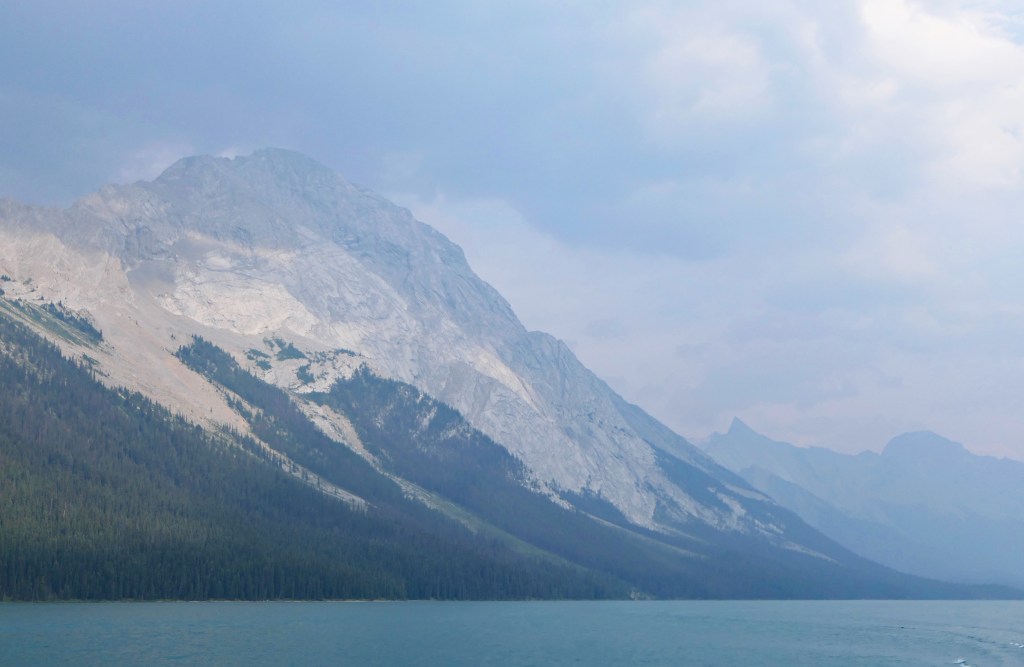
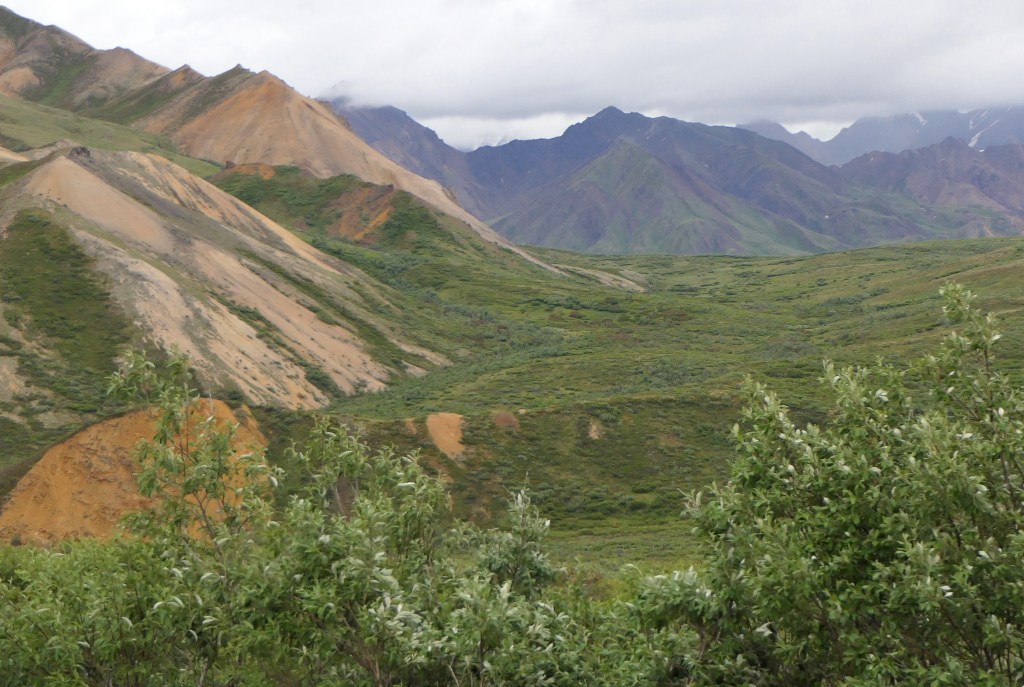
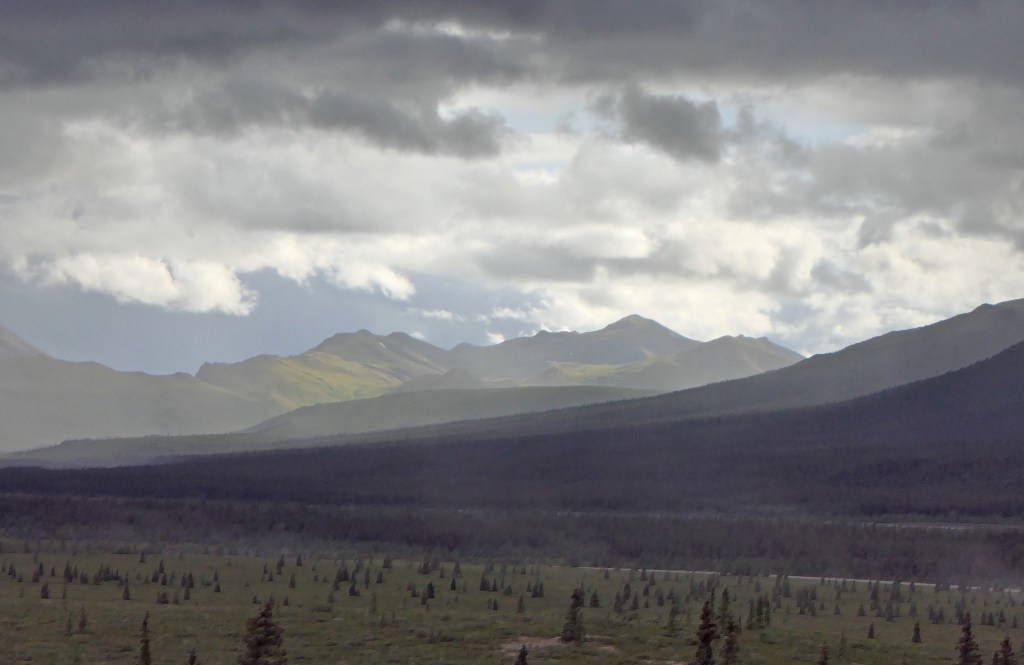
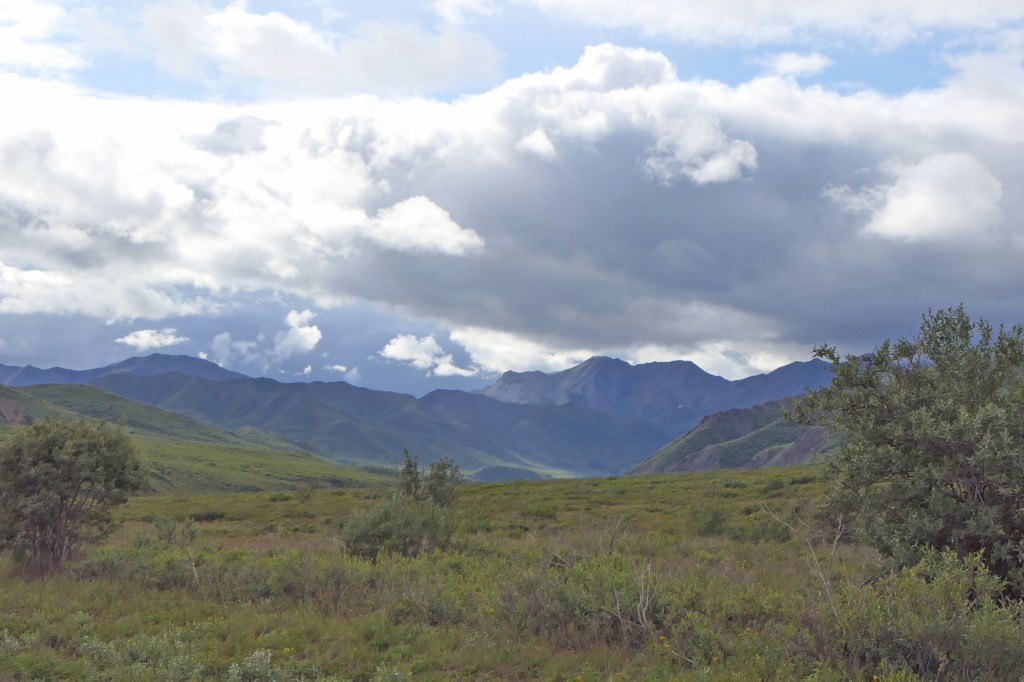
This time the bus trip had its limitations as we only stopped at the whim of the driver and what he could see. However there were some wonderful views along the ride, although the mountain remained shrouded in clouds for the entire time.

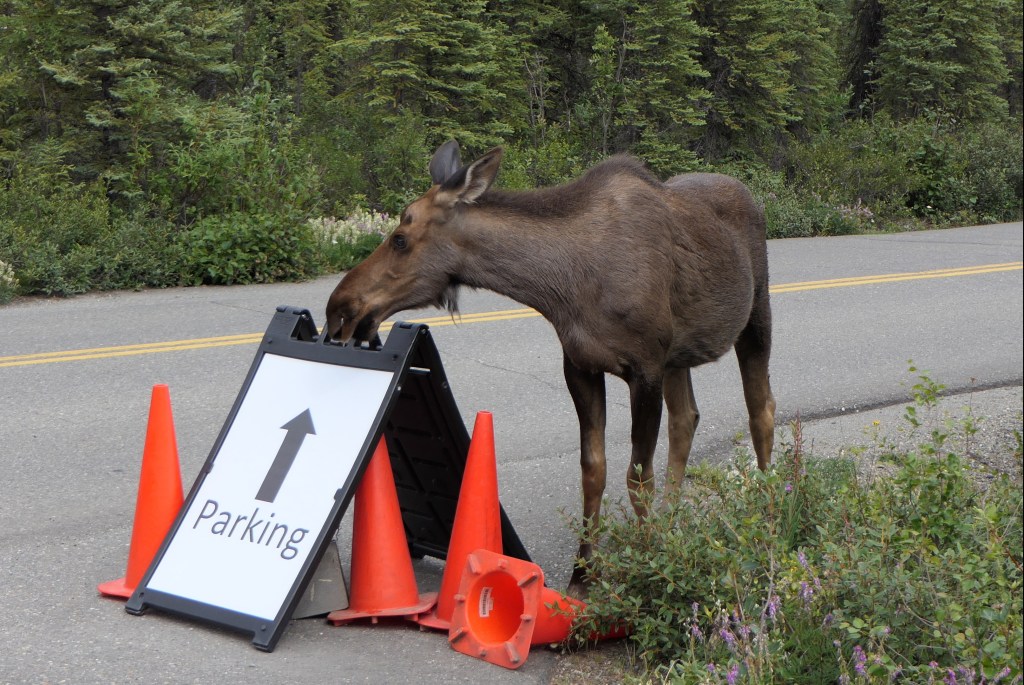
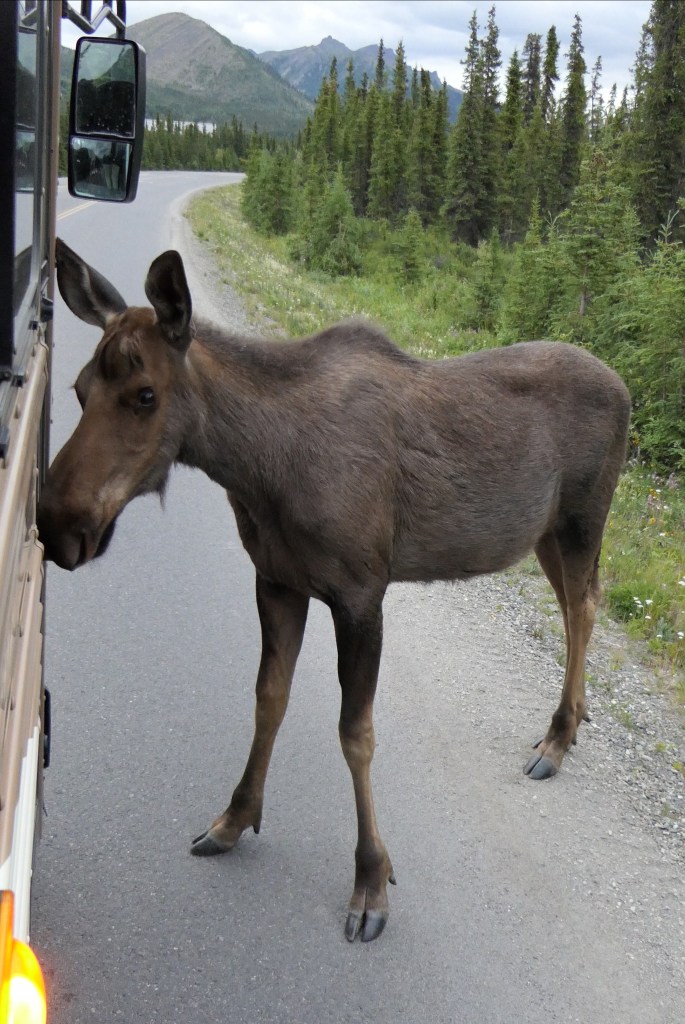
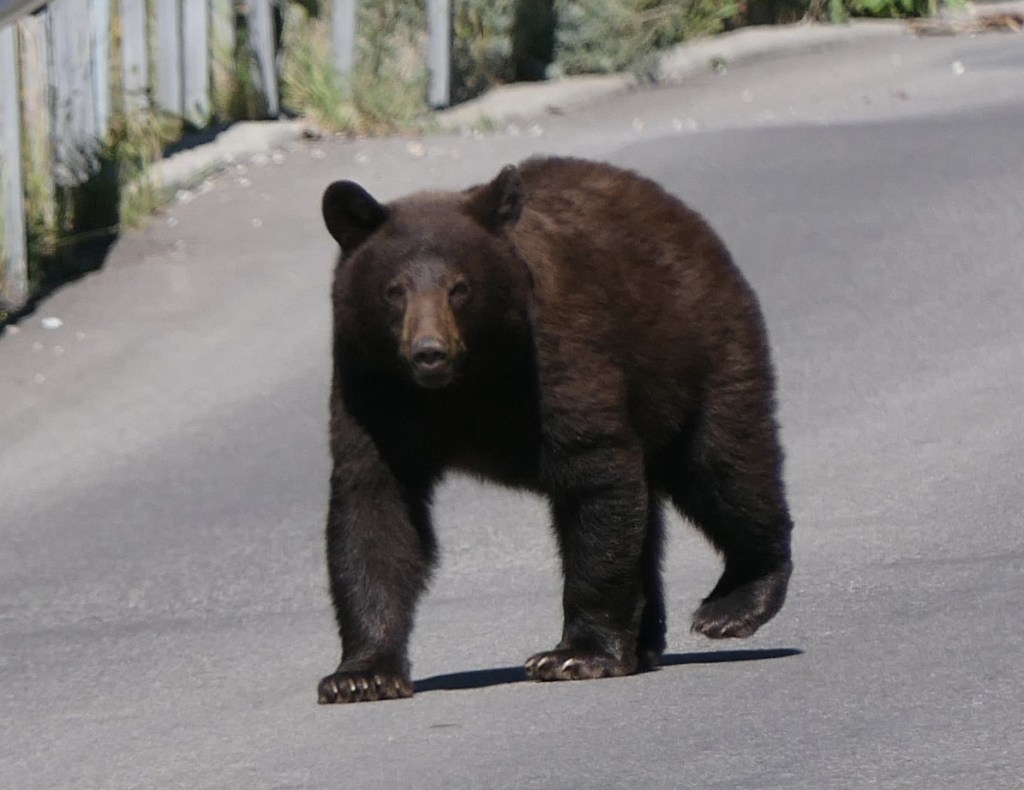
Right at the beginning of the ride, this little guy was fascinated by the sign. The bus had to wait until he got done scratching himself.

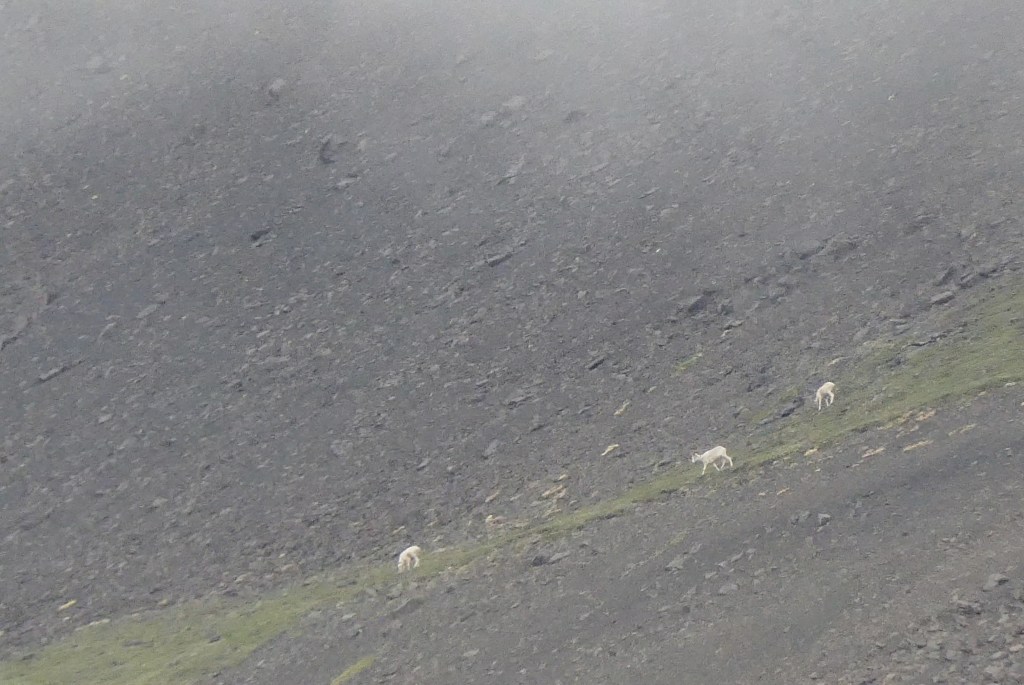
On the way we saw Dall Sheep high on the mountains.

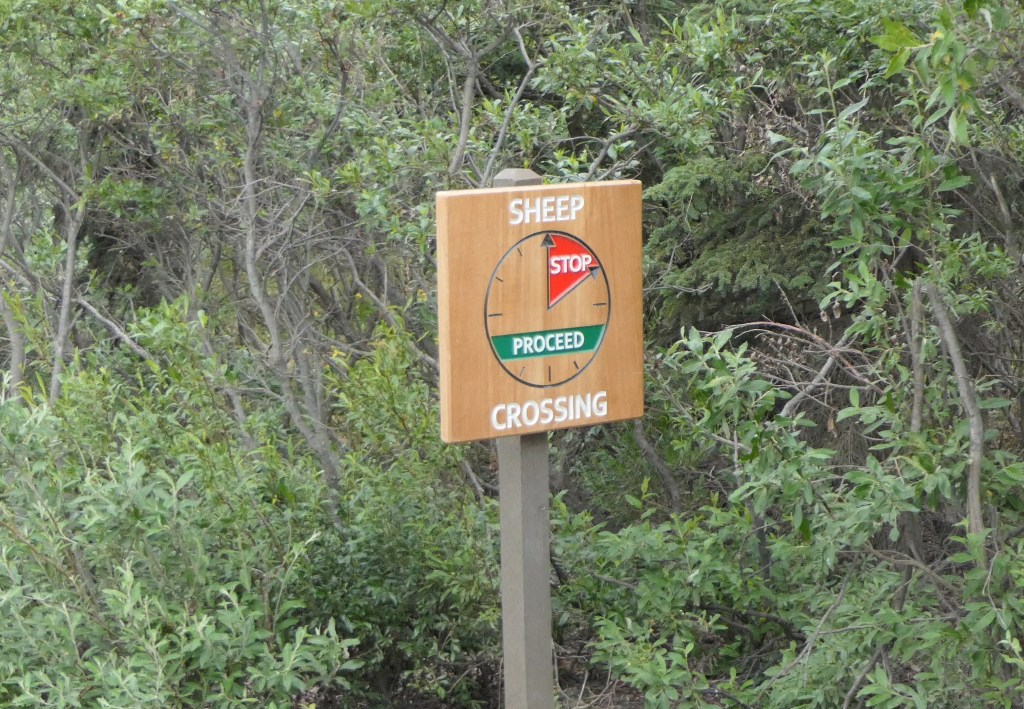
And the strangest sign ever, I don’t think the sheep have been issued watches! The buses have to stop for 10 minutes every hour before a supposed sheep crossing area, however no one has seen sheep crossing here, go figure.

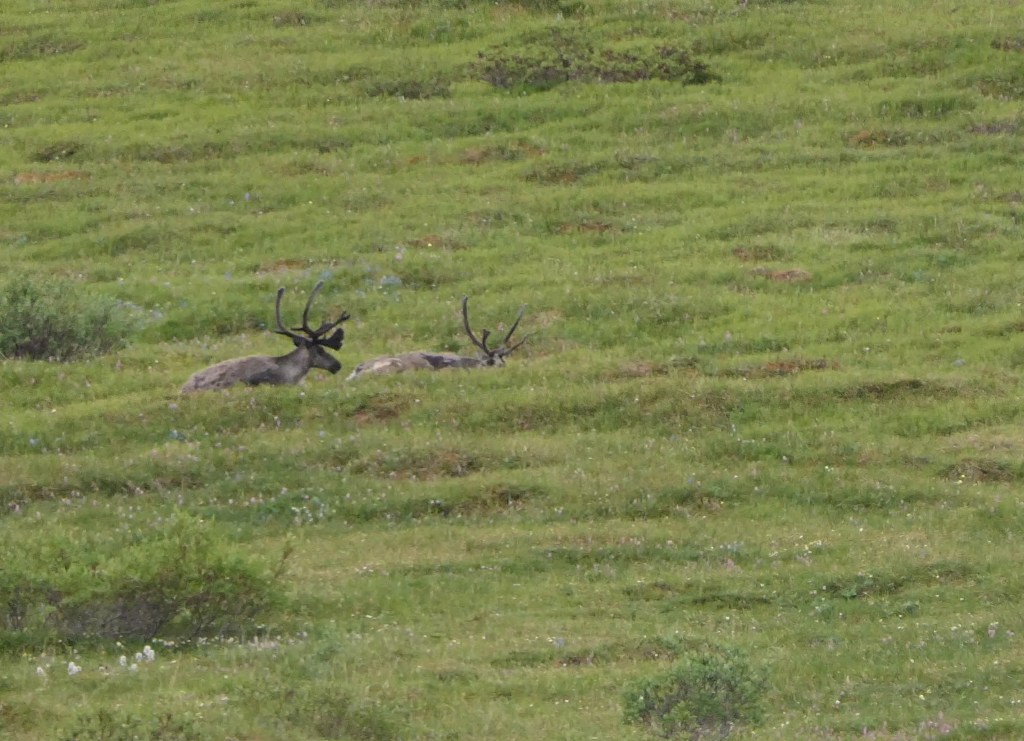
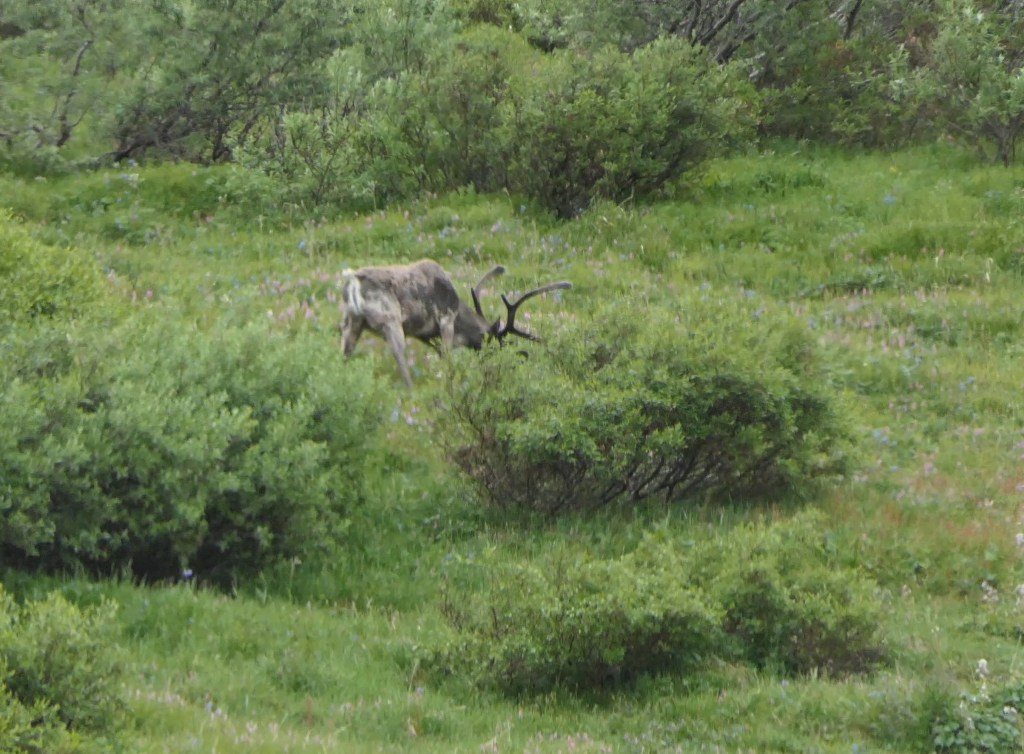
And some caribou …

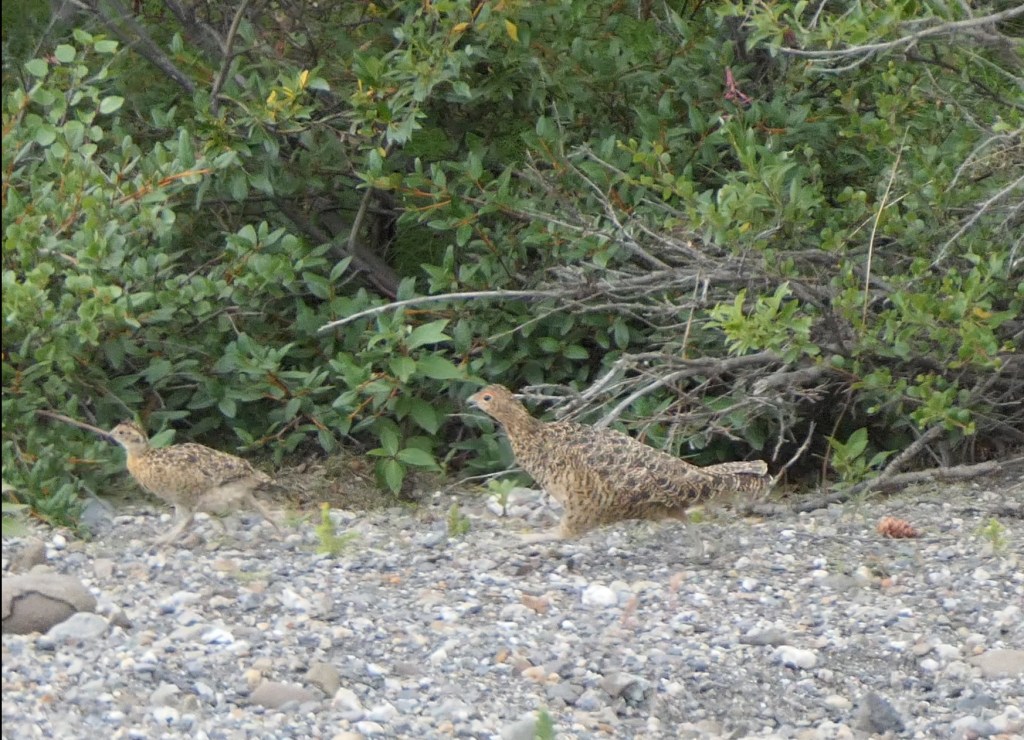
Ptarmigan family

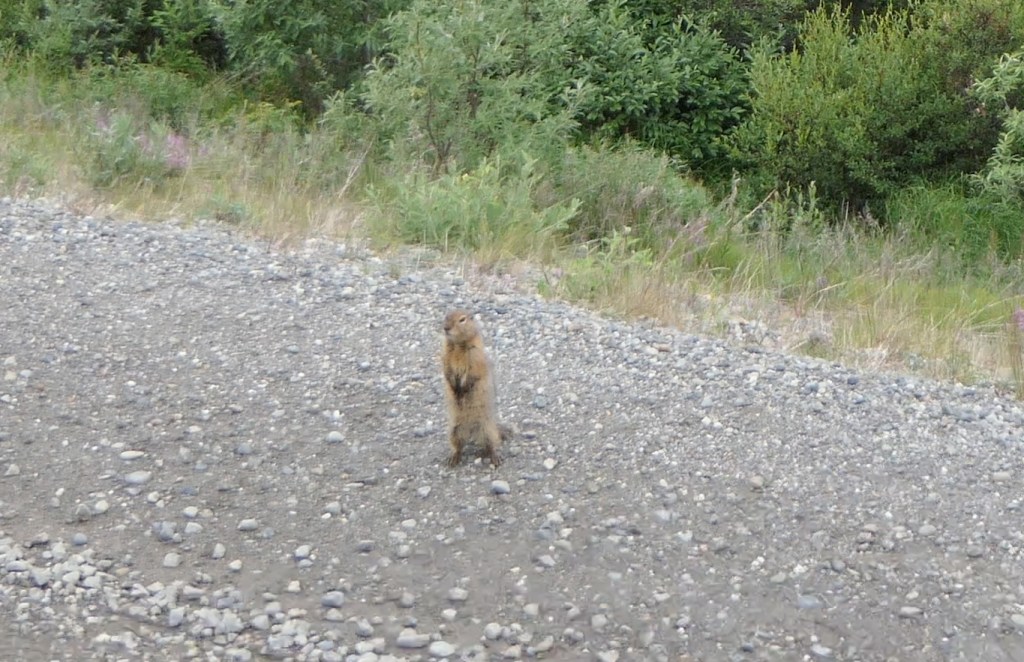
And lots of ground squirrels dashing across the road.

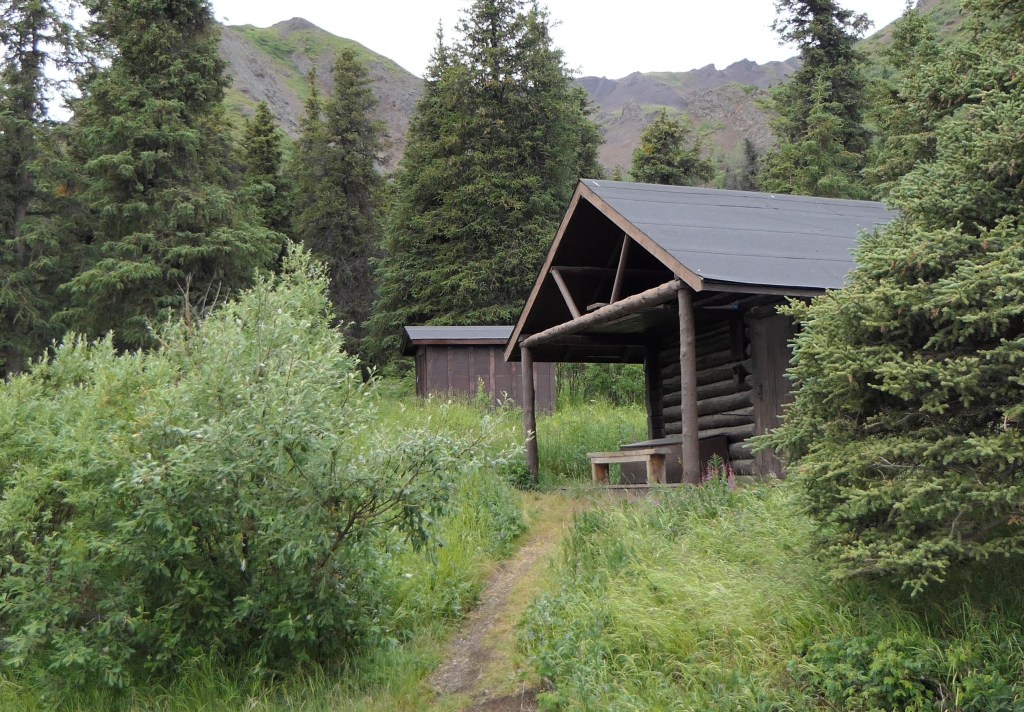
This National Park is the only park remaining that uses sled dogs regularly during the winter. There are a series of very old cabins which have been maintained to provide shelter during the winter patrols. They continue to breed the dogs, and in the summer you can tour the kennels but we didn’t have the opportunity.

And on our return to the bus depot 5 hours later, the little guy was still hanging around.

This time he wanted to lick the bus.

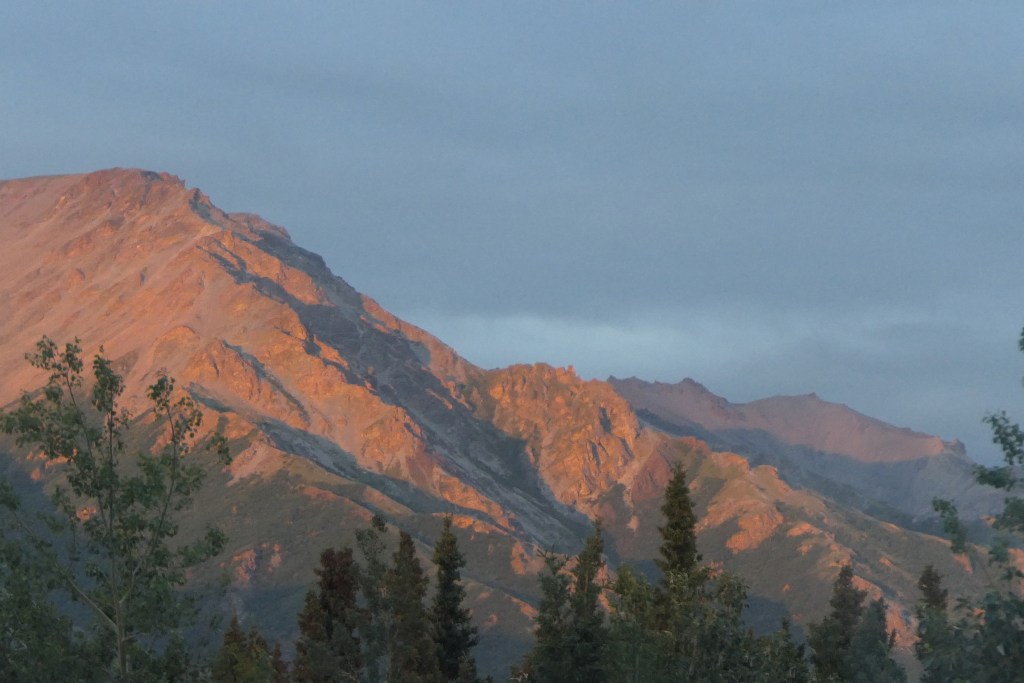
That night at the campground the lighting coming through the clouds at about midnight was beautiful. There was a chance to see the northern lights that night, but the clouds obscured them.

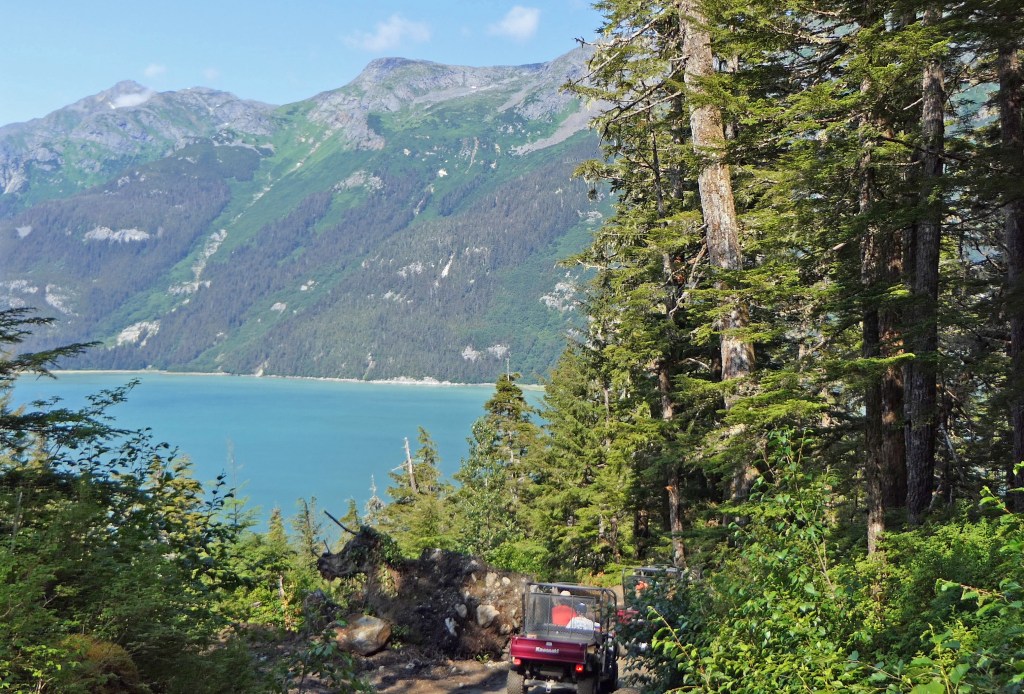
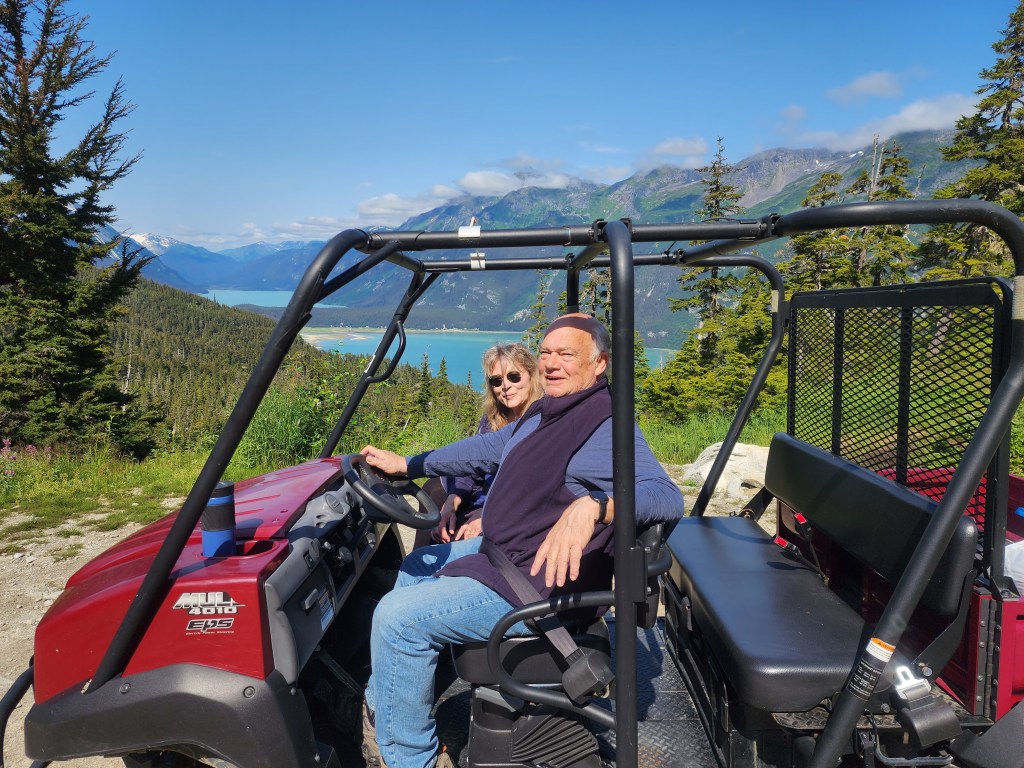
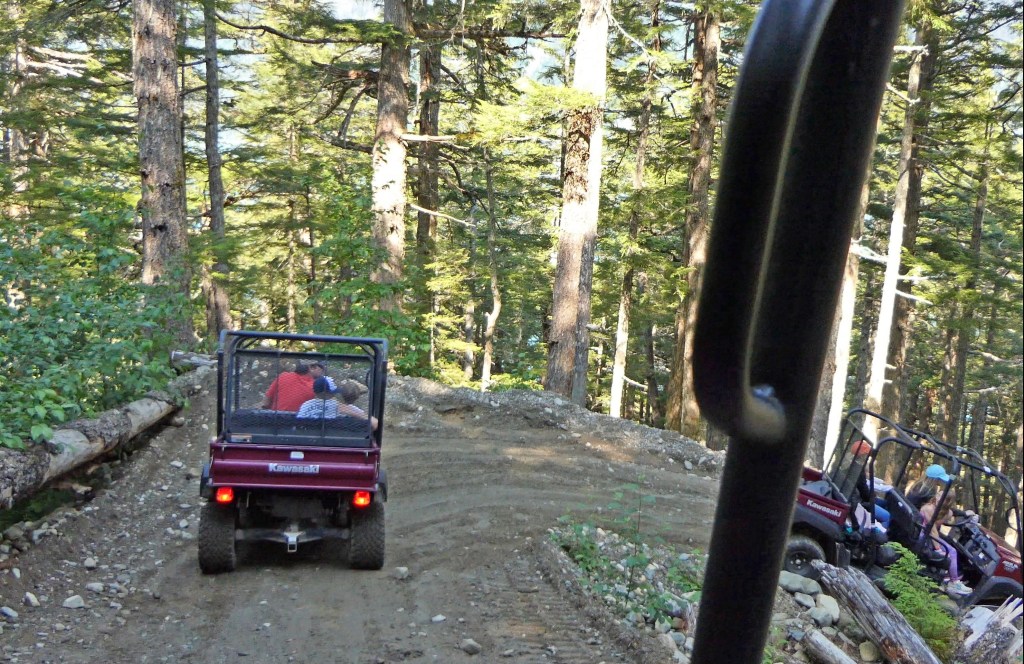
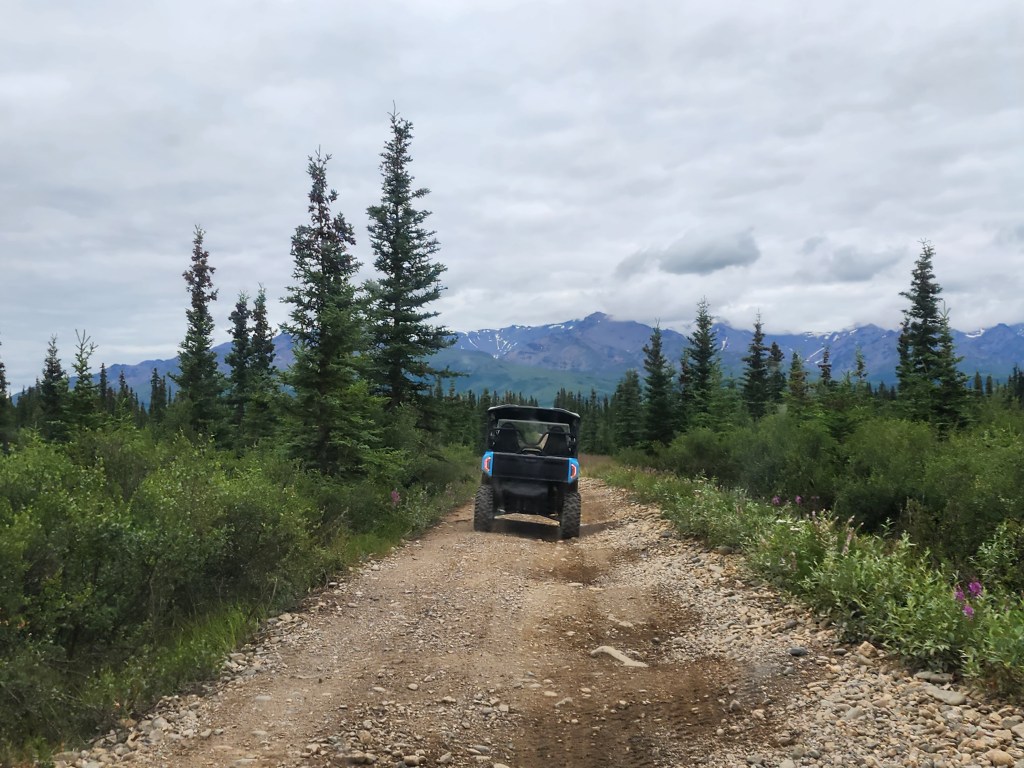
The next day we took an ATV ride that skirted the park boundary to the northeast.

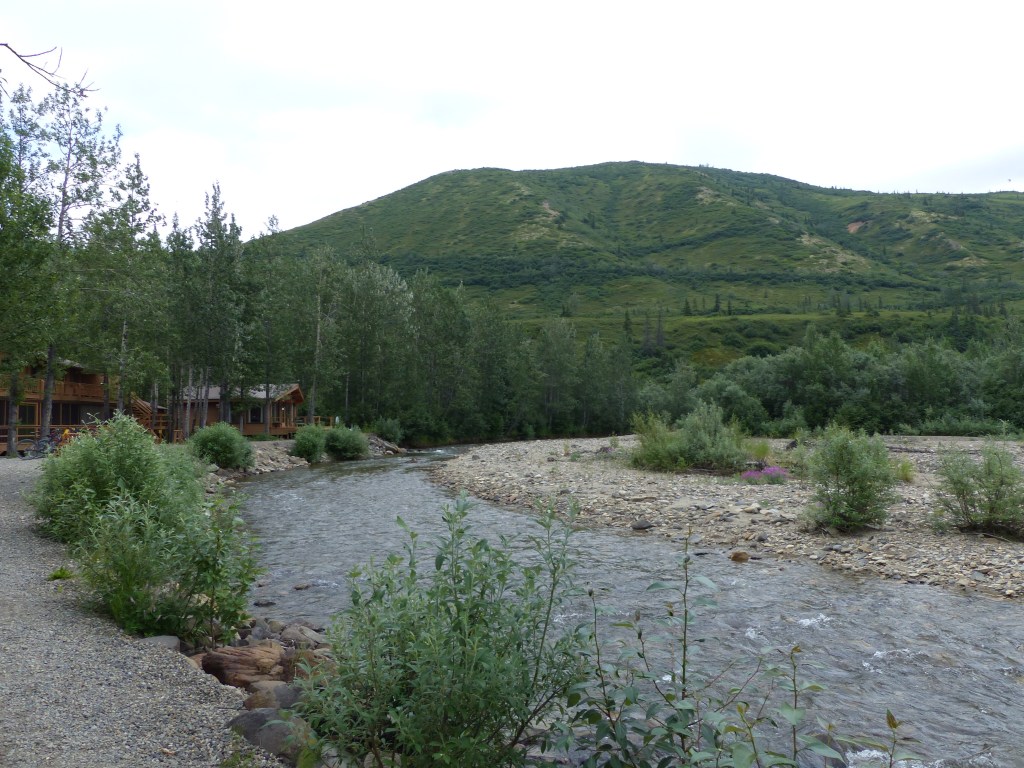
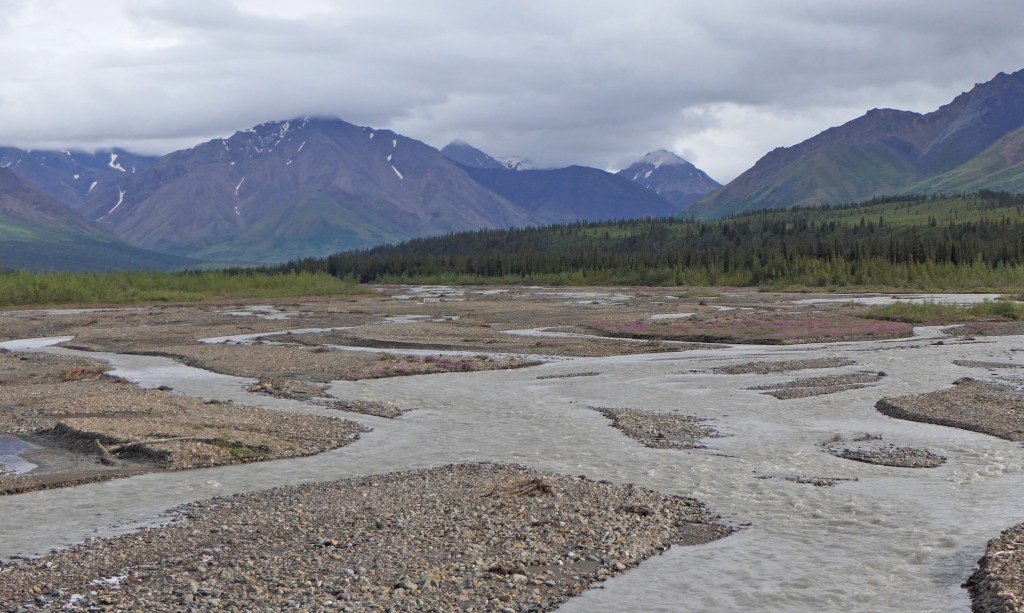
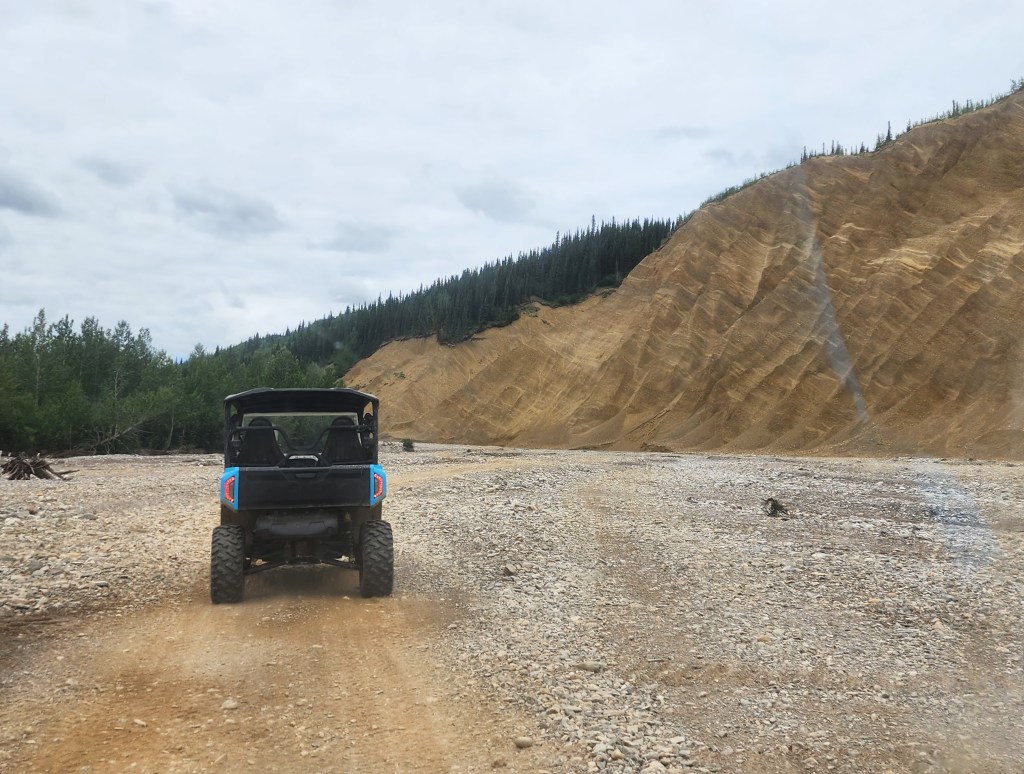
Another huge slide, it moved the river a couple of hundred yards to the left. The rocks along the river have a diverse set of minerals. I got a nice one that had jadeite running through quartz, but no gold 😦

The fireweed (state flower) is coming out everywhere, and the lupine has passed.

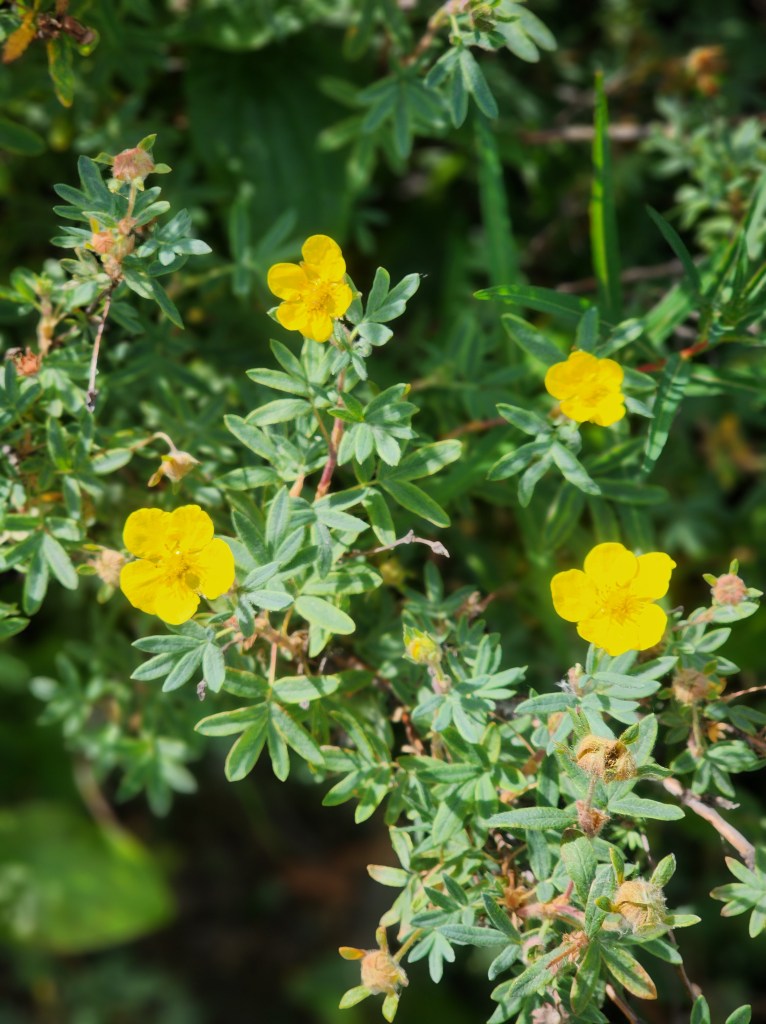
And the cinquefoil.

Headed North

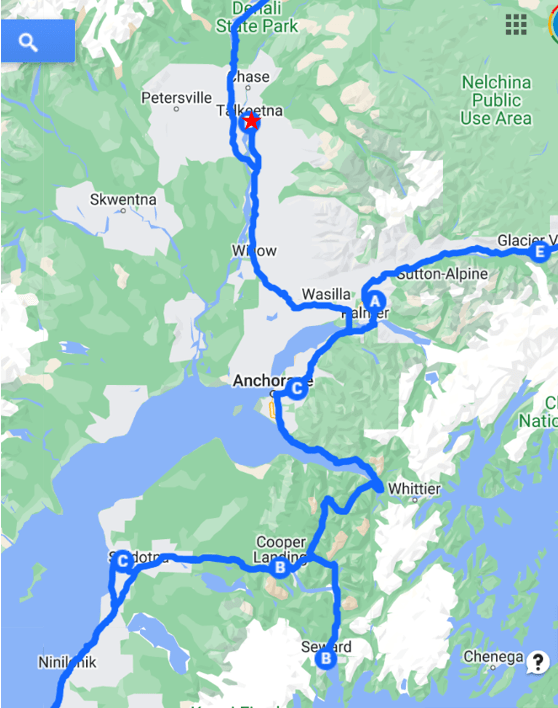
We left Seward to head inland and north, through Anchorage to the small cruise ship town of Talkeetna.
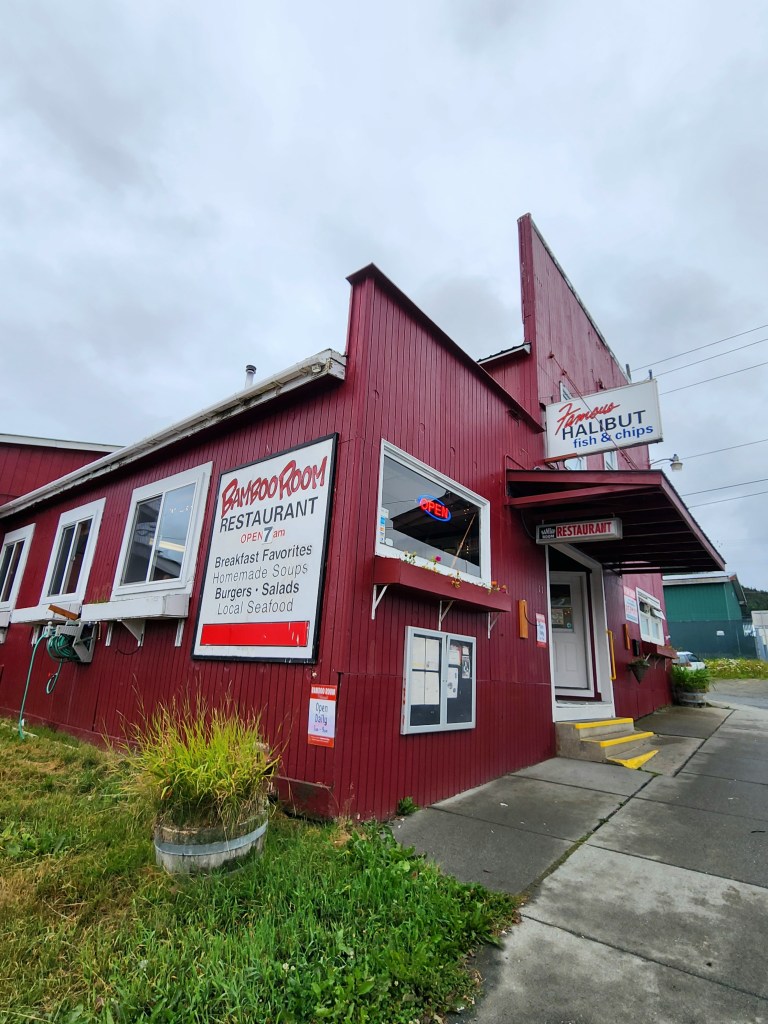
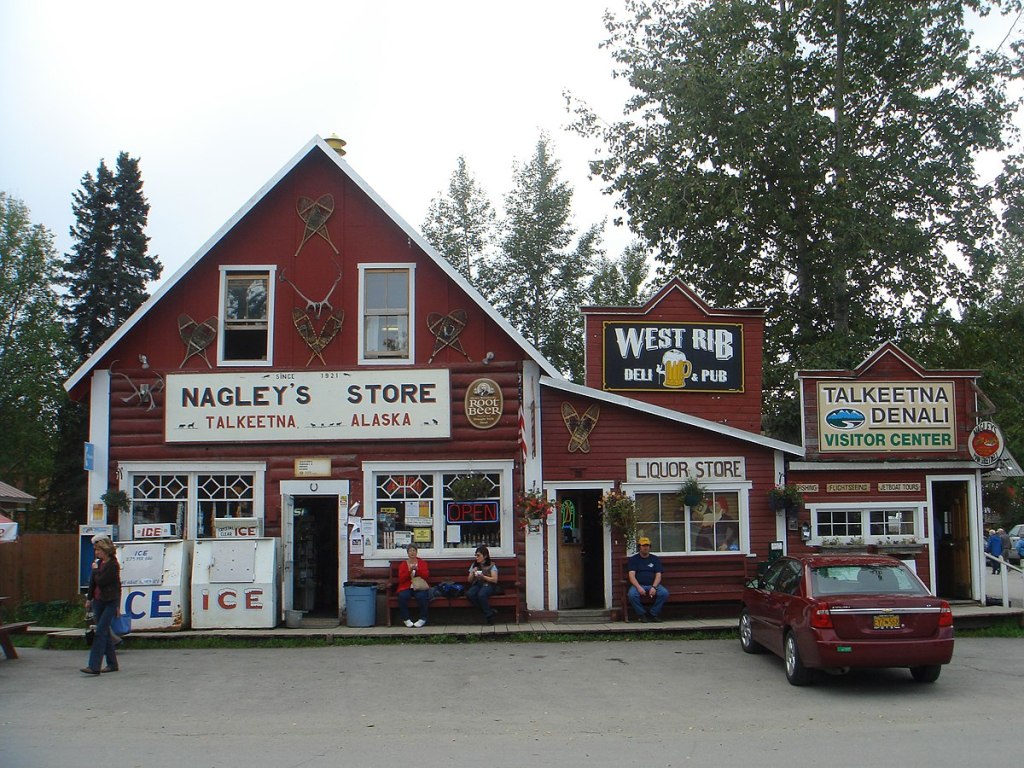
I call it a “cruise ship town” because the major cruise lines to Alaska (NCL, Princess) use it as a day excursion destination so on some days it is packed with tourists. The Alaska Railroad has a station here where the train to Denali from Seward and Anchorage comes through. There is also a “flagstop” train route, which runs for about 60 miles north of Talkeetna. On this route people can literally flag the train down and hop on and off. Hikers, campers, and folks homesteading along the route are the main users, and others ride it for the scenery. It runs year round.
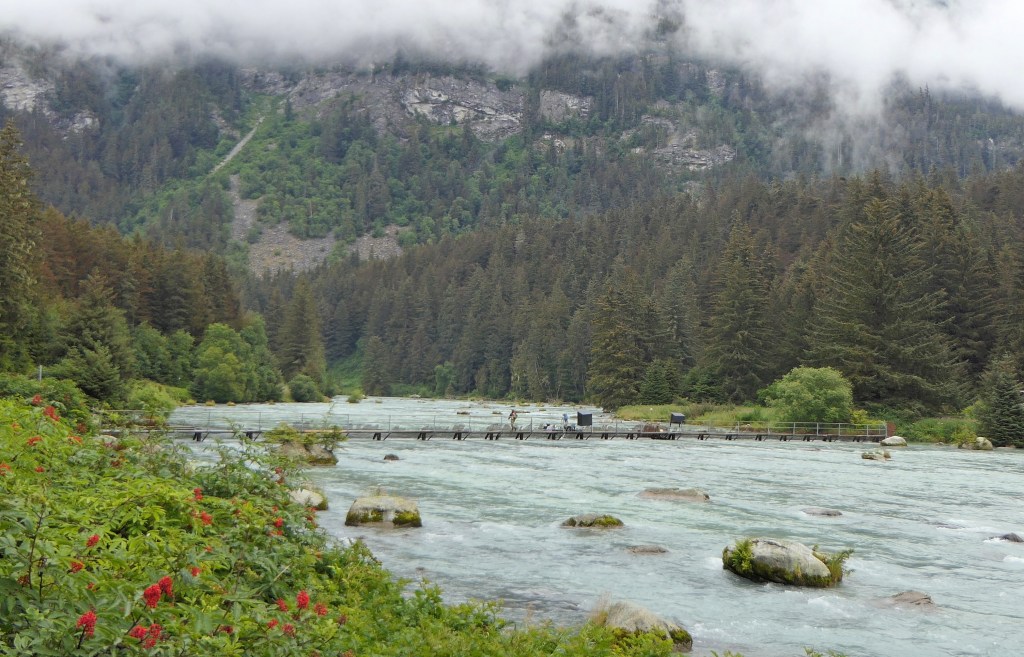
It’s a funky but appealing town. It is also the home base for the over 1,000 climbers seeking to summit Denali in a given year.

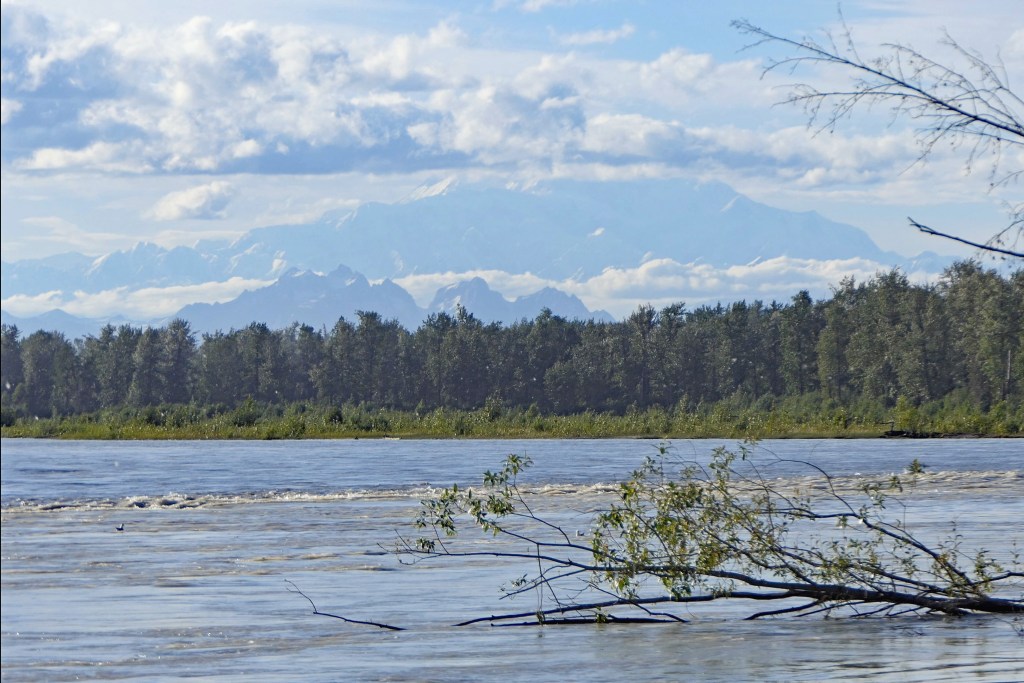
On the Susitna River in town there is a beautiful view of Denali – when the clouds aren’t covering it which is a lot of the time. The mountain makes it’s own weather. Trust me, the mountain is out there somewhere 🙂 (hint – see the last photo in this post).

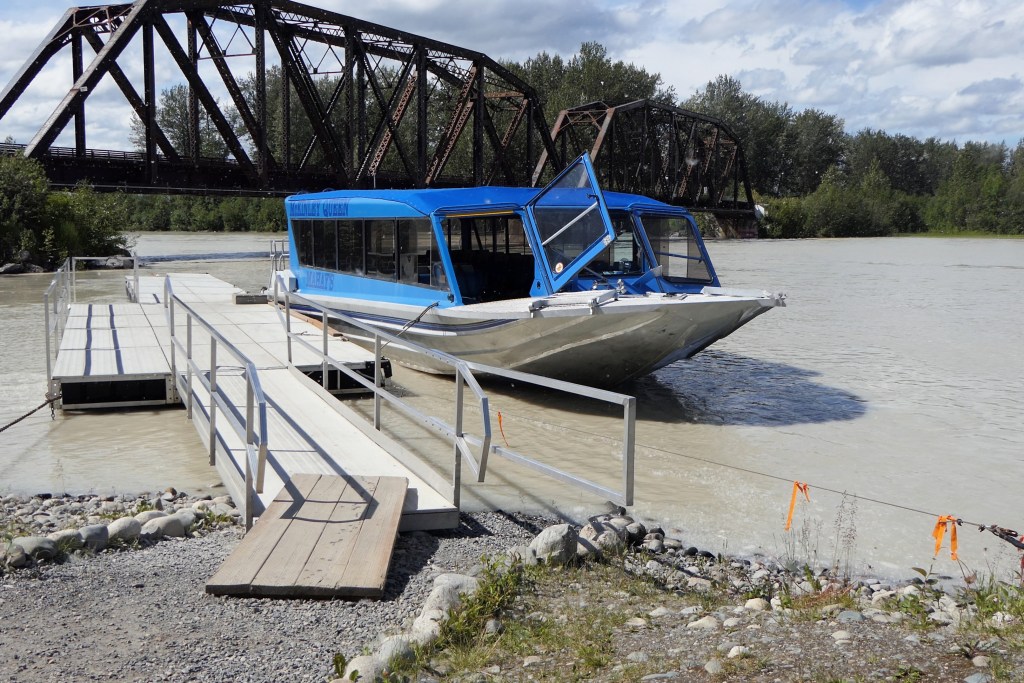
We got lucky with the weather the day we took a jet boat 60 miles up the Susitna River to a place called Devils Canyon. The boat only draws 14 inches of water which allows them to run the river without worrying about all the obstacles floating along or the always shifting gravel bars.

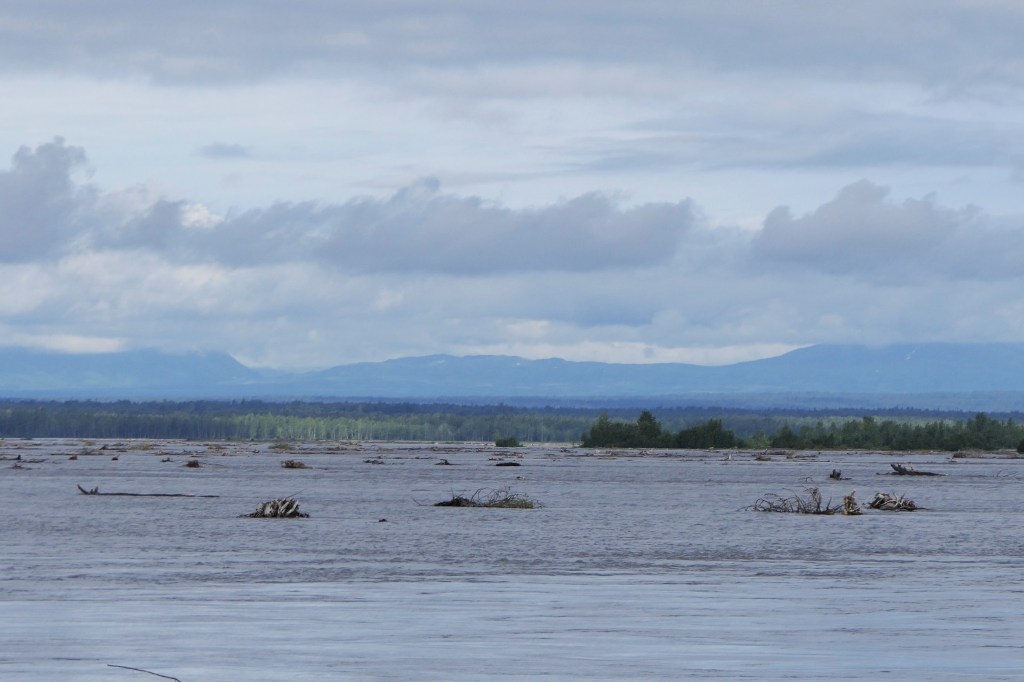
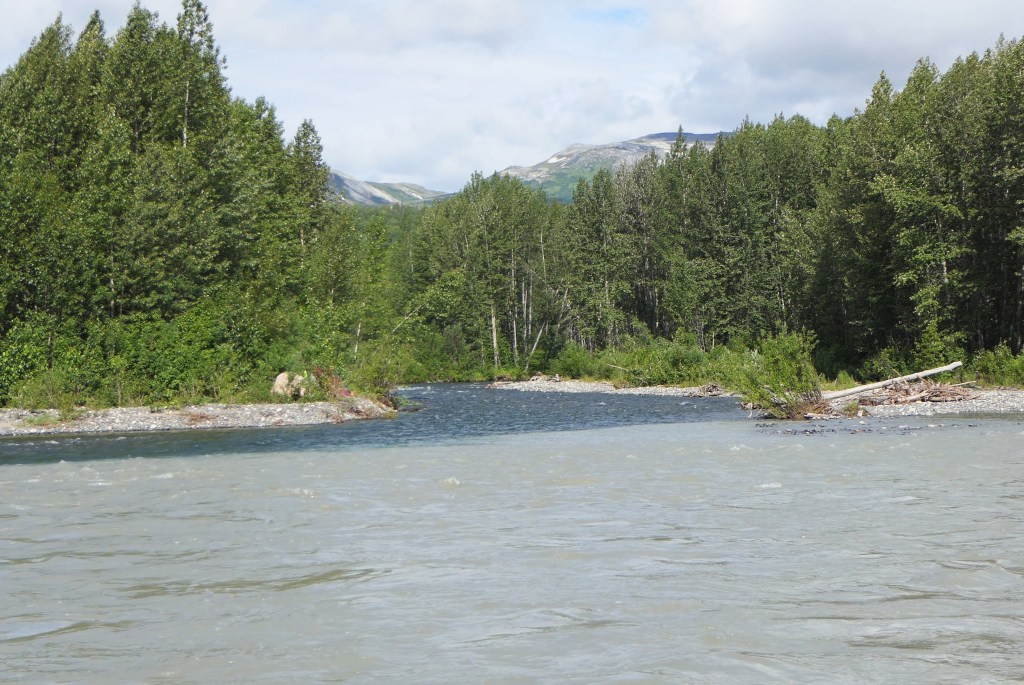
The day we went the flow was over 30,000 cfs (cubic feet per second) making it one of the largest rivers in the US. It has never been dammed despite numerous attempts which were fortunately shut down. The river drains from the Susitna Glacier which fills it with gray, silty “rock flour” which occurs as the glacial ice grinds the underlying stone. Here is an idea of the difference in the water clarity with Portage Creek flowing into the river.

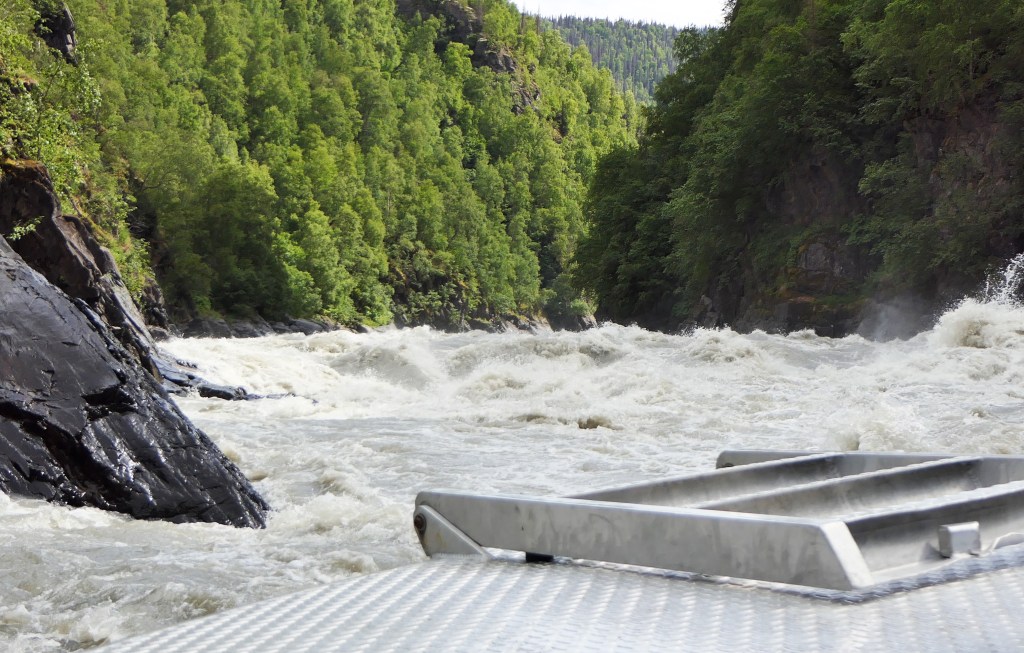
Portage Creek lies just below Hells Canyon. The canyon has never been rafted successfully as the Class 6 rapid proved to be unrunable. However on two occasions a jet boat has successfully traversed the canyon, once was by the father of our boat captain. Capt. Israel ran the boat through the Class 4/5 rapids right up to the Class 6 and we hung out there in awe of the sheer power of the water.

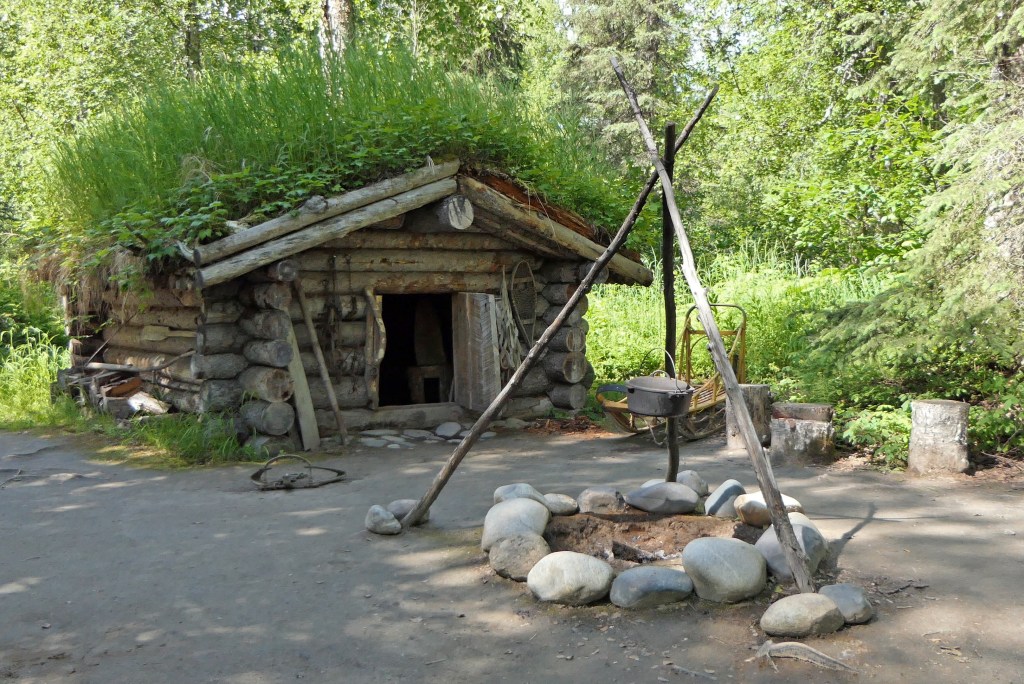
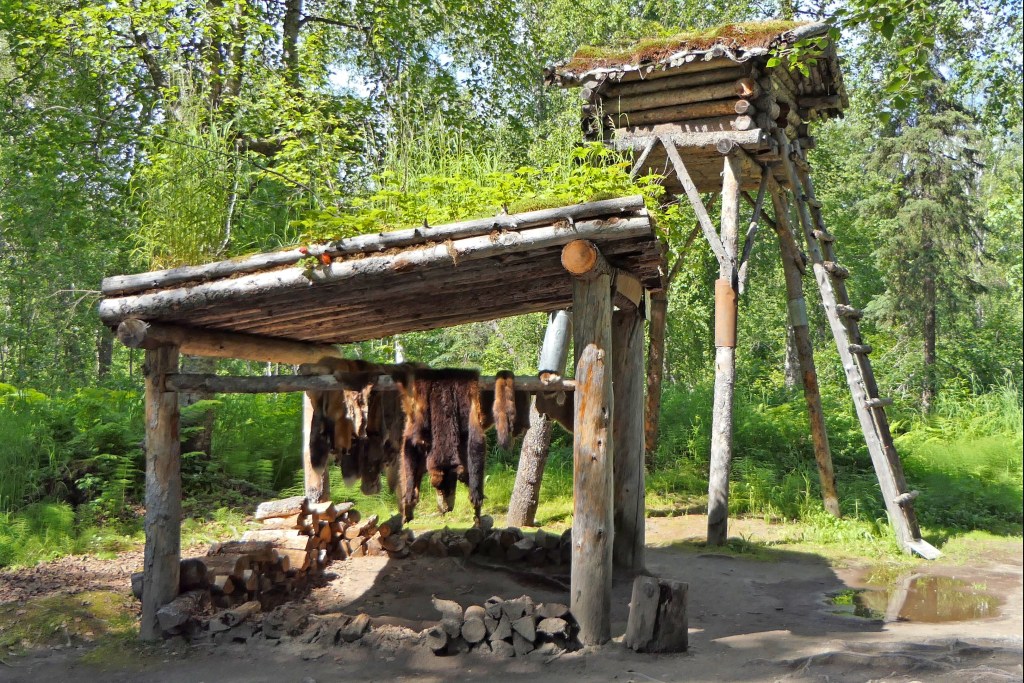
On the way down the river the boat stopped at a location that, under the direction of the University of Alaska, they have constructed a replica of a traditional trapping camp that would have been in the area historically.

After dinner that day we noticed that the clouds had thinned so we made another trip to the river to see if Denali was visible. Most of it was (it’s the big gray shape in the back) with the top still in the clouds.

More Glaciers and Wildlife

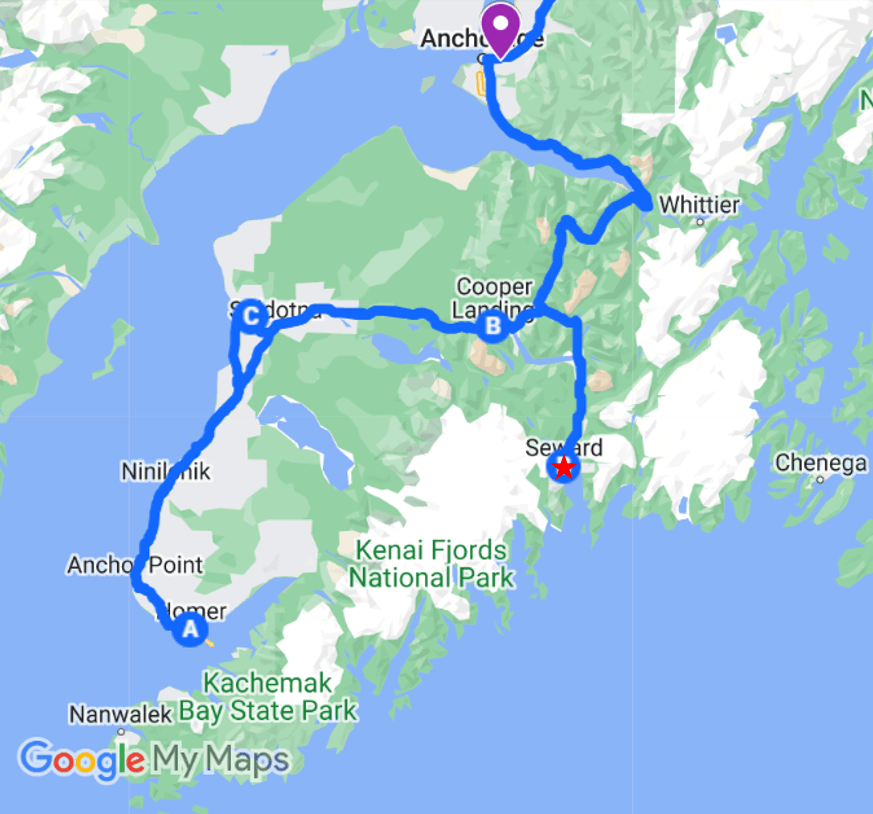
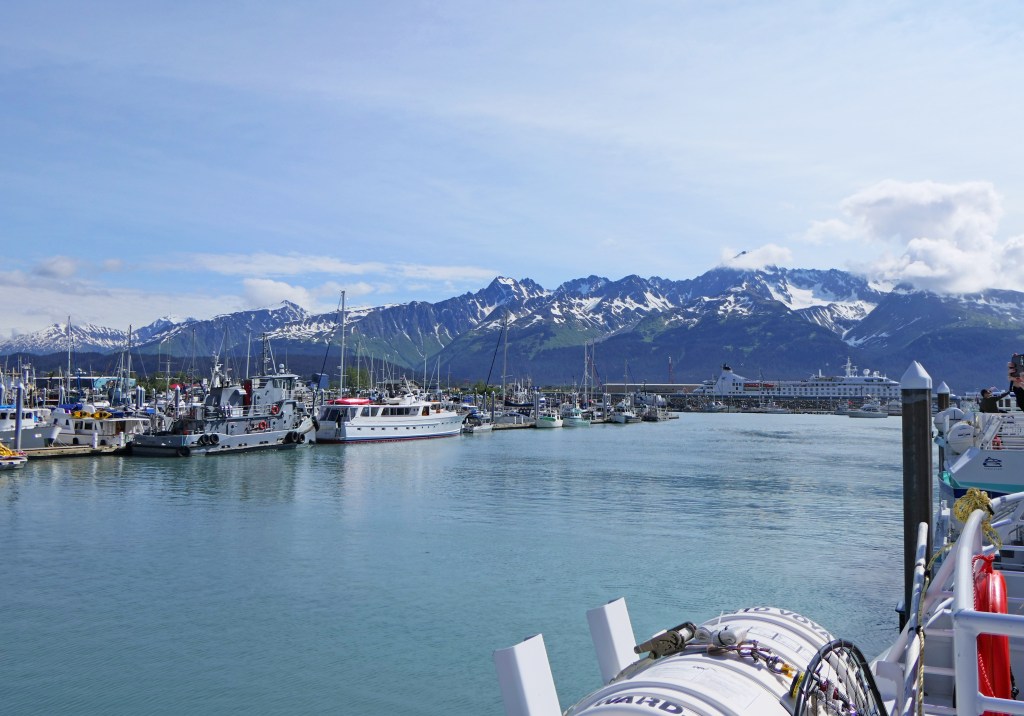
We drove from Homer up to Seward. Seward is the port that most cruise ships begin, end, or turn around in on Alaskan cruises and historically has been a major shipping port as it is the only one here that doesn’t freeze in the winter. The Kenai Fjords National Park is located here, with the Harding Icefield which spawns nearly 40 glaciers, some of which are landlocked and others that go to the sea. The Icefield covers ~ 700 square miles, is over 1,000 feet thick, and receives ~ 100 feet of snow a year.

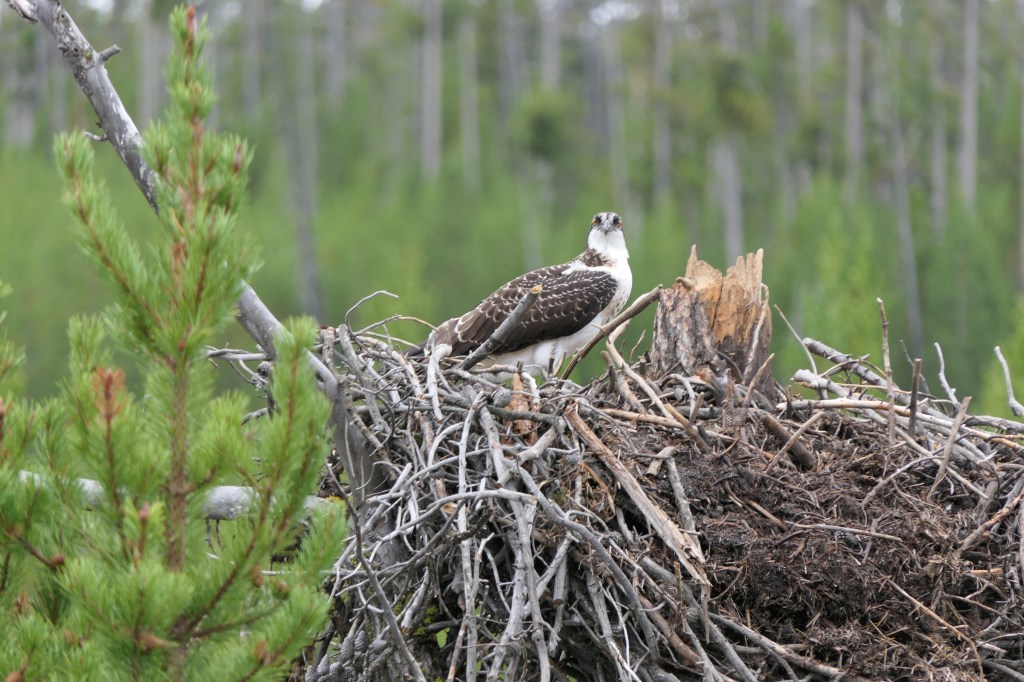
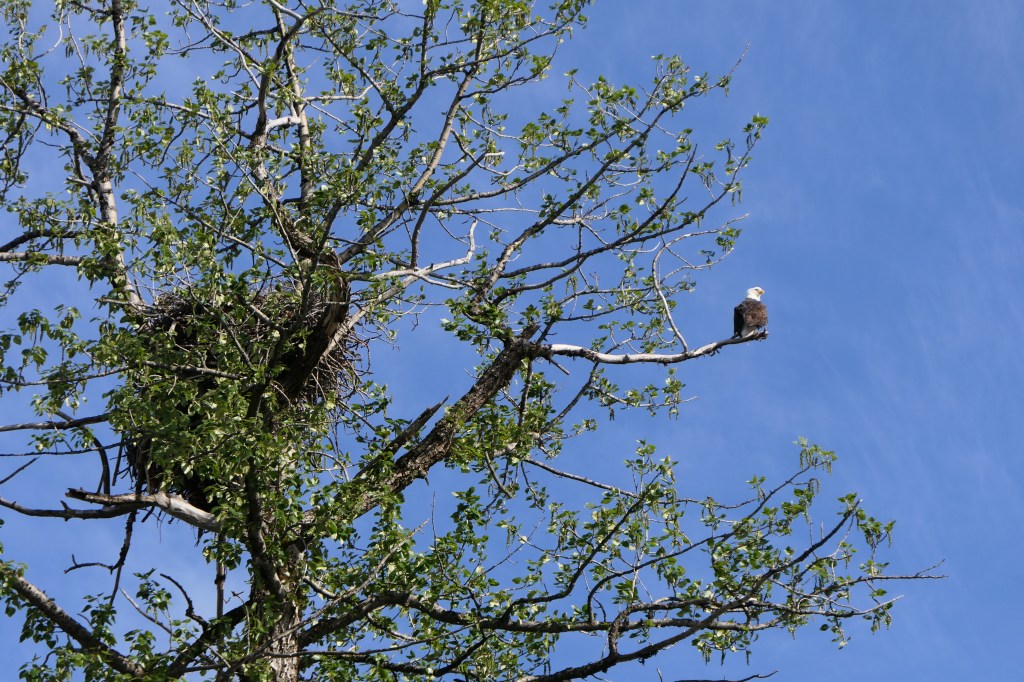
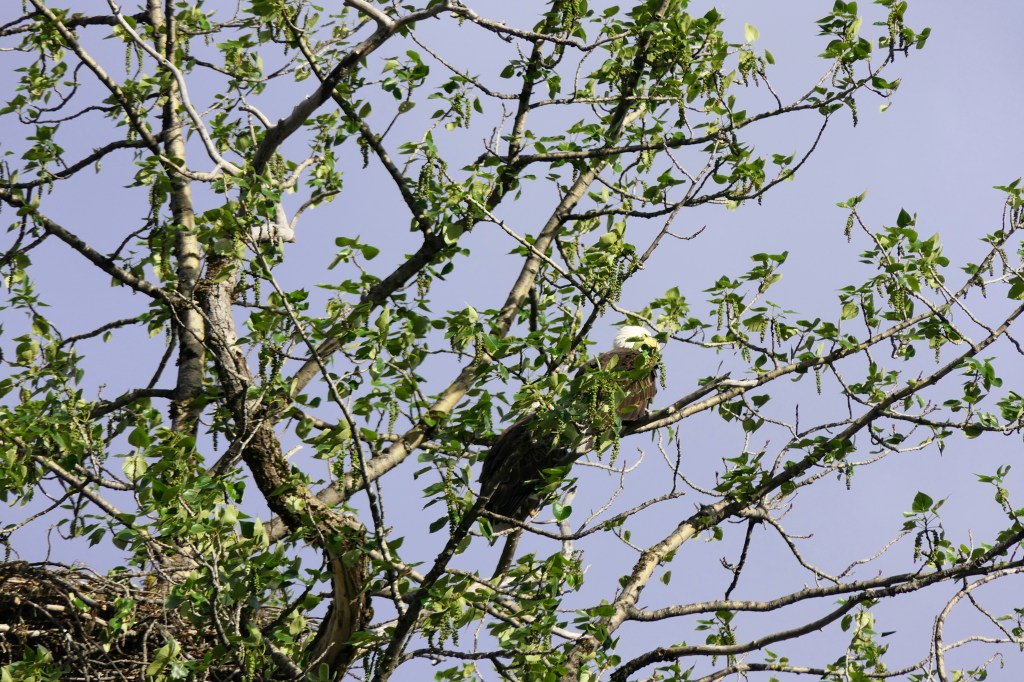
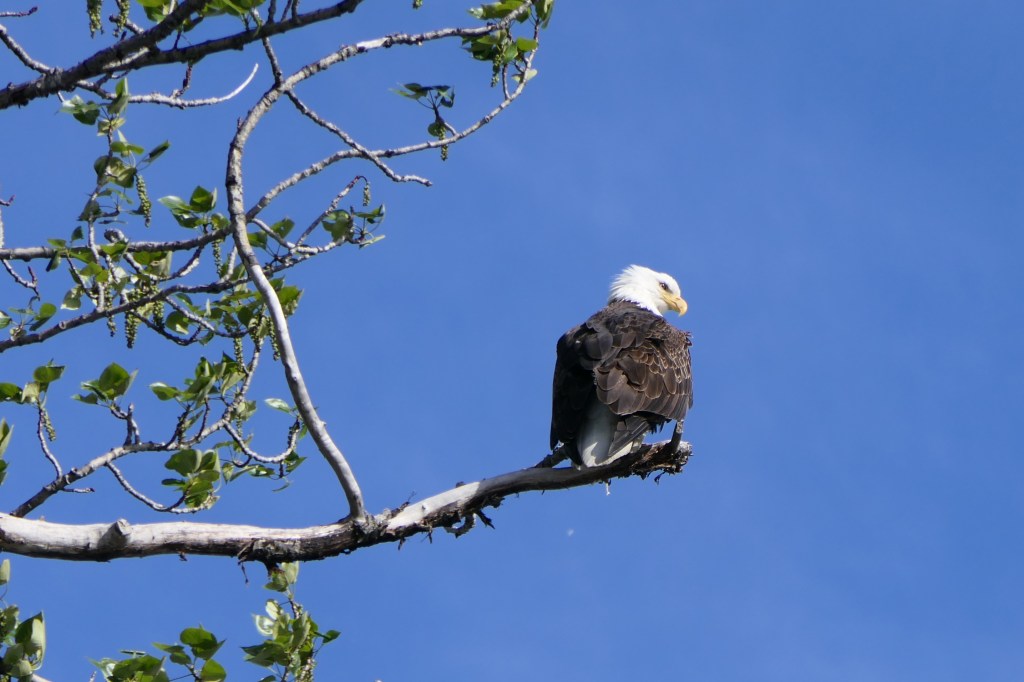
Our campsite is next to the Resurrection River flowing from the Exit Glacier in the park. About 200 feet from our site there is a tree with an active eagle’s nest.

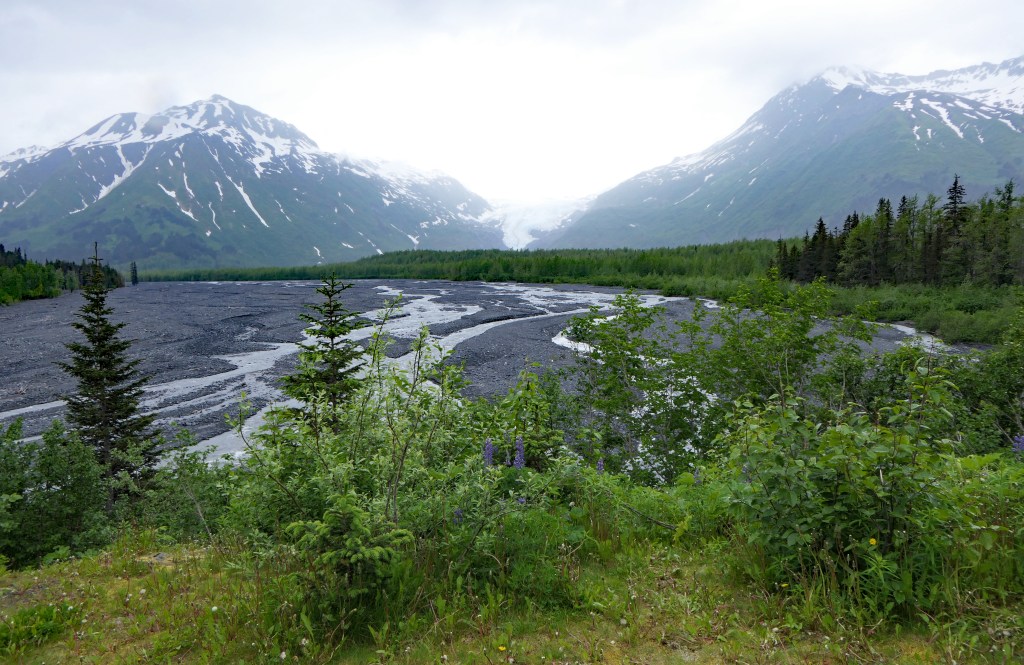
Exit Glacier is the only one that can be reached by road. It is amazing how far it has receded in the past 150 years. In 1815, the glacier covered where I stood to take this picture of it.

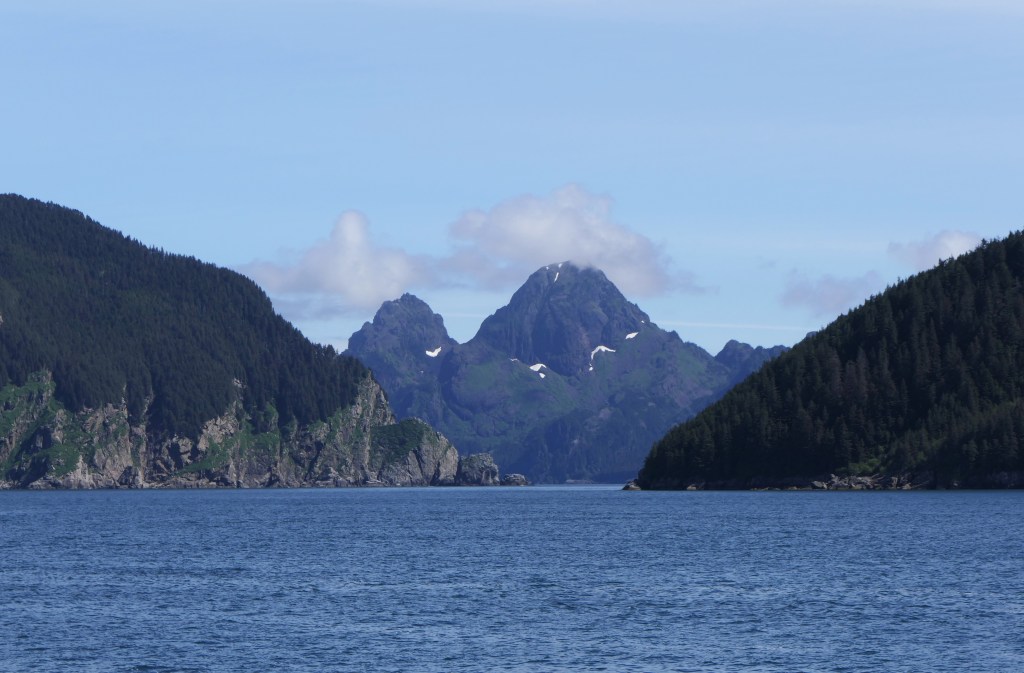
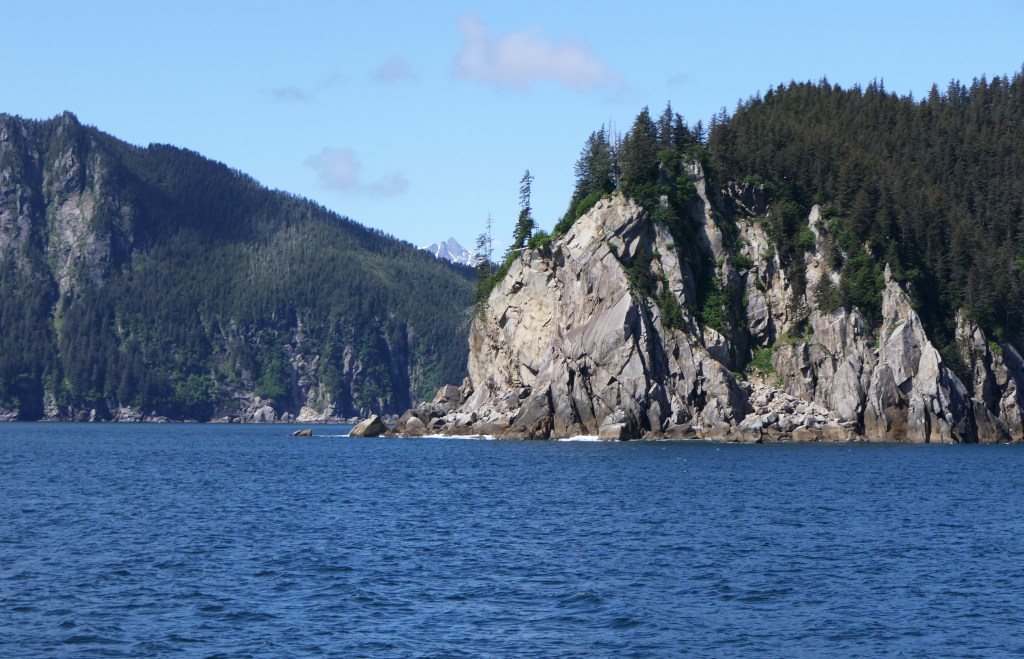
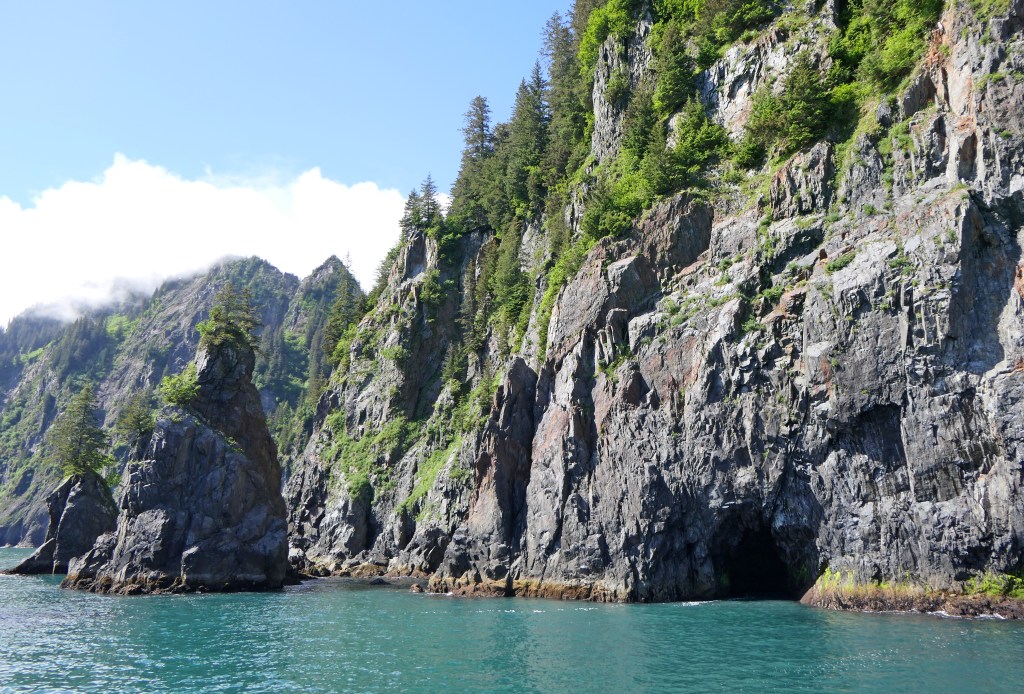
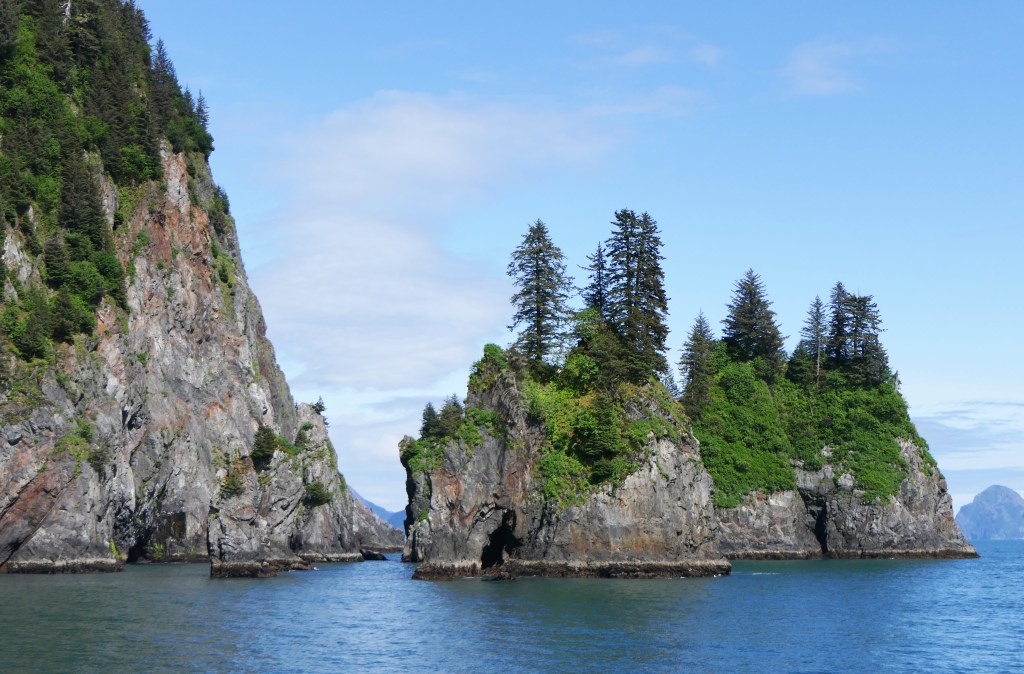
We were fortunate to have an exceptional day Saturday when we took a boat for a 7 hour tour of Resurrection Bay, the Park, and some of the glaciers in it. Resurrection Bay, like the bays surrounding it, are technically fjords. It reaches nearly 1,000 feet in depth and was an important location during WWII when Fort McGilvray was built on the western headland and on the eastern headland floodlights were placed so that the guns at the fort could target incoming enemy forces.

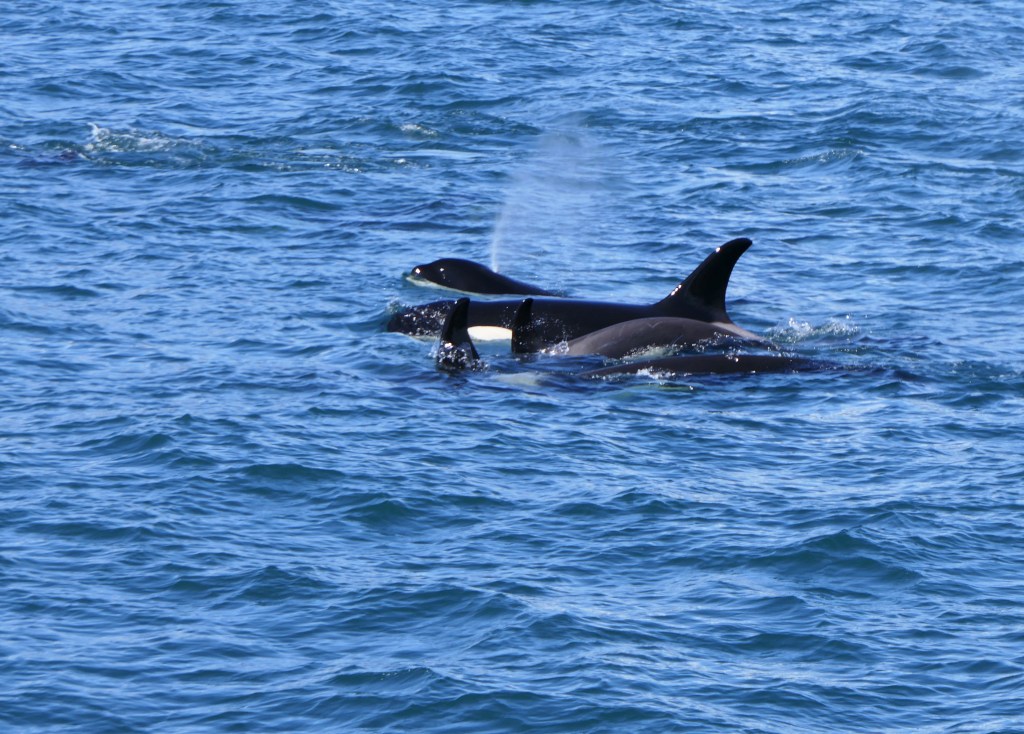
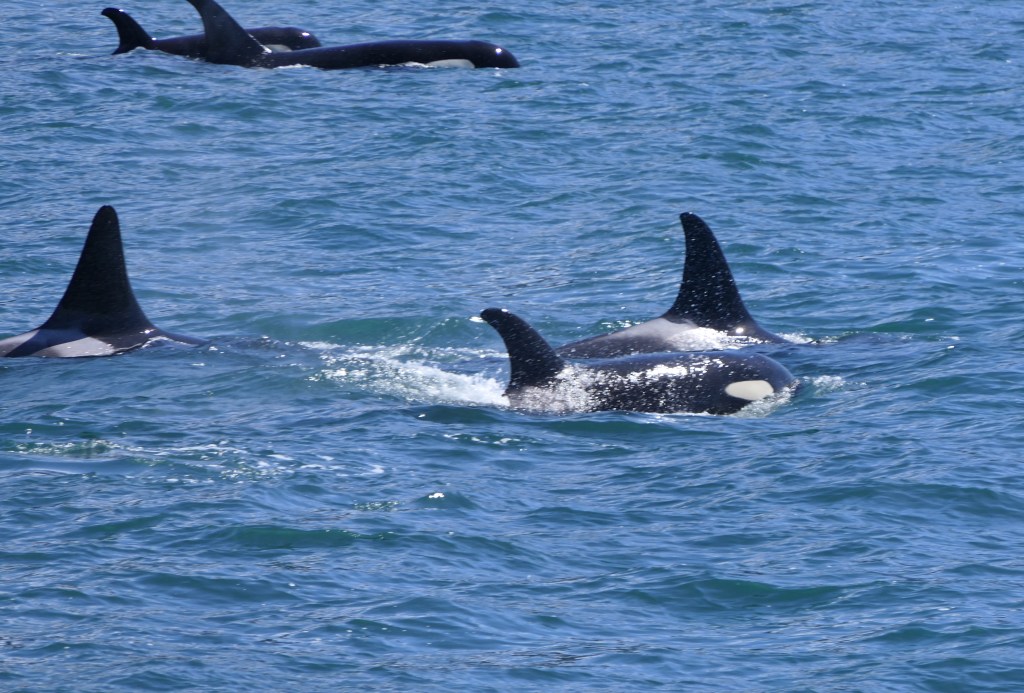
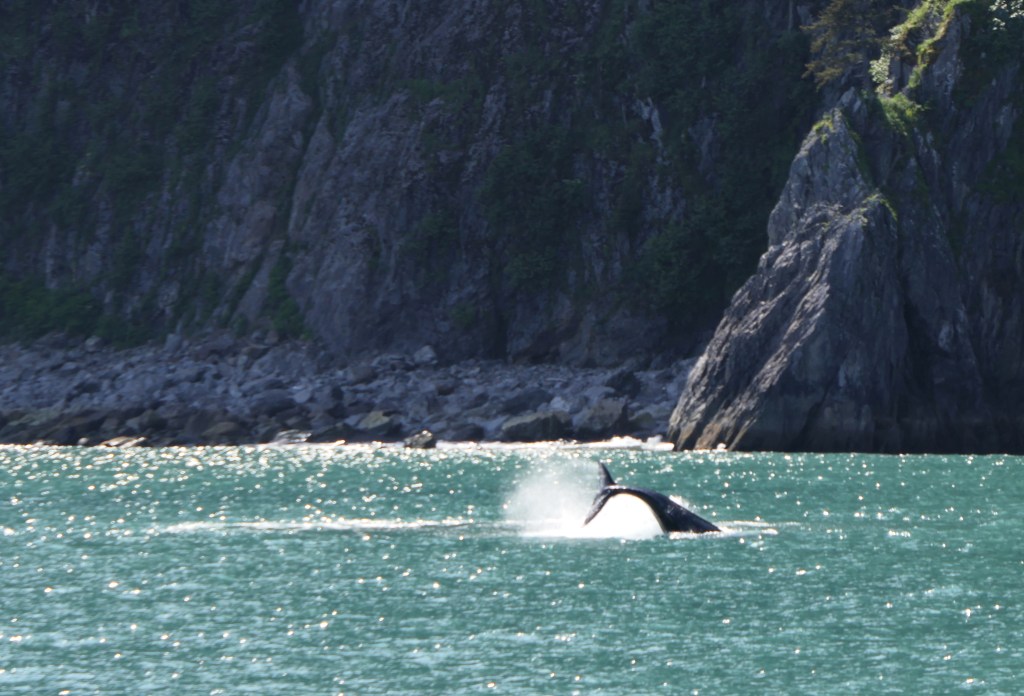
It was a trip to remember – we saw pods of orcas, humpback whales, seals, Stellar sea lions, sea otters, and numerous shore birds.

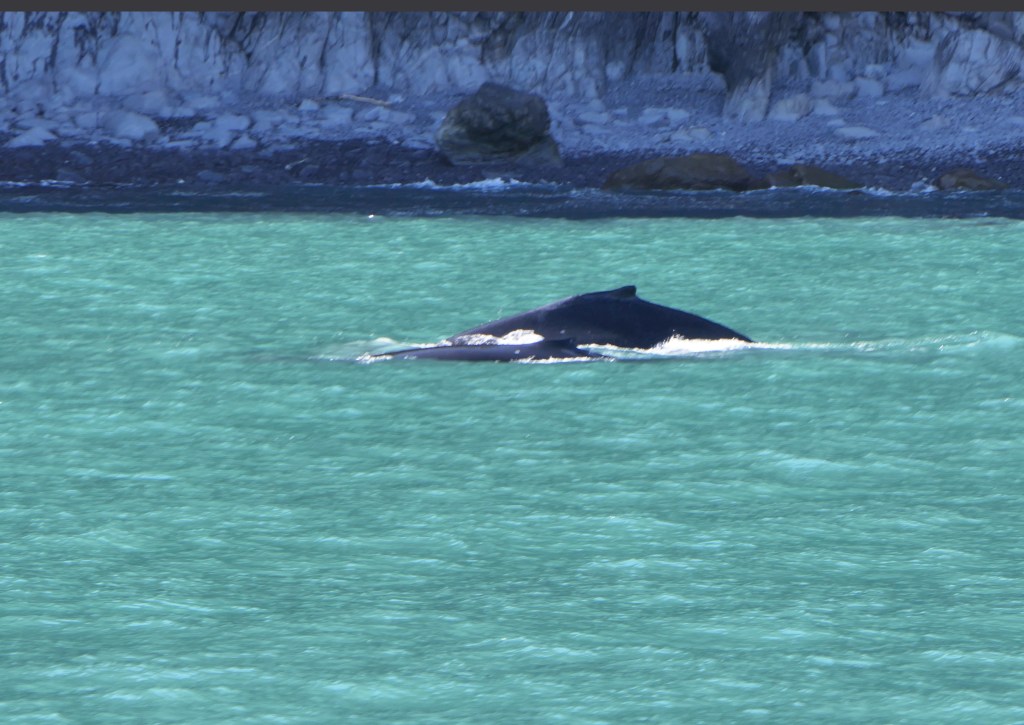
We saw a number of humpback whales, and there was a humpback mother and calf. The calf was active but not mom.

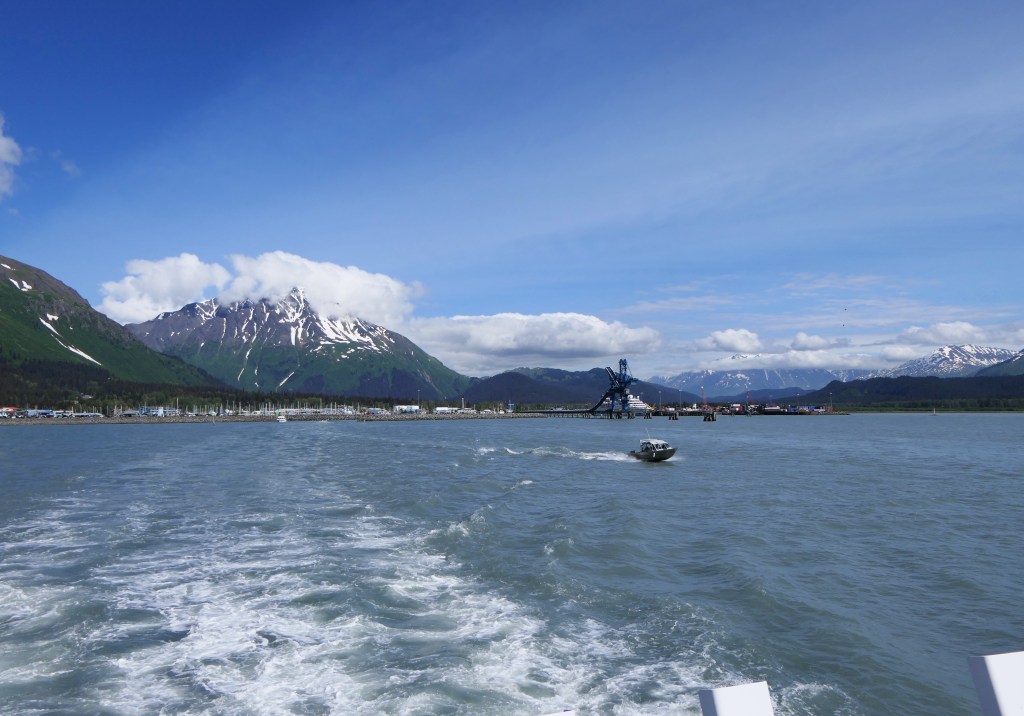
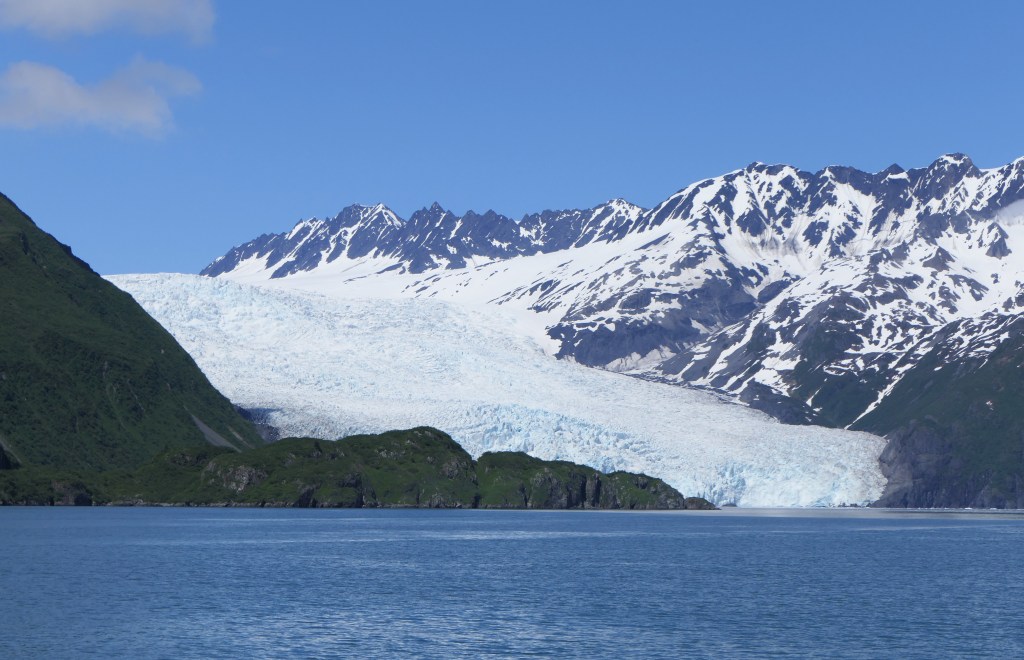
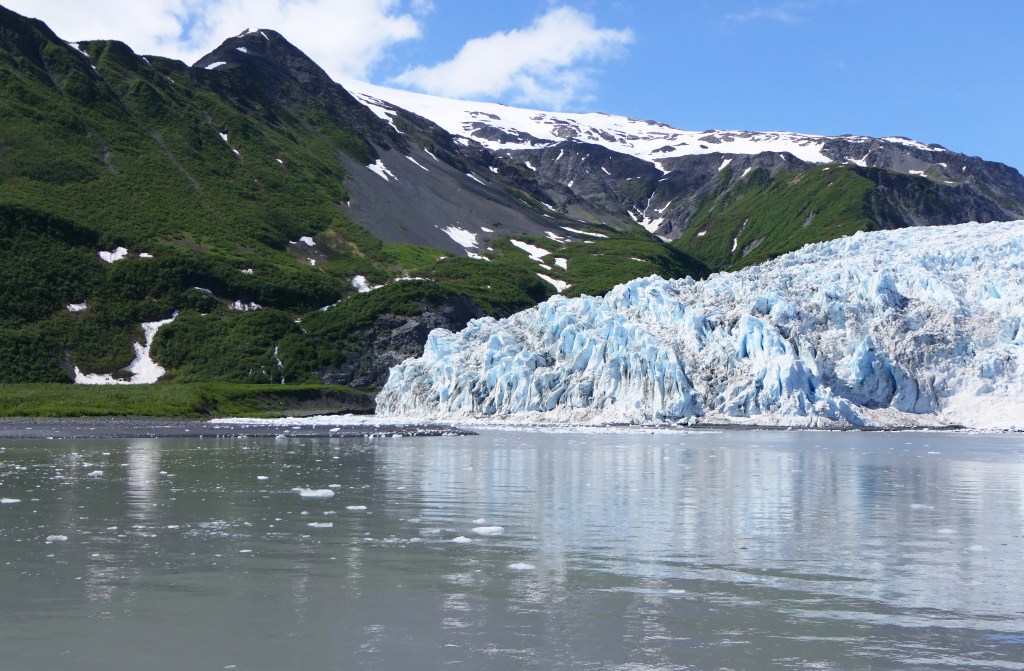
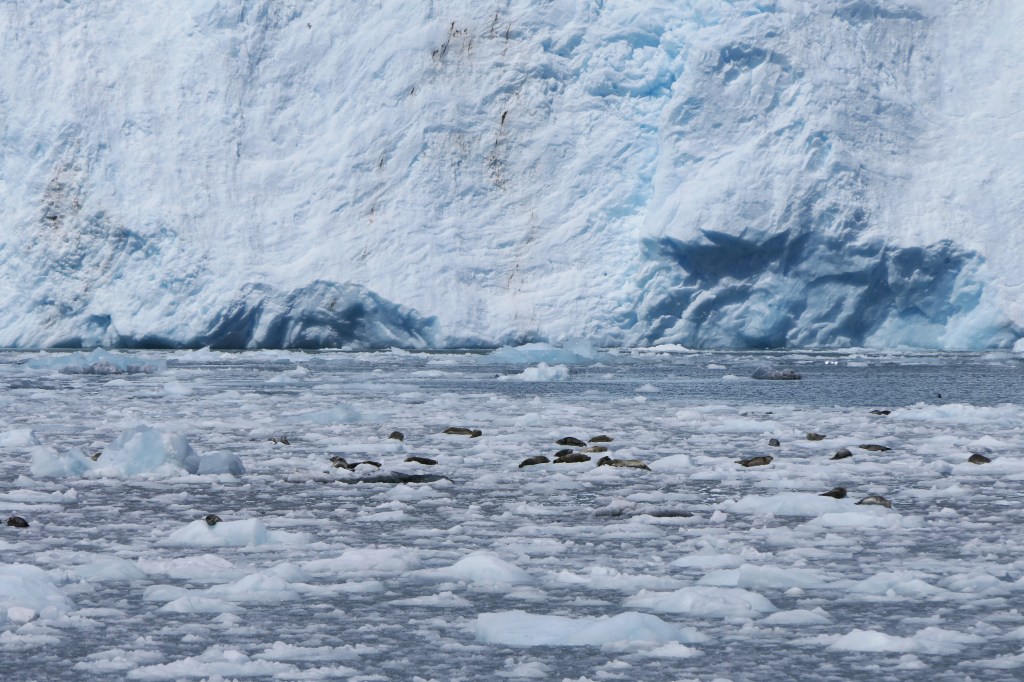
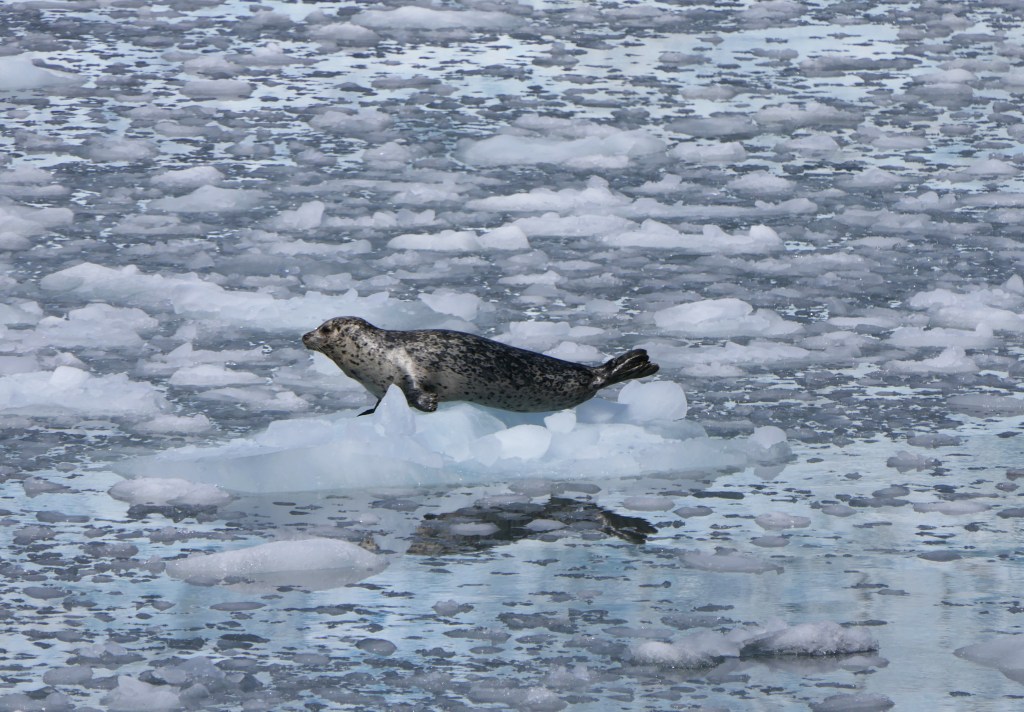
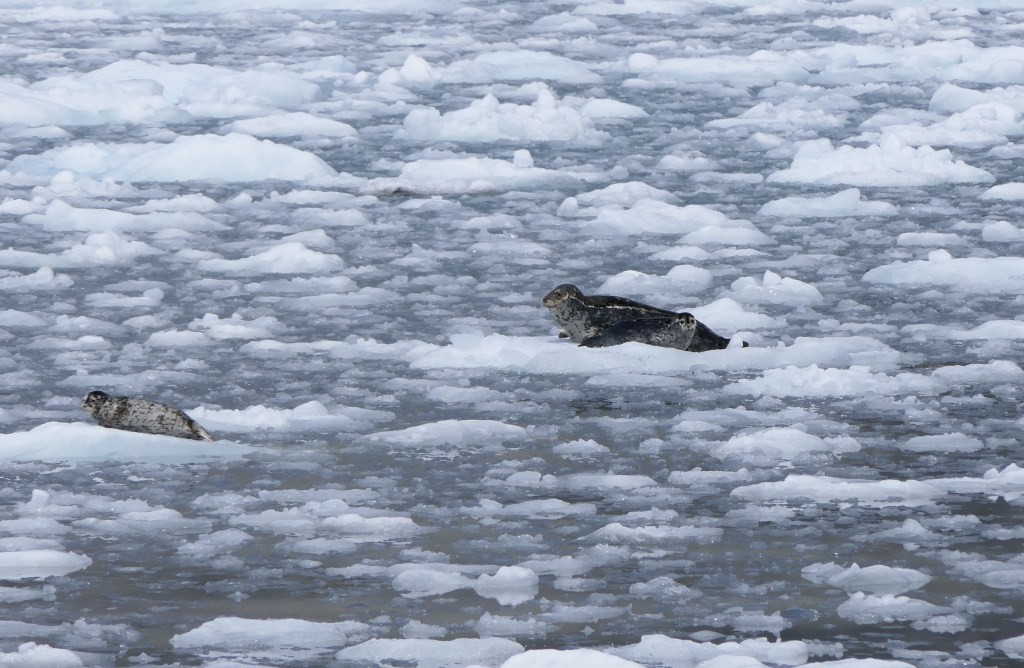
The captain got us up close to the Aialak Glacier and a boatload of seals.

Mom and seal pup, with another pup floating nearby.

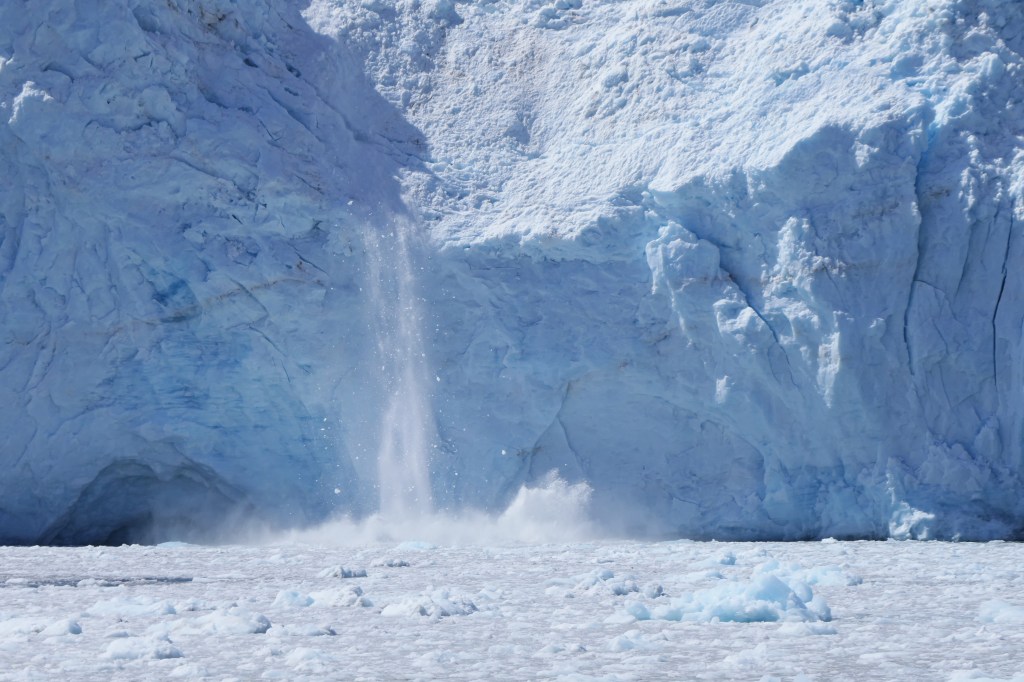
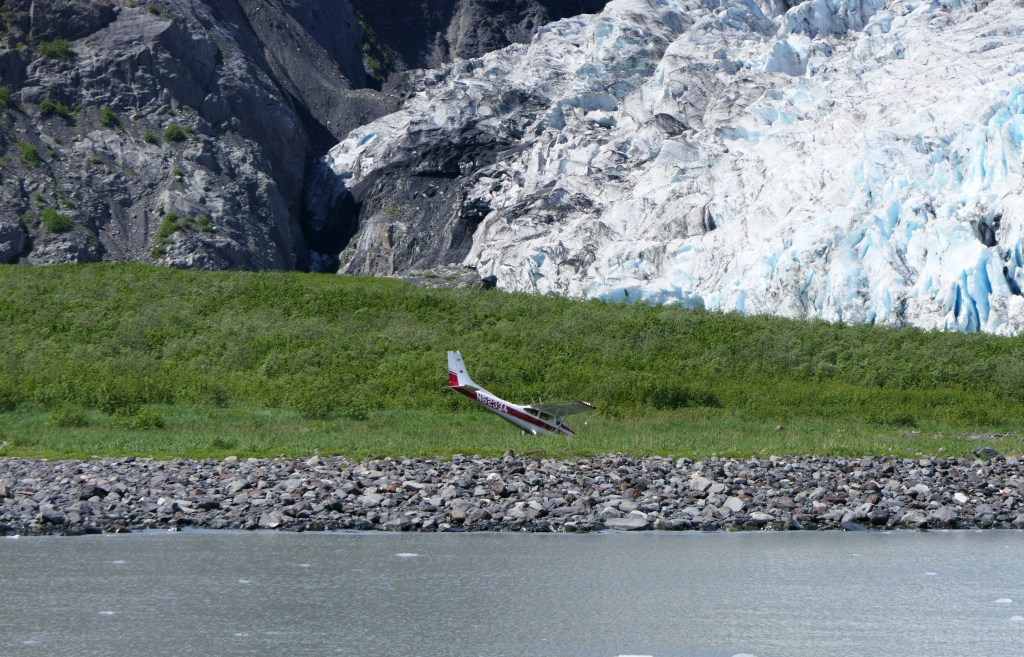
Oops!!!

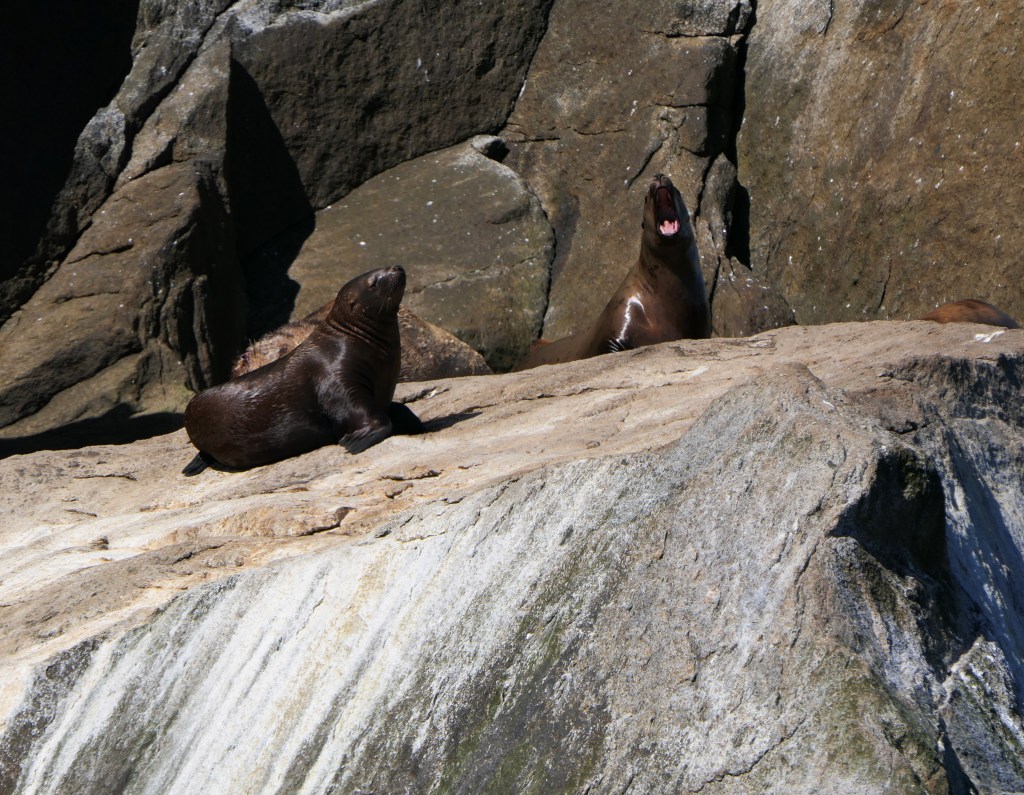
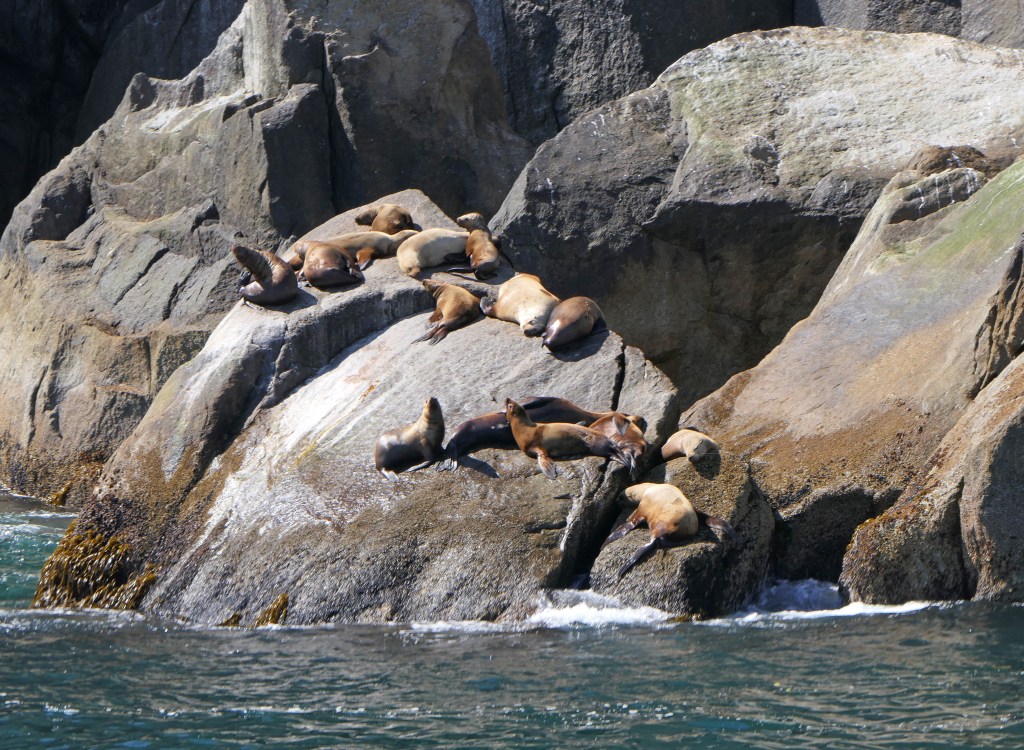
It is hard to say what made more noise, the glacier calving or the Stellar sea lions! The males can weigh 2,500 lbs. The colony had a number of pups with their moms.

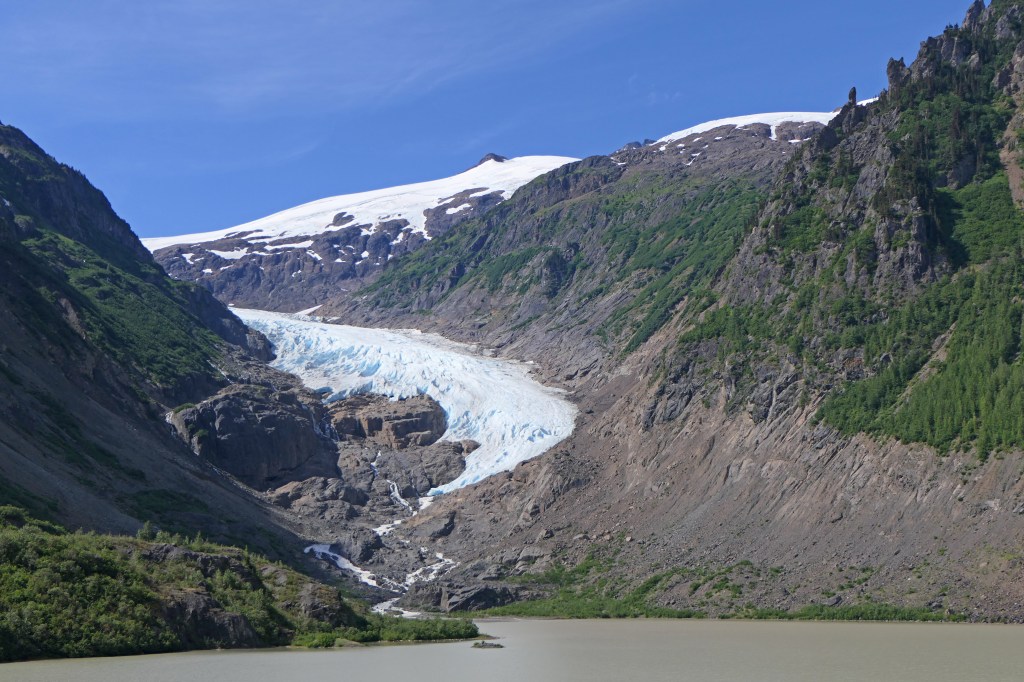
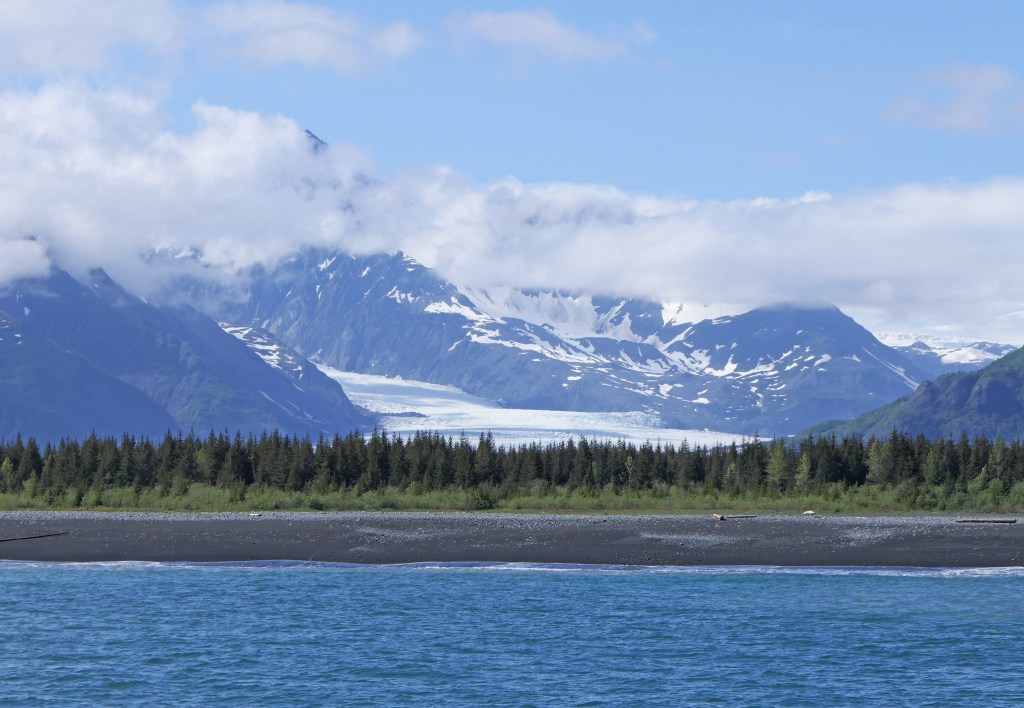
Towards the end of the trip we went by Bear Glacier. This glacier ends in what is called a terminal moraine (a buildup of the material that is created when the glacier grinds down the rock from the mountains) which is the beach you can see in this picture. It was cool to see the icebergs floating behind the beach in the glacial lagoon.

More fish, more rain.

We’ve been spending the week in Homer. Once again the weather has not cooperated and we haven’t been able to do all of the things we were hoping to do. Most days have been cold and rainy.

Homer is at the southern end of the Kenai Peninsula, and if you are familiar with the TV series Alaska:The Last Frontier on the Discovery Channel, it is where the Kilcher homestead is located and the series is filmed. UPDATE: When we went to dinner tonight before we leave tomorrow, guess who I met? Otto Kilcher, what a great guy! Had a really nice conversation, saw lots of pics of his horses and grandkids 🙂

We are staying down on Homer Spit, with a site right on the water. I took this shot of the Spit today which was the only day the sun really came out.

There is a glacier across the bay, the Grewingk Glacier. We were able to see it today when the clouds lifted.

Earlier in the week Christian went out deep sea fishing. He got 3 cod (~18 lbs. each), 2 halibut, and a pink salmon. We ended up shipping another 24 lbs. of fish home!

With the rain we looked for things indoors to do. The Alaska Islands and Oceans Visitors Center for the Alaska Maritime National Wildlife Refuge had some great exhibits, however most of the refuge is inaccessible via normal means. This dory was the last one used by biologists for the refuge and it was built in Massachusetts. An interesting exhibit told the story of the Battle of Attu, the 2nd most bloody battle in WWII when the Japanese landed unapposed in the Aleutian Islands after invading Kiska.

credit – Wikipedia

We visited a winery here that makes wines both from traditional grapes with fruit added (on the left) and also solely from fruit (on the right), and a number of them were excellent, far better than the fruit wines we have sampled at home!

We also squeezed in a bath for Beau at the local dog wash. He wasn’t a fan, but he smells MUCH better 🙂

One thing that loves the rain – the lupine are blooming everywhere.

And because I can’t resist, four years ago this week we were here, the weather was much better, and we took a helicopter to Lake Clark National Park to see the brown bears. We landed in a vast marsh and somewhere around 40 could be seen at one time. We wanted to do it again, but the weather didn’t cooperate and the price tripled.

ggg

Salmon Fishing!

We’re in Coopers Landing, the central hub of the salmon fishing on the Kenai River. Bad news was the dismal weather has settled back in again, cold and rain.

Yesterday we went drift boat fishing for sockeye salmon (“red” salmon) on the Upper Kenai River. We fished this four years ago in the midst of the huge fire on the Kenai Peninsula that burned 170,000 acres. The burn area is vast. At that time when we drove through the fire area towards Homer, we had to wait four hours as they closed the road.

credit Alaska F & G

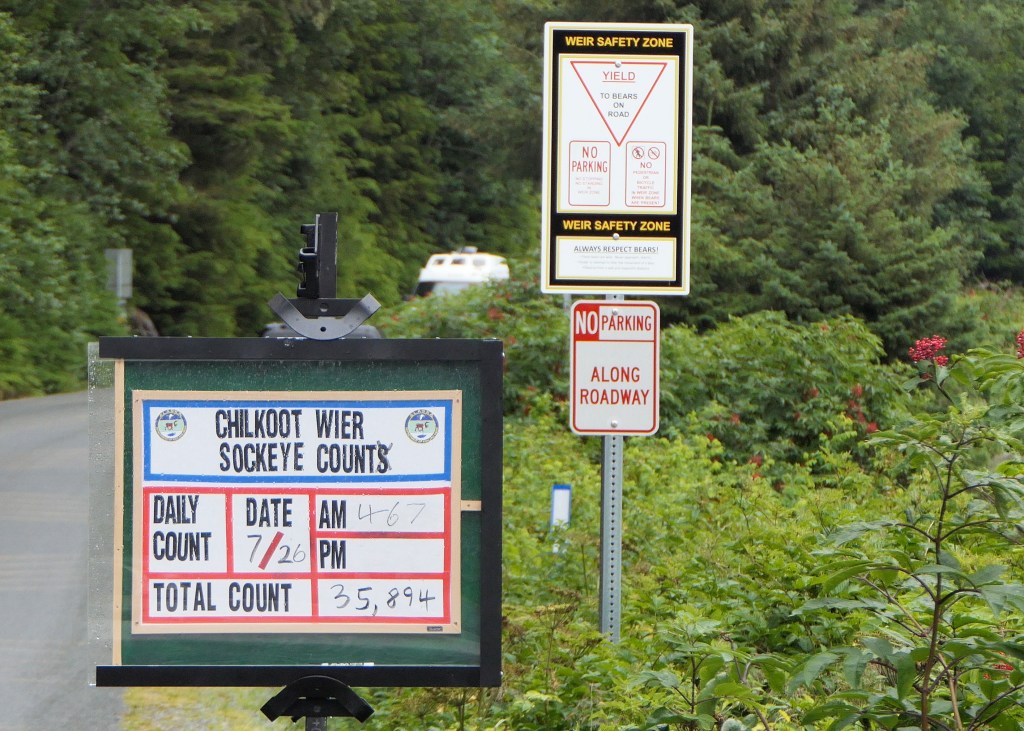
This is the early run of sockeye on the Kenai, and ends in the next few days. Alaska F&G manages the fishery intensely, doing counts of the migrating salmon and adjusting the daily limit on the fly. The usual limit is 3 fish per angler, however today we had a limit of 6 fish, and tomorrow – the end of the run – they increased the limit to 9 fish because the monitoring of the run has indicated that the goal for the fish not captured of 22,000 to 42,ooo will be exceeded.

We had an excellent guide Adam, the owner of Five Dogs Fishing and had a great boat mate David, an avid fly fisherman from Montana. After a 3:30 wake up call to make a meet up at the boat at 5 am, Adam put us on a spot were the fishing was HOT!

OLYMPUS DIGITAL CAMERA

It became obvious quickly why we had such an early start because by mid-morning, the river was wall-to-wall anglers at the spots accessible on foot. They call it “combat fishing.” I didn’t get a picture of the utter chaos we saw on drive back upstream.

Our guide Adam.

Boat-mate David.

Our group landed eight large (~ 7 lbs.) salmon and had a number of escapees, as well as rainbow trout and Dolly Varden char which were released. Quite the day!

There were a lot of “anglers” there of a different species too.

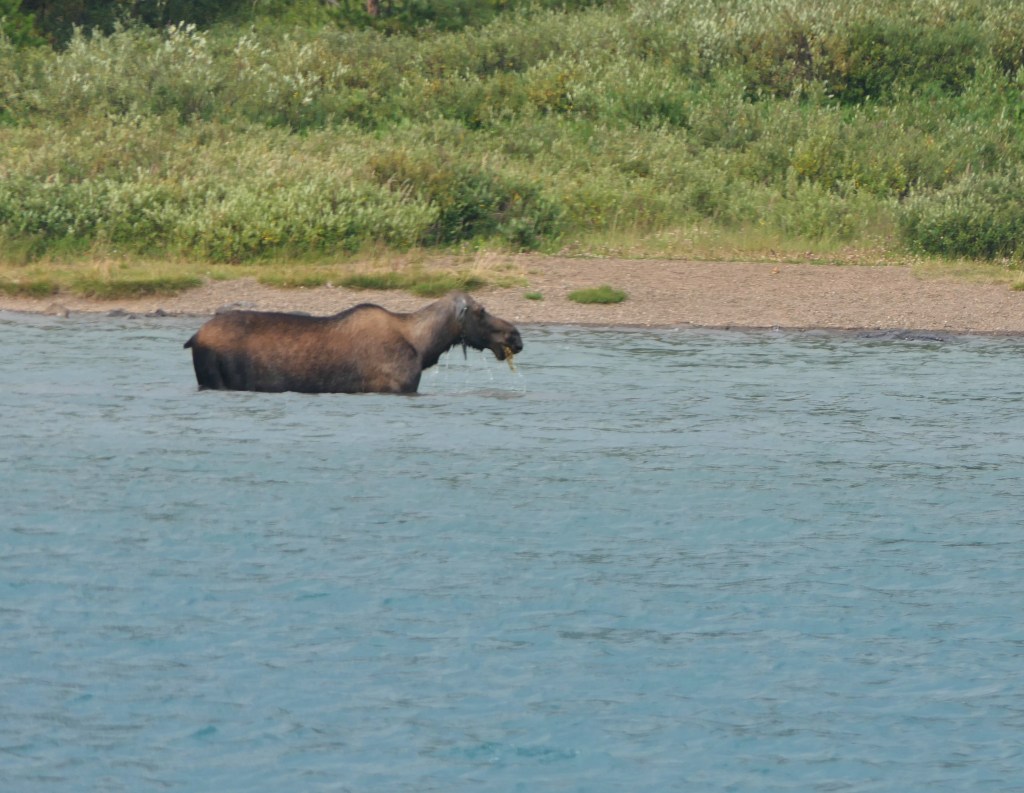
And a mama and baby moose.

Glaciers and sun

We had a couple of days up in the middle of the mountains on the way to Anchorage. It was beautiful, but for most of the time the weather didn’t cooperate.

This was the view from the place we stayed at around 10 pm when the clouds broke for a bit.

Moved down to a spot still in the mountains just outside of Anchorage and the weather continued to be cold and rain until yesterday afternoon and today.

With the sun today we backtracked back to the Matanuska Glacier to be able to really see it.

This is the view from this campground tonight.

We’re hoping we’ll have better weather going forward so we can do things!

Wrangell-St. Elias National Park

We’re parked in Chitina, about 60 miles from McCarthy, the town that is an inholding within the park and that is 5 miles from the Kennecott Mine. Chitina is right by the confluence of the Copper River with the Chitina River.

What they call the Copper River delta is a huge delta of glacial silt deposits and braided riverbed. The scale of this can’t be captured in a picture.

It is an important spot for salmon fishing. Above the bridge, dip netting and fish wheels are allowed. We saw this but couldn’t get a good picture.

credit – Alaska.org

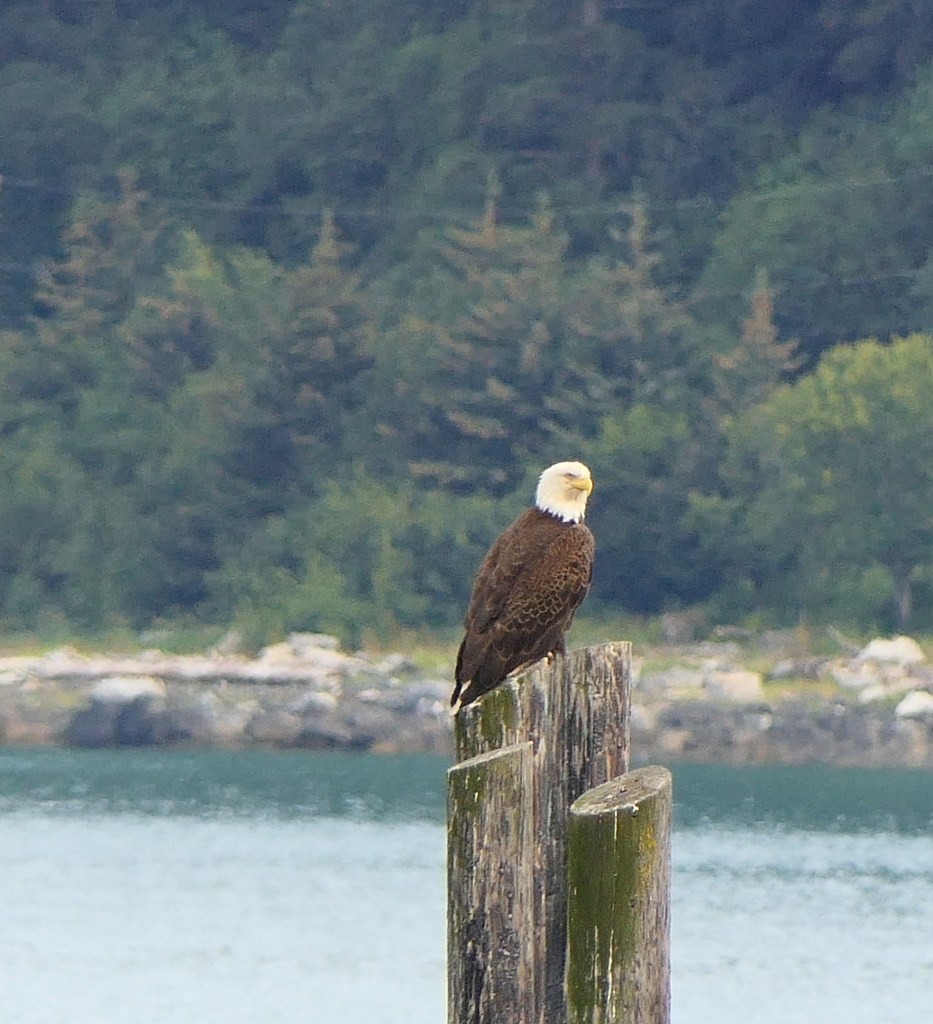
Eagles soar above the fishermen and also wait patiently for a catch.

We didn’t have great weather again, the locals say it is abnormally cold, rainy, and windy. But we did see spectacular views.

The gravel road from Chitina to McCarthy was originally a railway to move the copper ore from the mine at Kennecott to Cordova where it was loaded onto ships.

This was the location of a rail bridge, and now is a road. Over 6,000 men constructed the rail line beginning in 1907 over four years.

There is a remnant of the original wood rail trestle that can still be seen.

On the way down the road we surprised a moose so here is a pic of a moose tush on the run 🙂

The town of McCarthy is an experience. To get there you have to park and walk across the bridge where you can get a shuttle into town every half hour.

The copper ore mined at Kennecott yielded over a billion dollars profit in today’s dollars. In addition to being a National Park historical site, it is also a Superfund site.

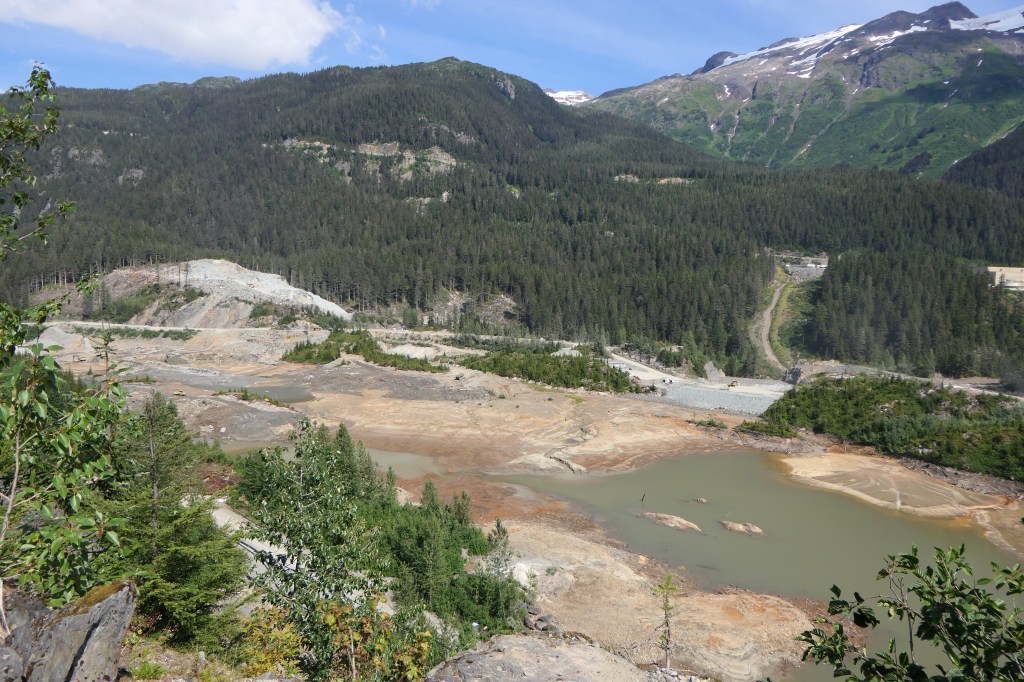
Unfortunately, after we took another shuttle the five miles from McCarthy, the weather turned from bad to worse as heavy sleet, so we didn’t make it to the ghost town of Kennecott. In the forefront of my picture are the huge mine tailing piles.

credit – NPS

There is a beautiful waterfall at Liberty Stream on the drive.

Rain and more rain…

We were so lucky to have a beautiful day for the drive to Valdez, because after that the weather went downhill for the remainder of our stay here. So no halibut fishing or glacier cruise as planned. The folks here say they have had record rain and cold this month.

One day there were some breaks in the rain and we toured around the small town. Traveling by the fjord in Prince William Sound, we followed a humpback whale as it leisurely traveled along. You could hear every breath from the shore.

And some sea otters…

There is a fish farm just offshore by the hatchery.

The berries are in bloom by the harbor, and there are bear caution signs all around.

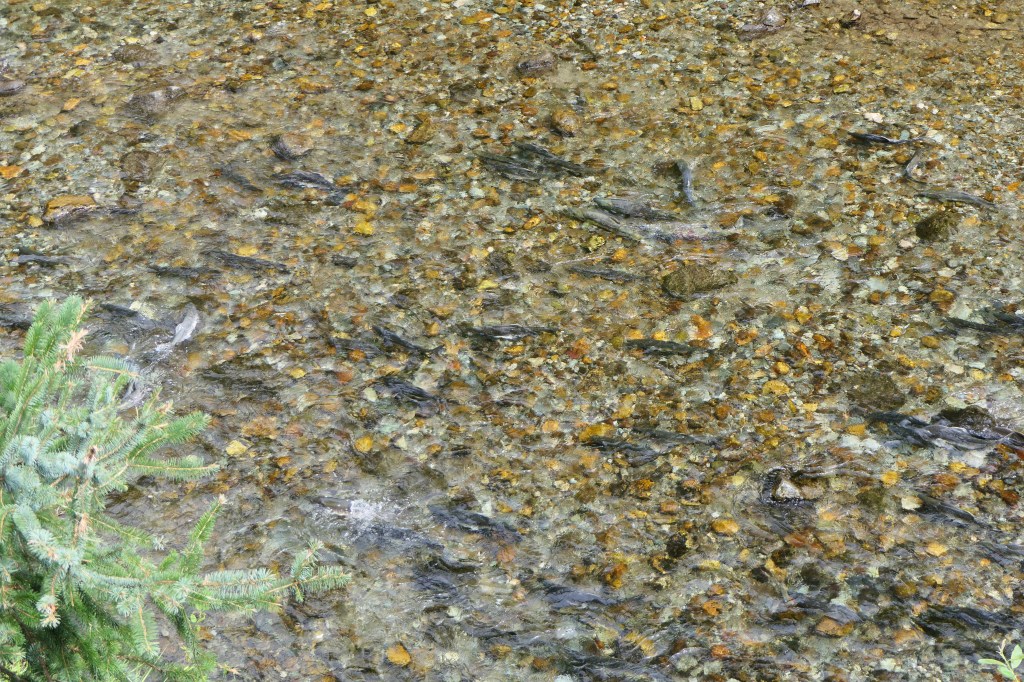
There is a viewing area for when the salmon are running. Beau found it very interesting! What a dirt-head 🙂

This is all there was of the Valdez Glacier Lake.

You’ve heard of she-sheds…

On to Valdez!

The move to the next stop in Valdez was great on a warm and sunny Monday.

We had some phenomenal views along the drive. Some say that Switzerland is the Valdez of Europe 🙂

And the inevitable road construction stops. The Highway Department works nonstop on the roads here in the warmer months. Not a bad place to spend a day at work!

At the top of Thompson Pass (elev. 2,805′ – it is the snowiest place in Alaska, getting an average of 500″ of snow a year) is Worthington Glacier, which you can walk to when there is less snow on the ground.

Beau thought the snow was the best!

Keystone Canyon, which is about 15 miles from Valdez, has a number of spectacular waterfalls, including Bridalveil Falls.