We left the our floating home in Mauritius with our friends David and Naomi on a four+ hour flight to Nairobi to start the safari.
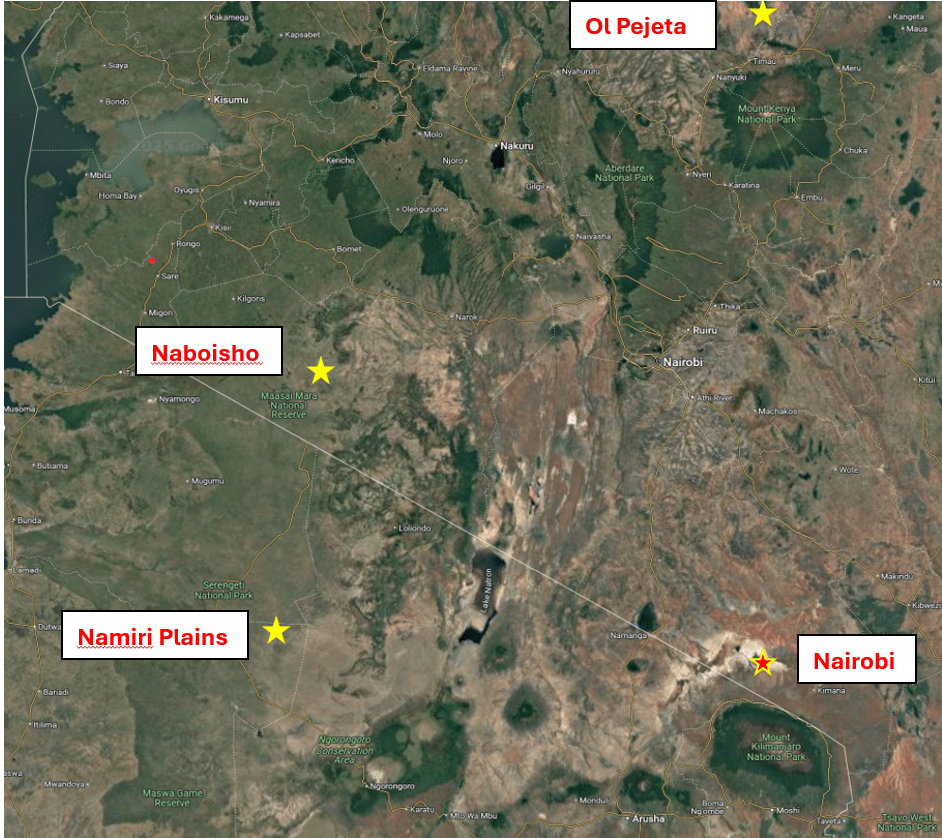
We were visiting three locations in Kenya and Tanzania, Ol Pejeta Conservancy in Kenya, Mara Naboisho Conservancy in Kenya, and Namiri Plains in the Serengeti, Tanzania. The three locations each offered different habitats and wildlife.
Our flight didn’t get into Nairobi until 11 pm and we faced the challenge of repacking our things because we were only allowed a 33 lb. duffel bag on the small planes we were taking between the camps. The rest of our luggage was stored by the company in Nairobi.
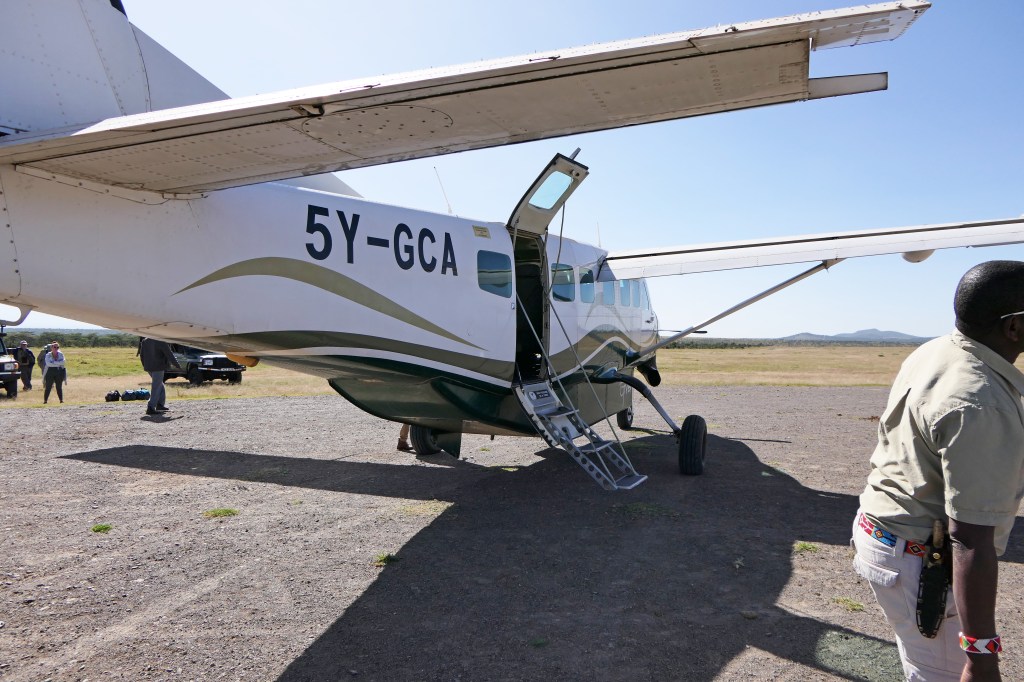
Bright and wayyy to early we left the hotel for our first flight to Ol Pejeta Conservancy. Our plane – this was typical for all the planes we took.
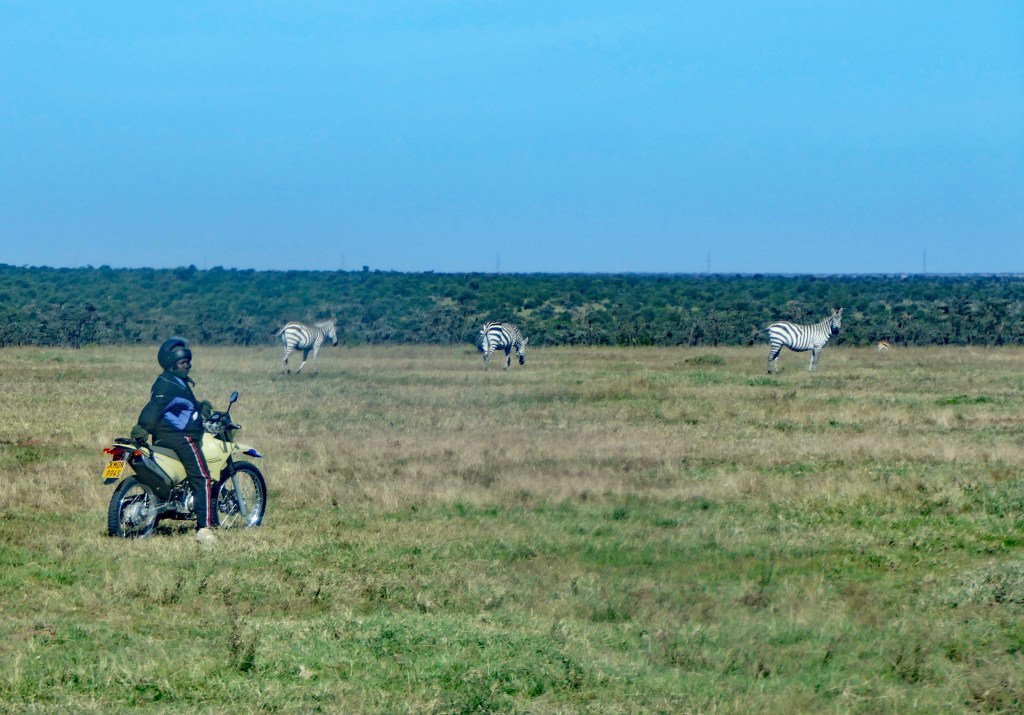
It was amazing seeing giraffes and elephants from the plane. The first surprise was upon landing. There were men on motorbikes that would go up and down the dirt runways to keep the wildlife off of them while the planes take off and land.
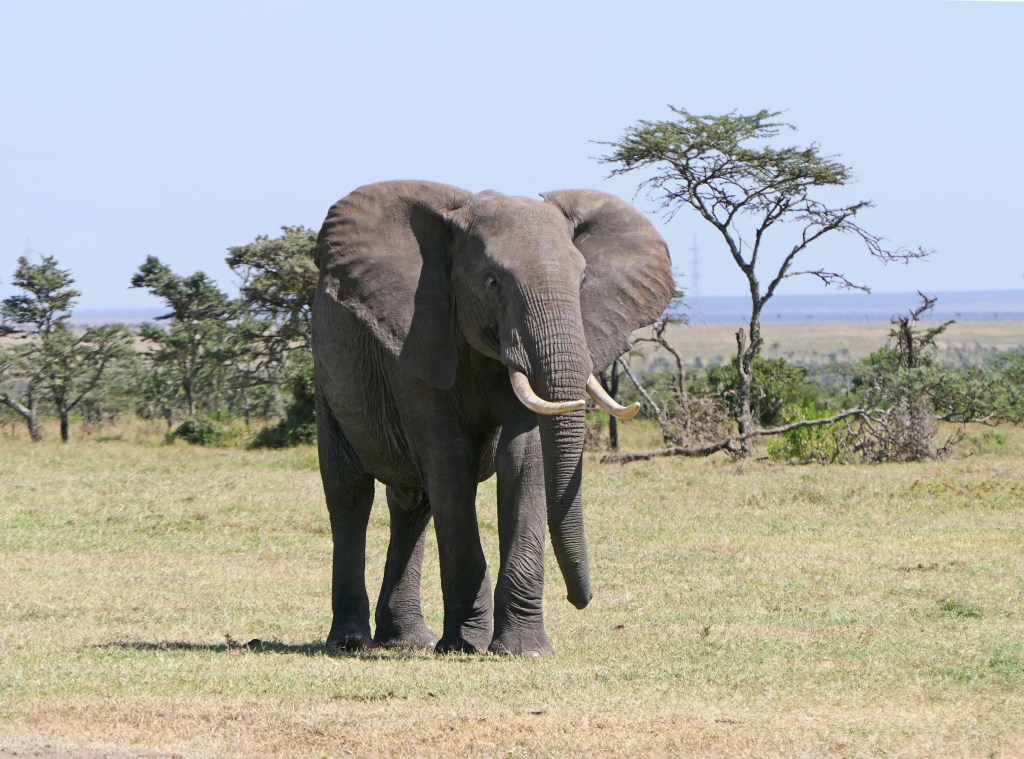
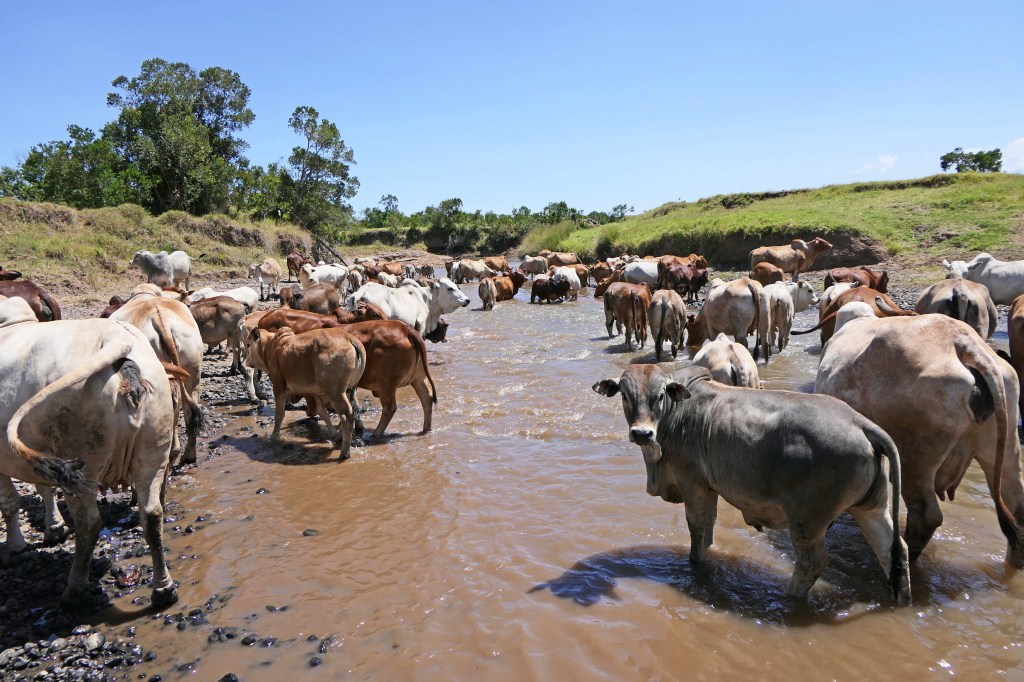
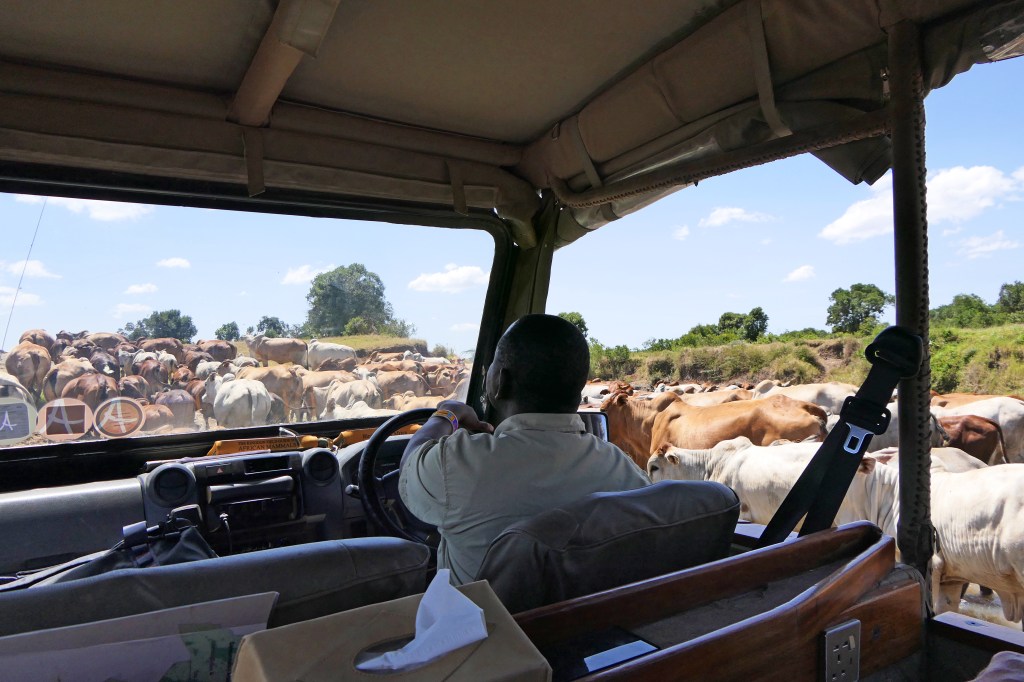
Ol Pejeta Conservancy (140 mi2) started out as a working cattle ranch in colonial Kenya, and was even owned at a time by the arms-dealer Adnan Khashoggi. Late in the 1960s Kenya was suffering with a serious poaching crisis. As wildlife populations and in particular elephants and rhinos faced a dramatic decline, the then owner recognized the problem, and in 1988 established a game reserve adjacent to the ranch and in 1992, the Chimpanzee sanctuary was built for chimpanzees rescued from the illegal wildlife trade. The Conservancy is now known for being the home of the last two Northern White Rhinos on the planet. Cattle are still raised there and freely roam amongst the wildlife while being tended by Masai tribesmen.
Our guide for our time here, Duma, was there at the airport to pick us up and take us to camp. The drive time was about an hour, but there was wildlife to be seen on the way so it took a lot longer. We were amazed at how close we were able to get to the wildlife. They have become so used to vehicles that they pay little attention to them unless they are hunting or have babies.
We had to ford a river and there was a roadblock.
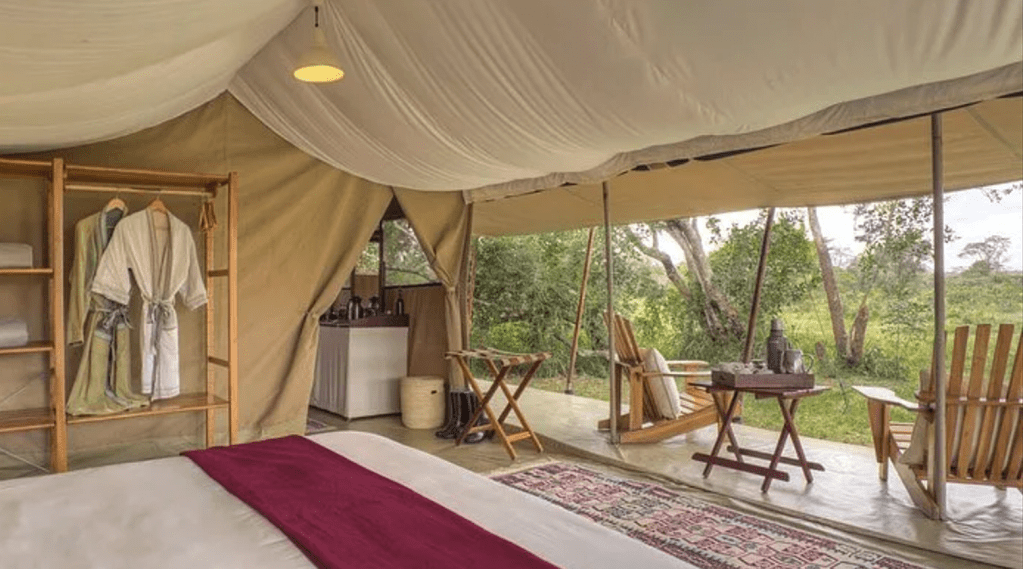
We arrived at camp to a warm greeting from the staff. Our “tent” was pretty luxurious:)
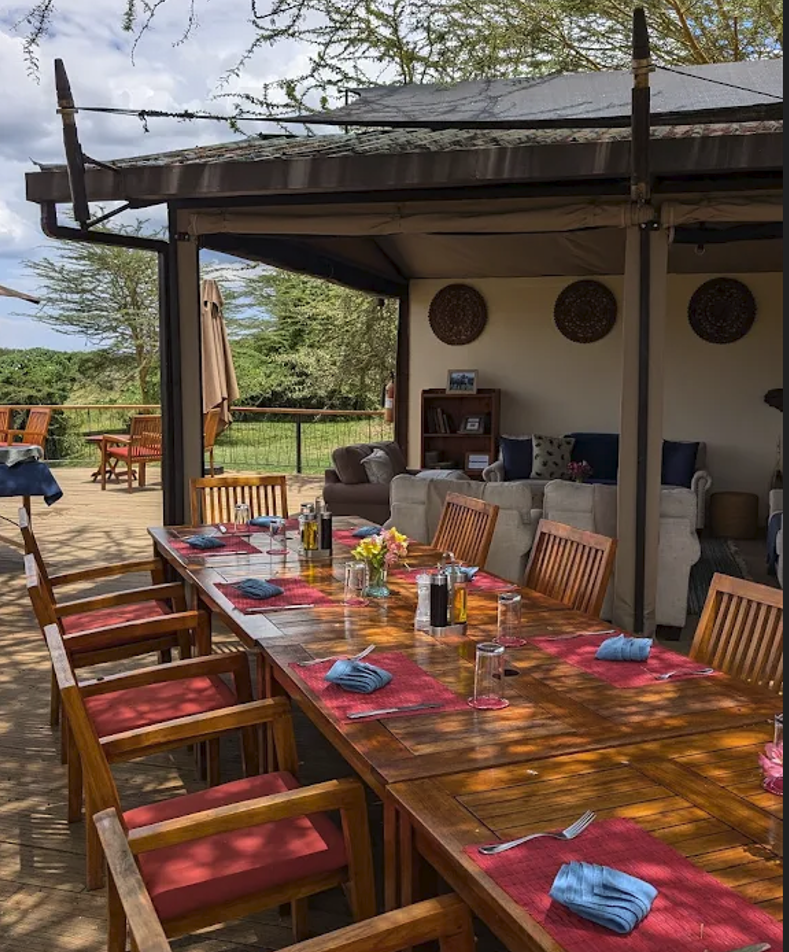
Our lunch spot in camp.
While at lunch we were treated to elephants wandering in the grass across the river.
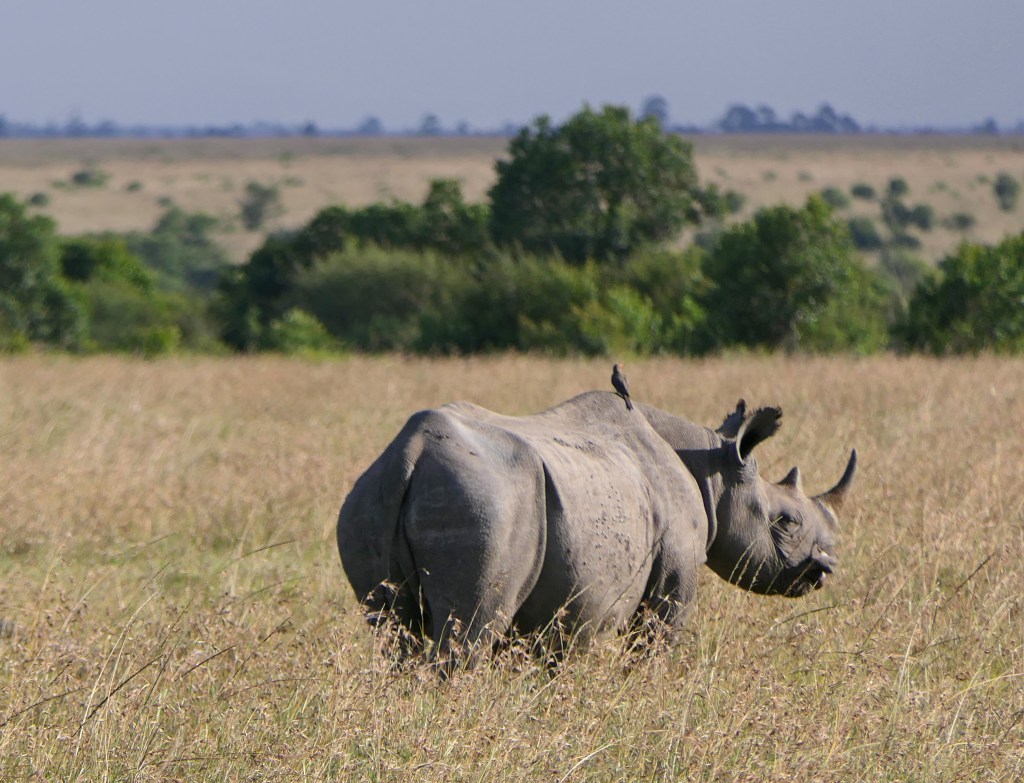
We unpacked, had a brief nap, and then were off at 3:30 for our afternoon game drive. Ol Pejeta is known for the numerous rhinoceros throughout the conservancy.
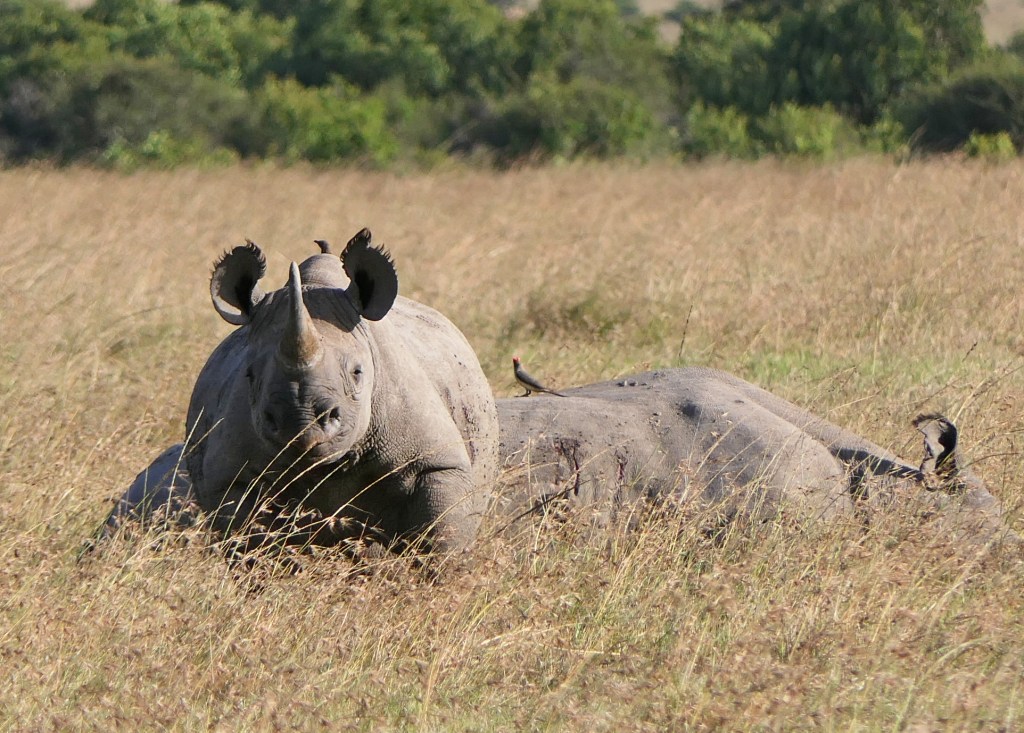
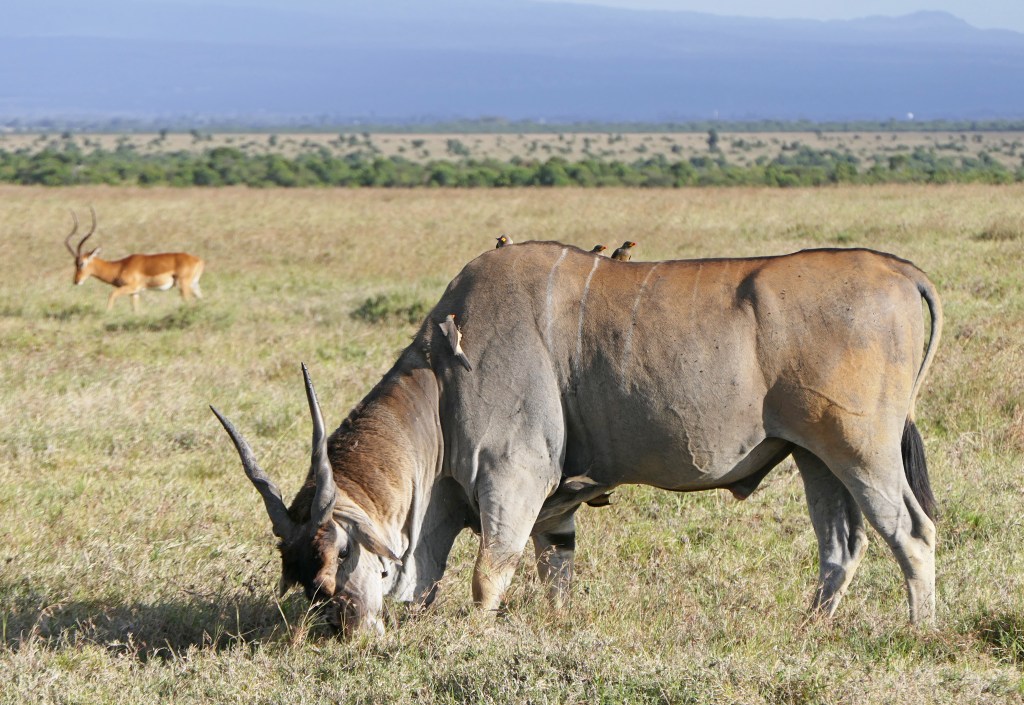
But there was plenty of other wildlife as well. A topi.
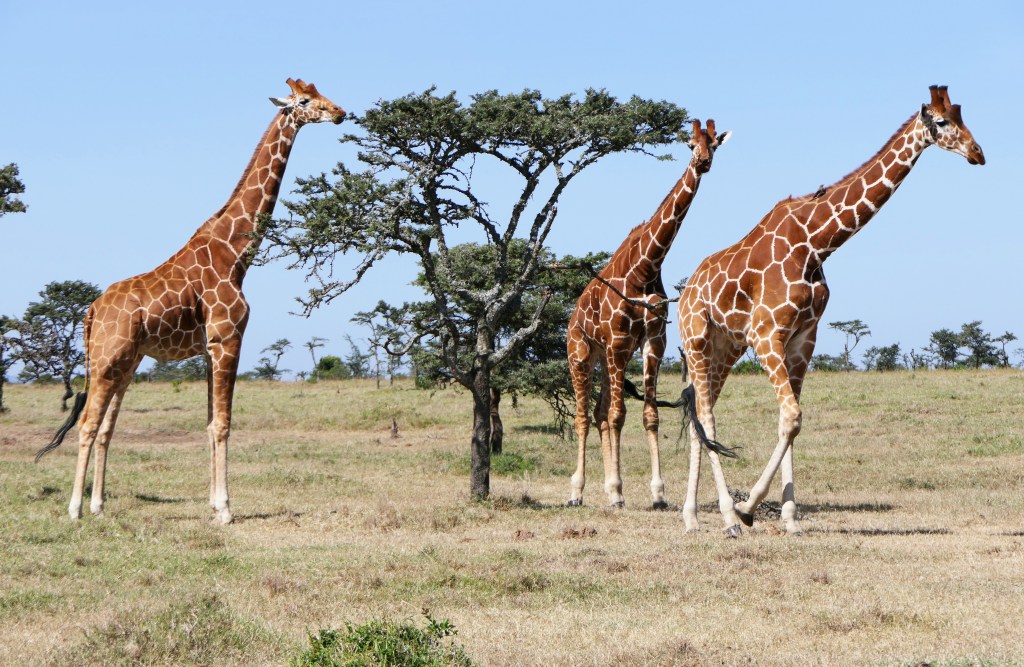
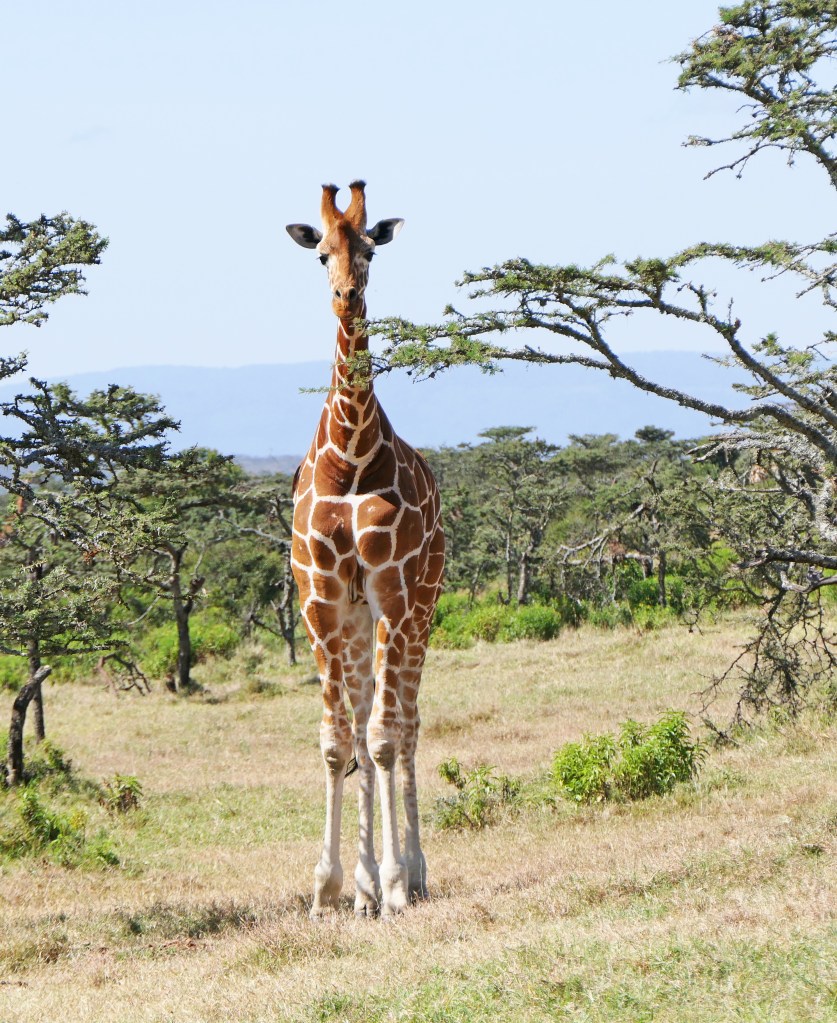
Giraffes.
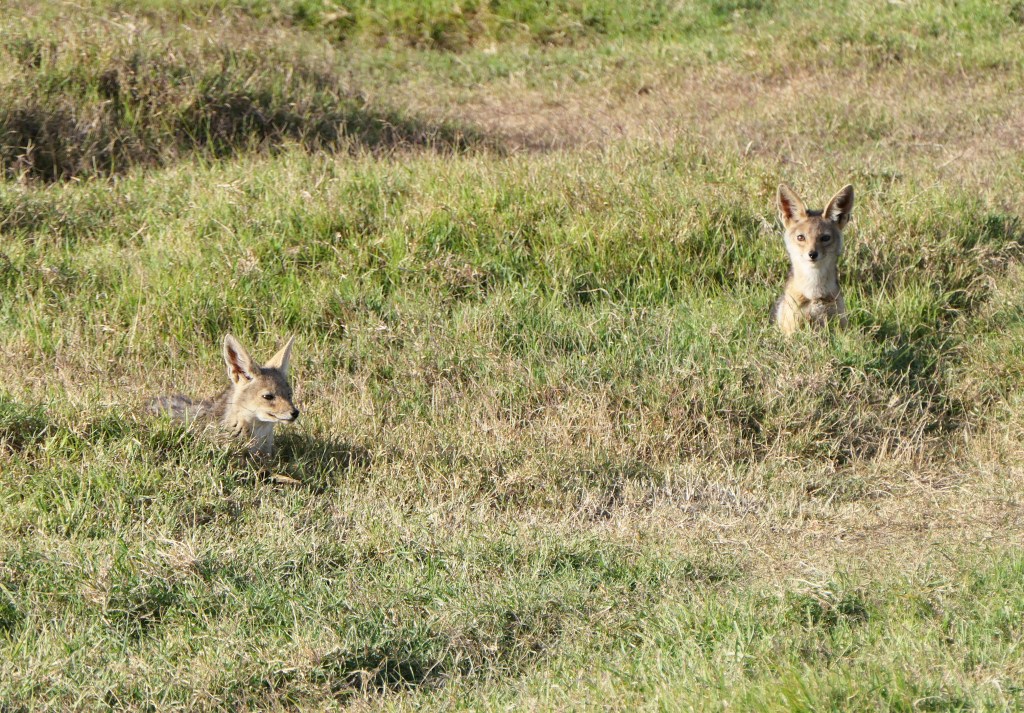
Jackals.
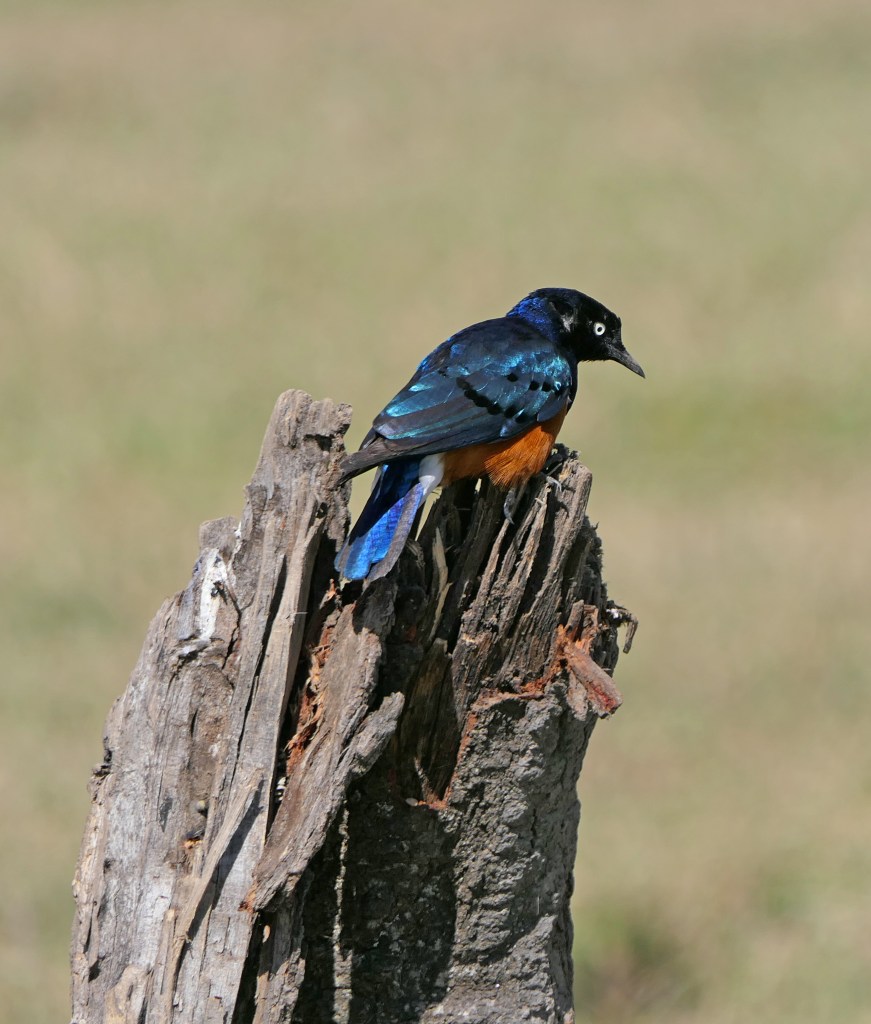
Splendid starling.
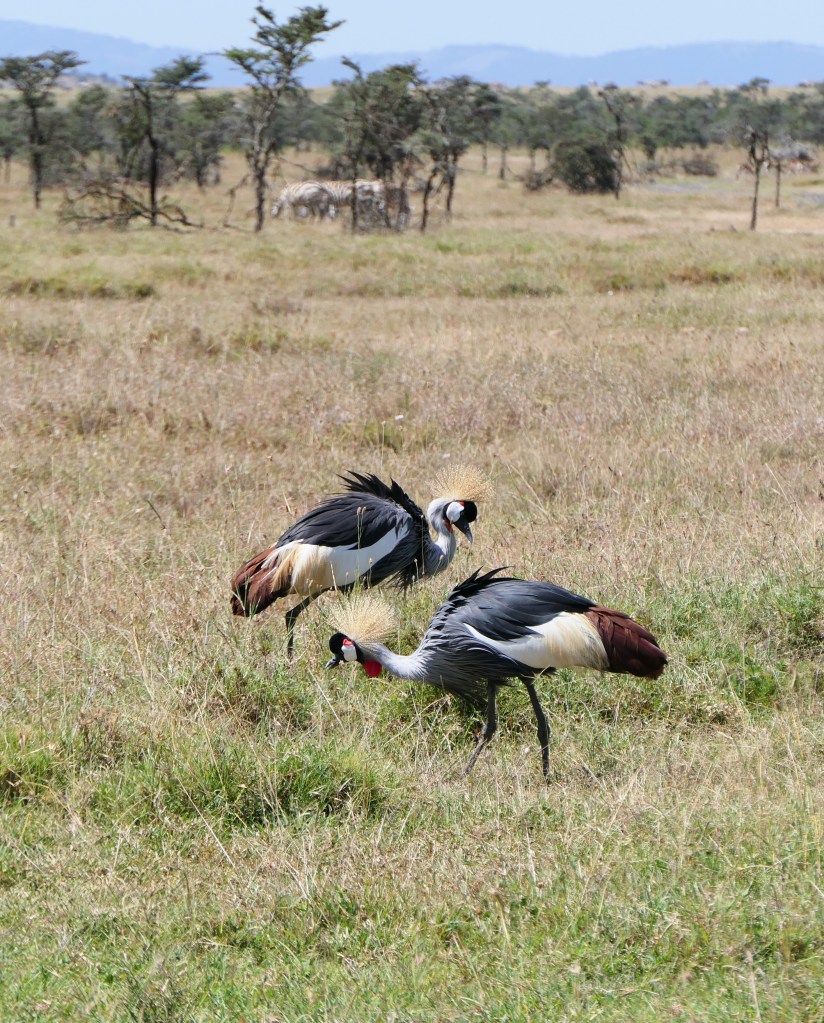
A pair of Crowned Cranes.
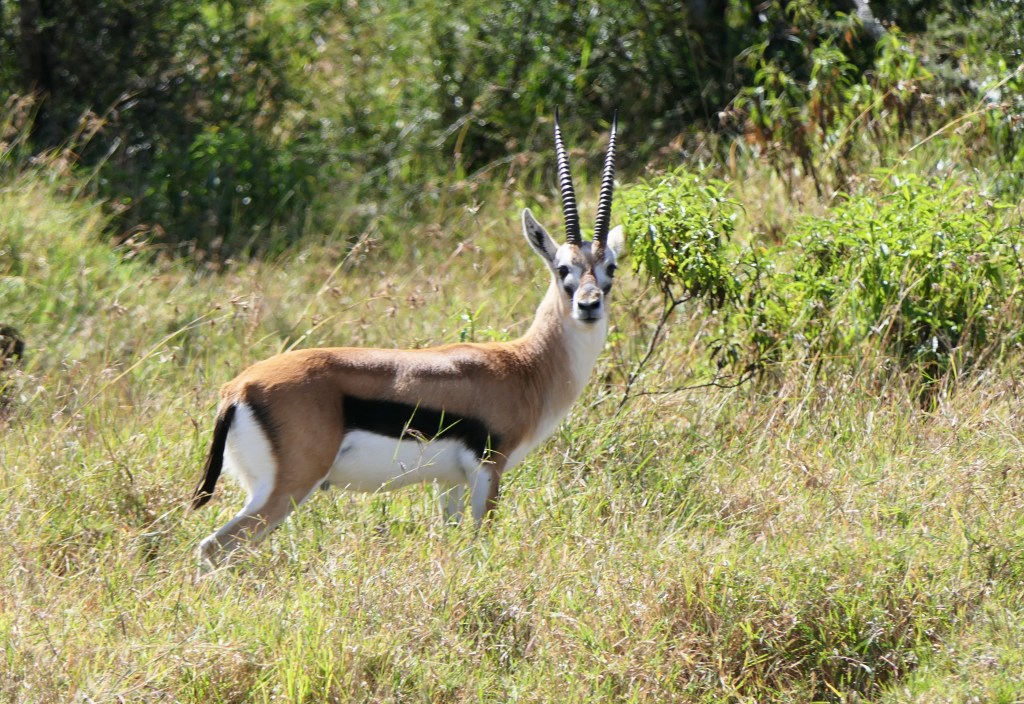
Thompson’s Gazelle.
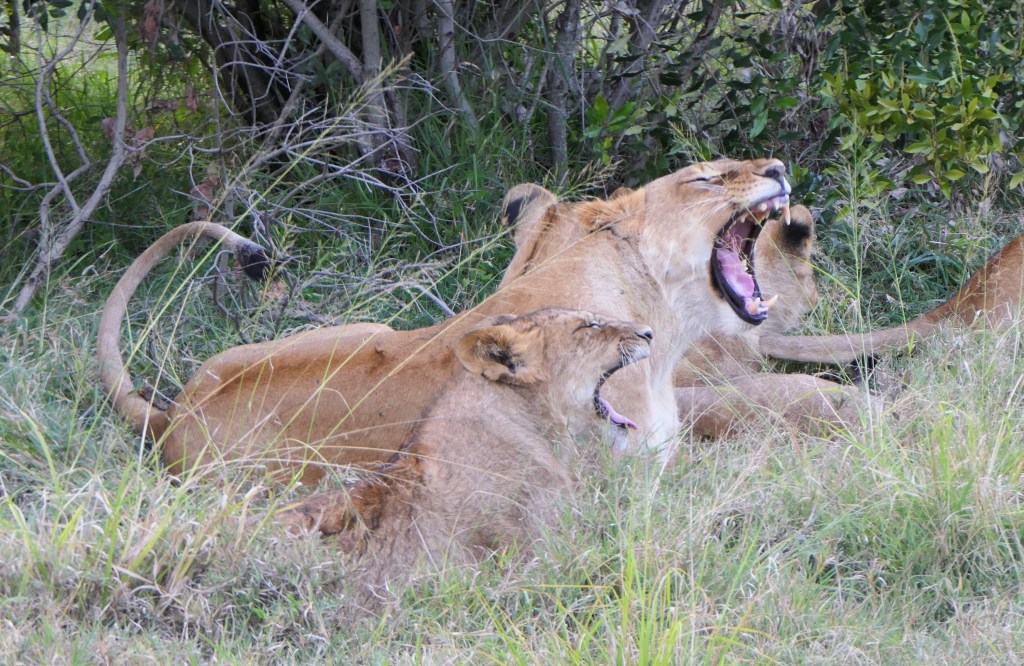
As sunset was approaching, Duma heard that a pride of lions was sighted so off we went to scour the bush looking for them. I caught a movement under a tree and there they were, waking up from their afternoon nap. There were four females and cubs and subadults, 12 in all. The cubs were getting rambunctious, playing with each other and the adults.
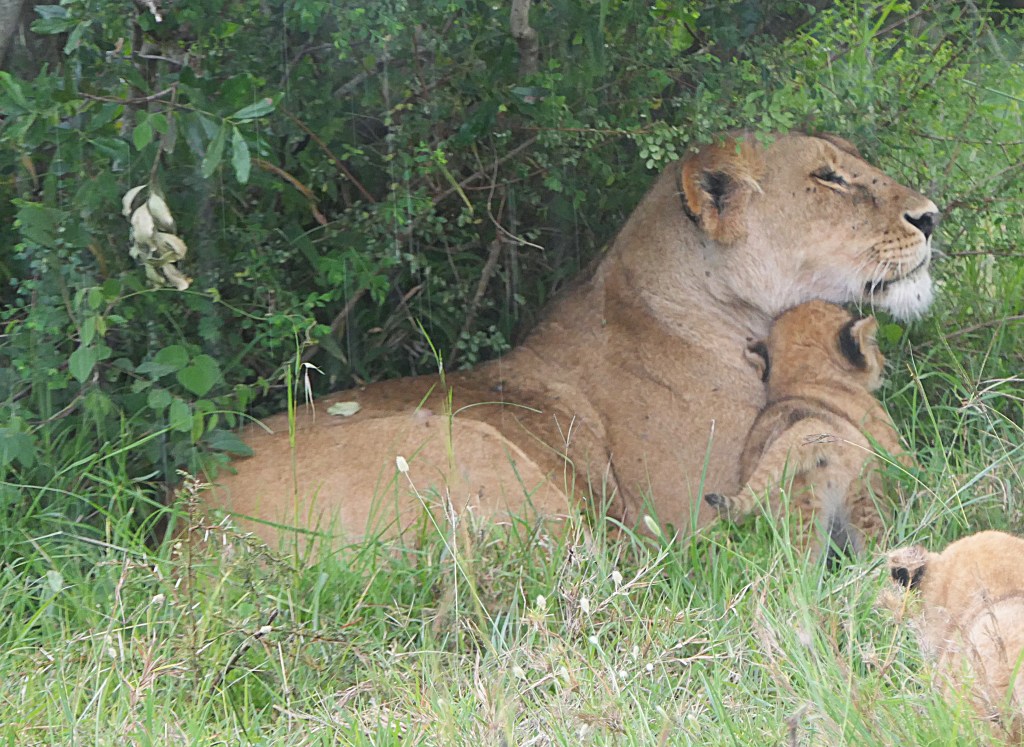
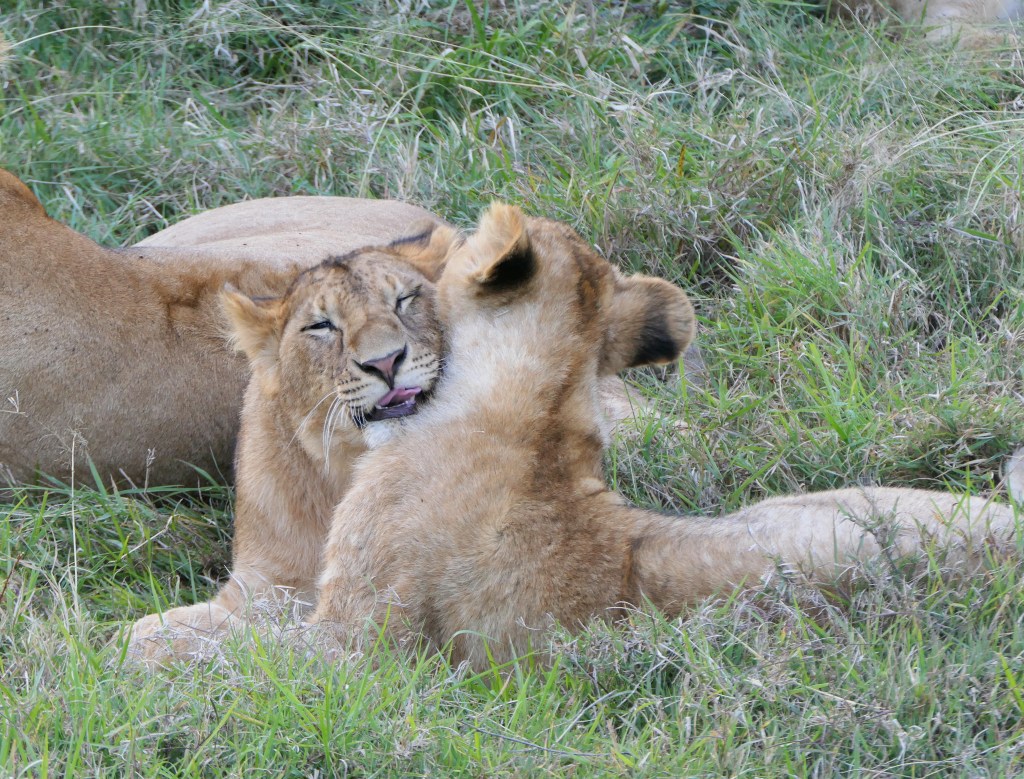
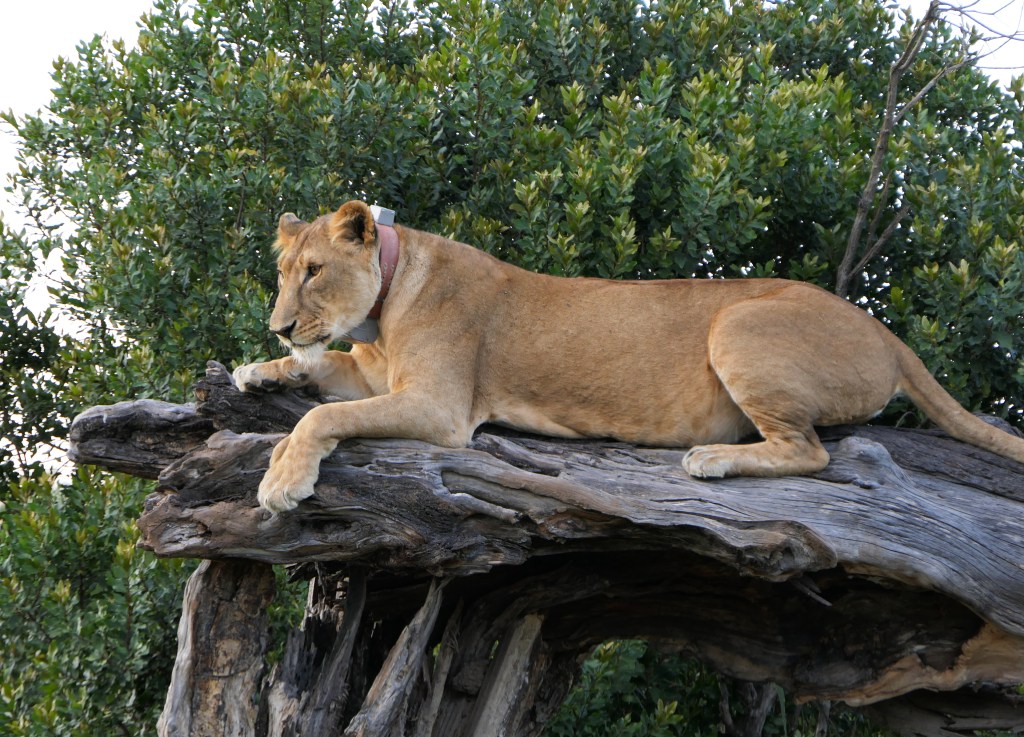
As the sun sunk began to set the pride went off to start their evening activities. This female had a radio collar.
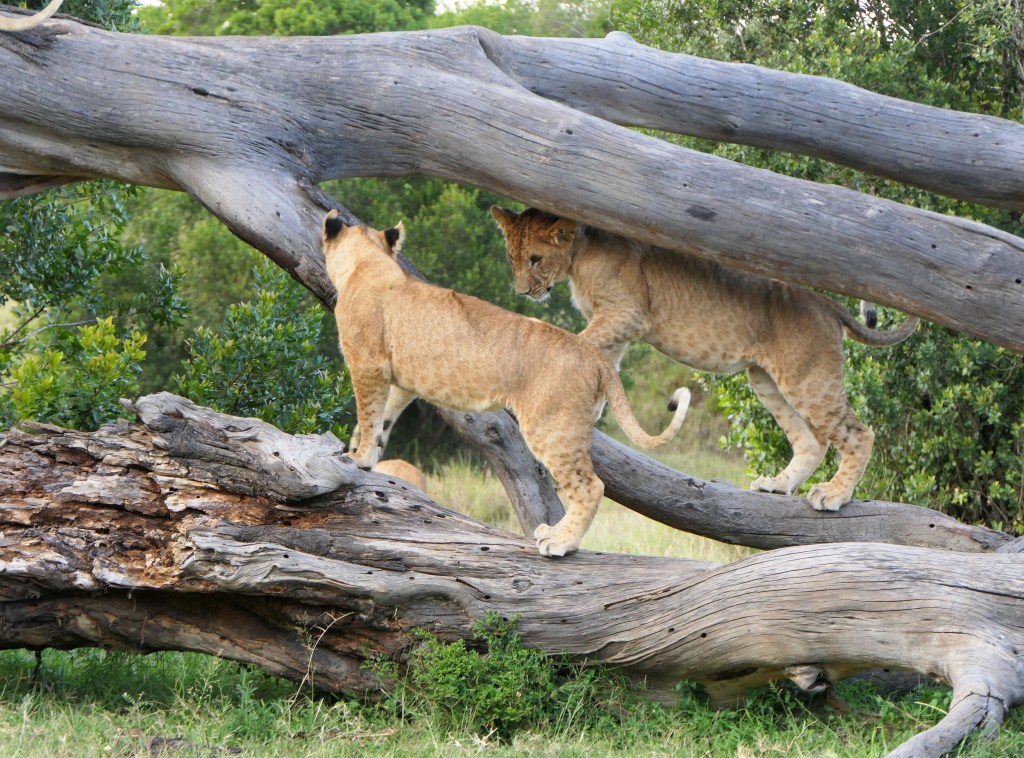
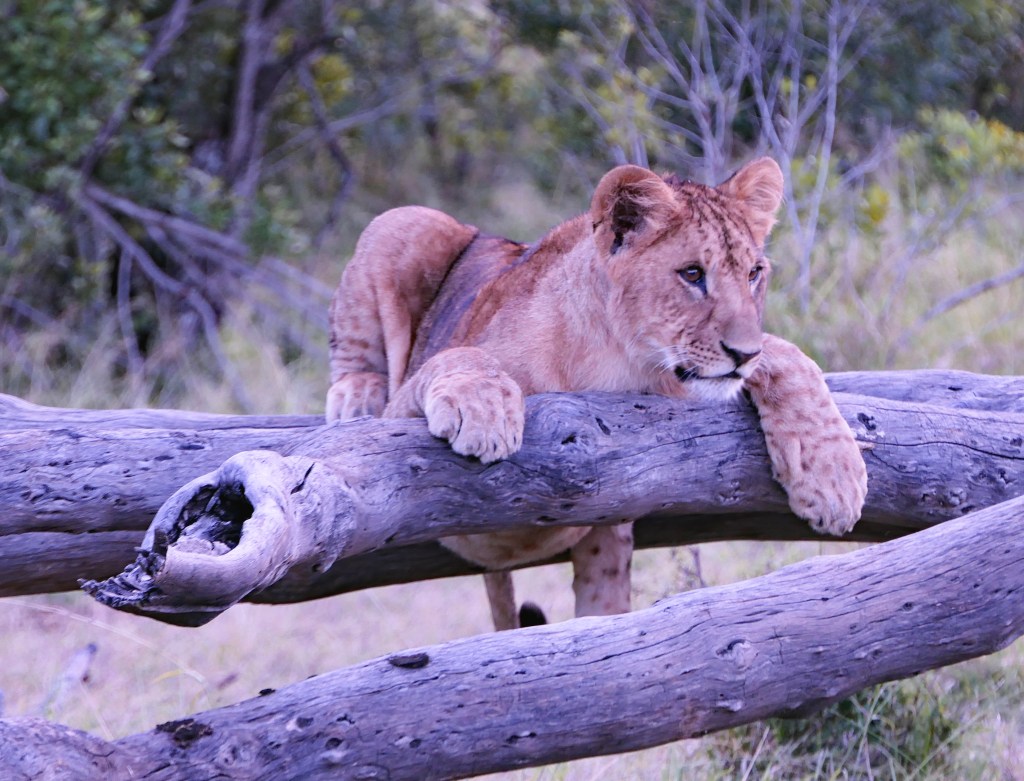
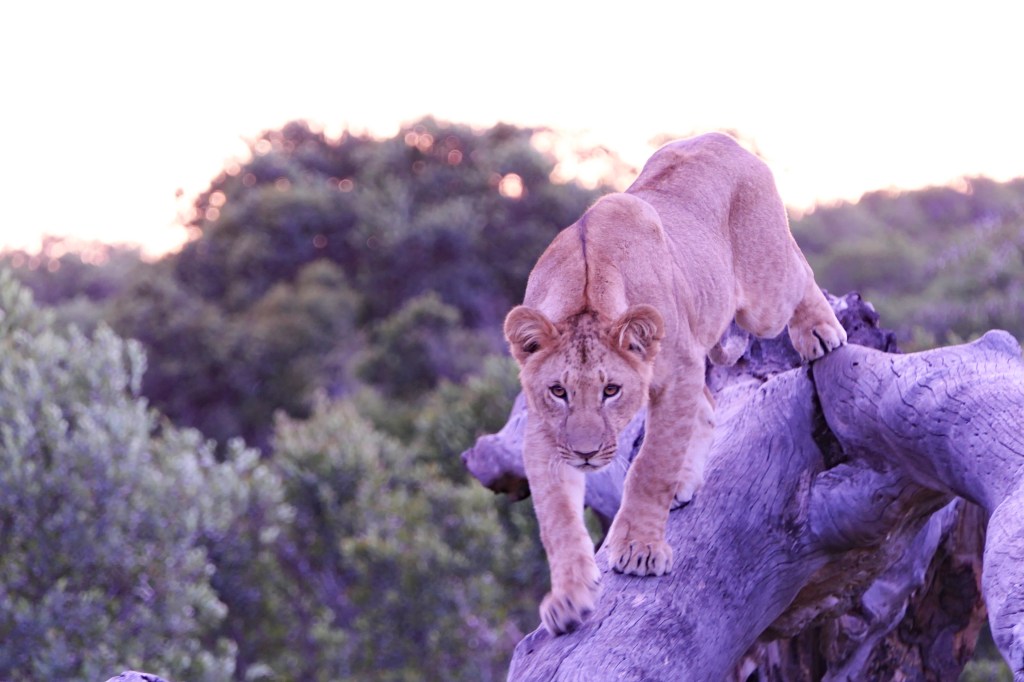
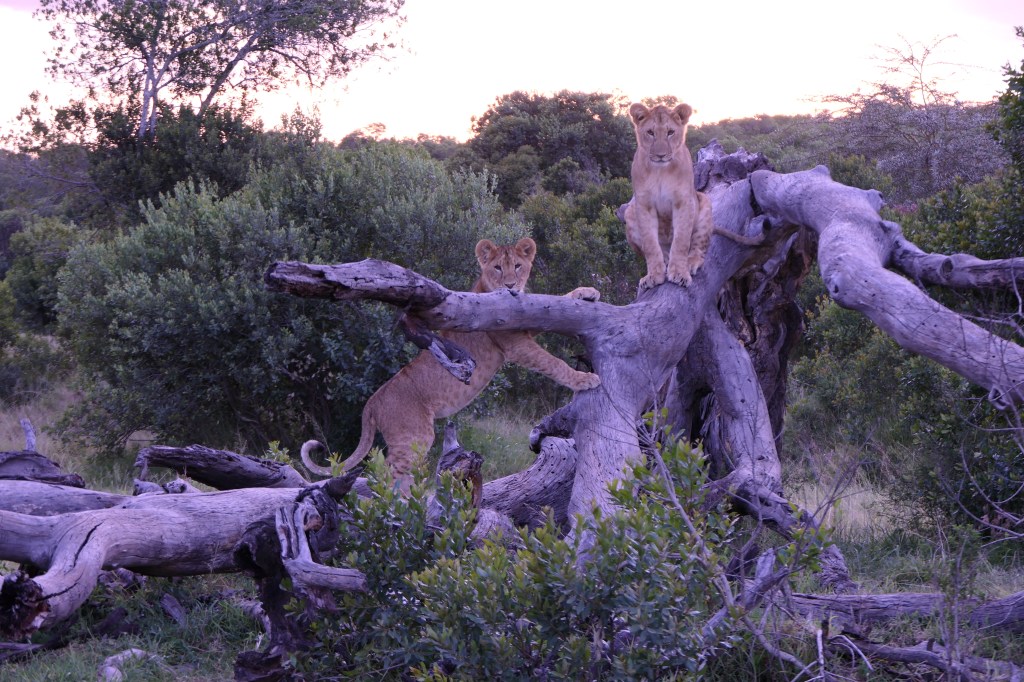
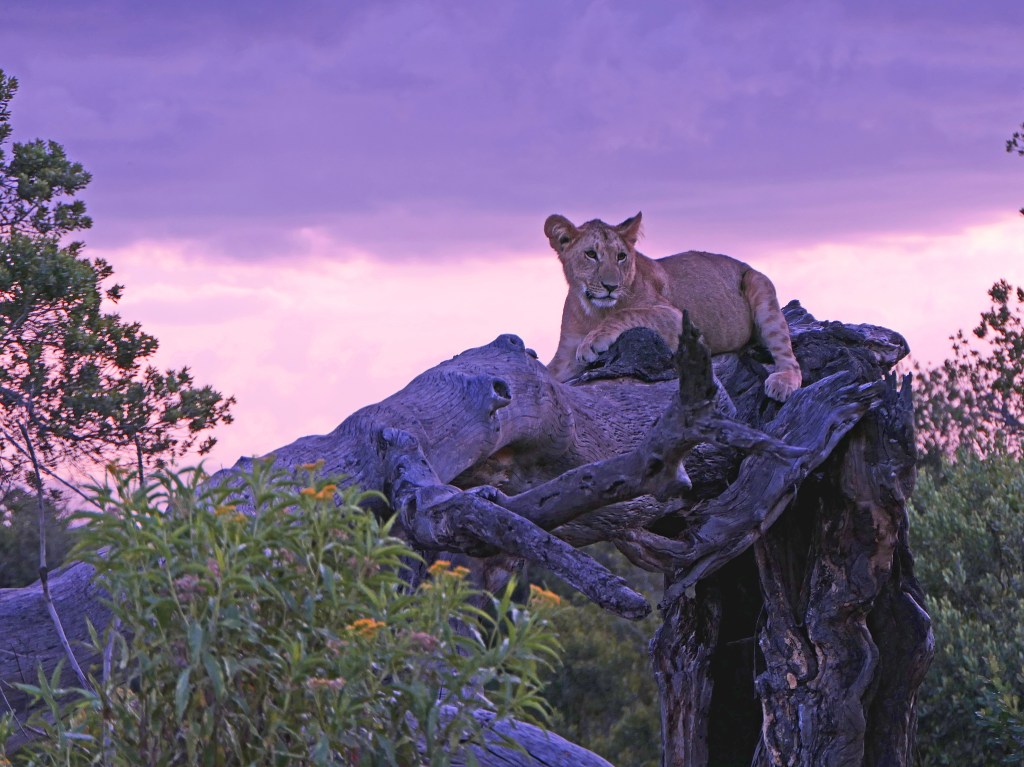
Then it was time to leave them and find a spot to have our “sundowners” -cocktails by the jeep, and watch the sunset before returning to camp for dinner.
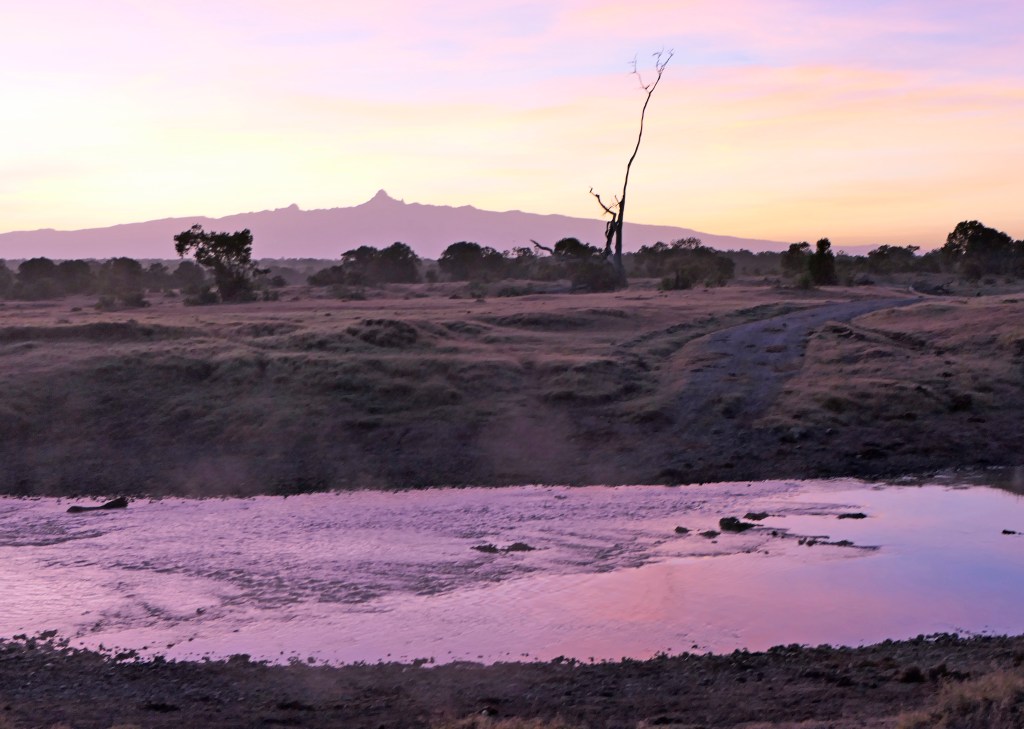
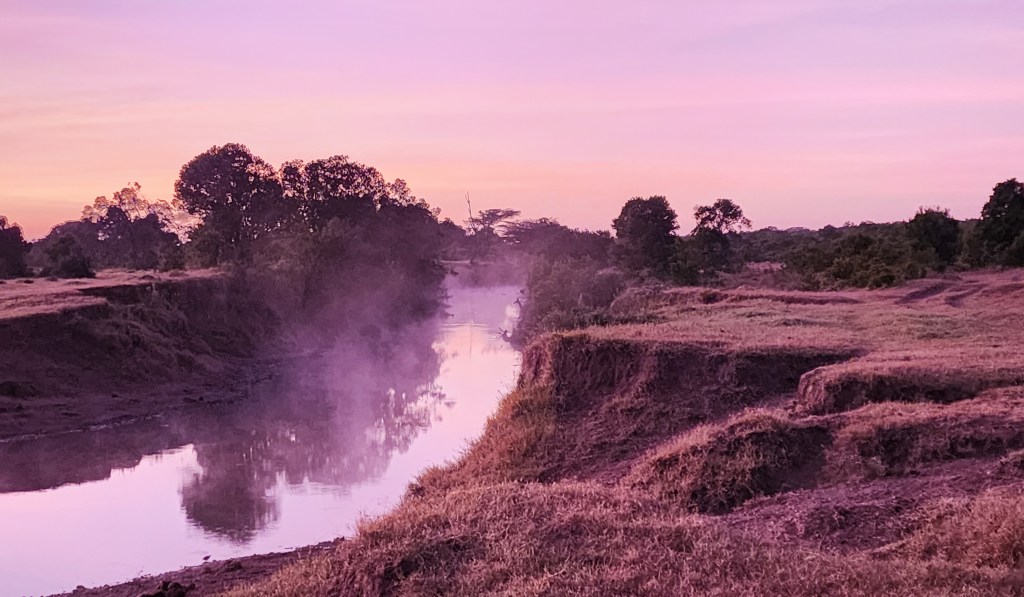
The next morning started bright and early at 6:15 am and COLD! After having coffee and juice delivered to our tent, our escort arrived to take us to the jeep. This camp has an electric fence, however wildlife are still able to come and go so when it was dark we always had a guide. We piled into our jeep with Duma who brought us fleece-lined ponchos to stay warm. And off we went to see what we could see.
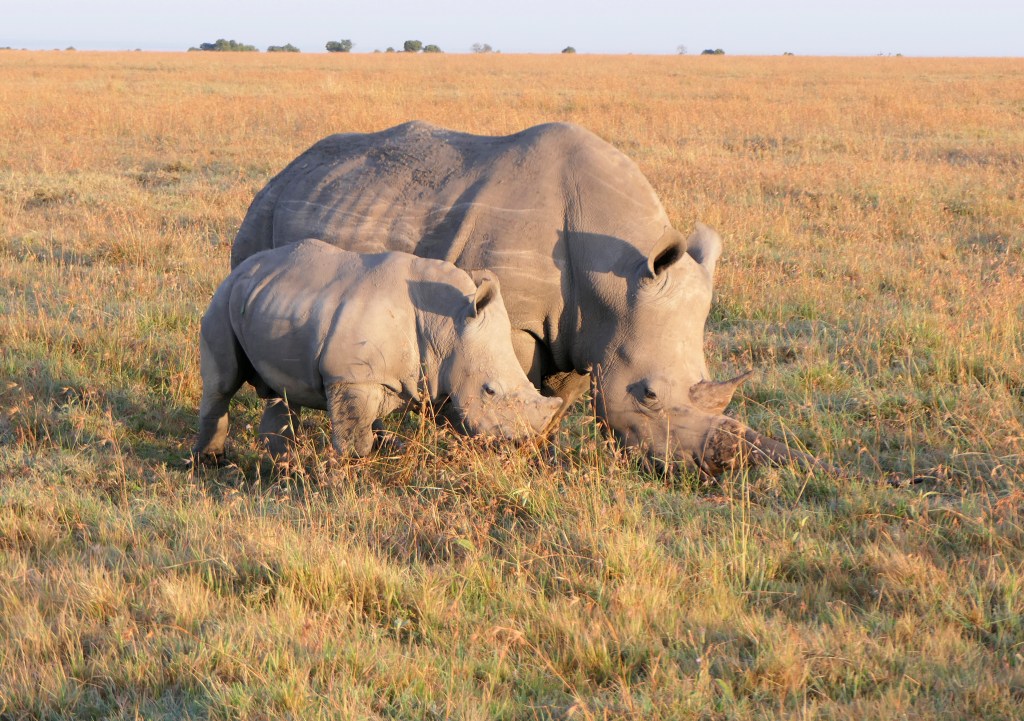
Mom and baby Southern white rhinos. Rhinos are the second largest land mammal; only the elephant is larger and heavier.
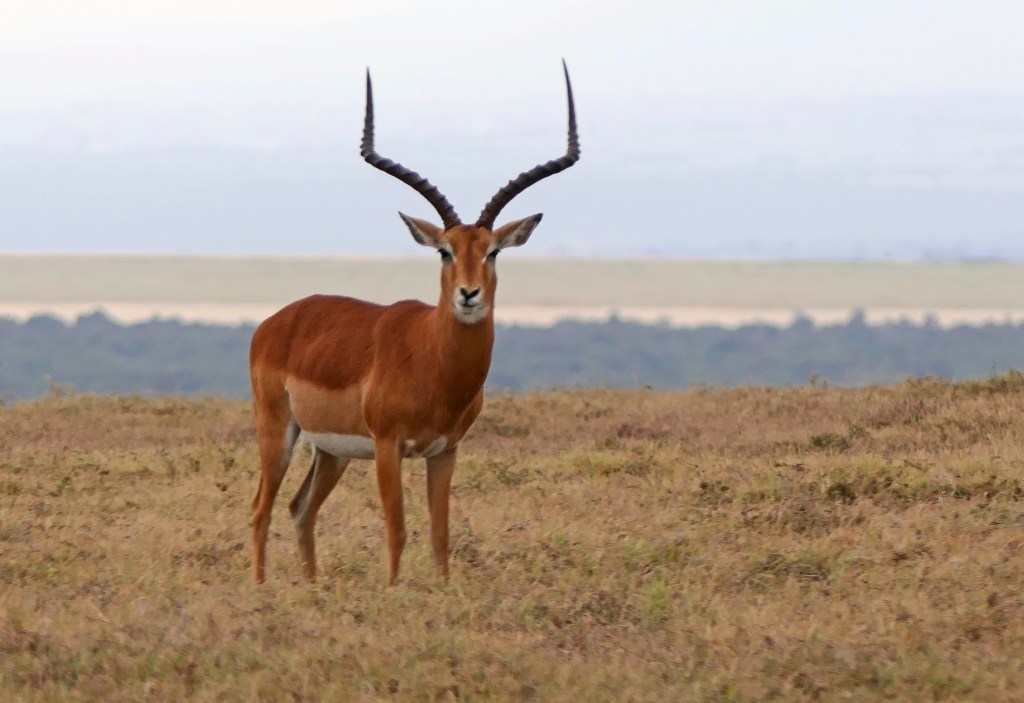
An impala.
Another topi.
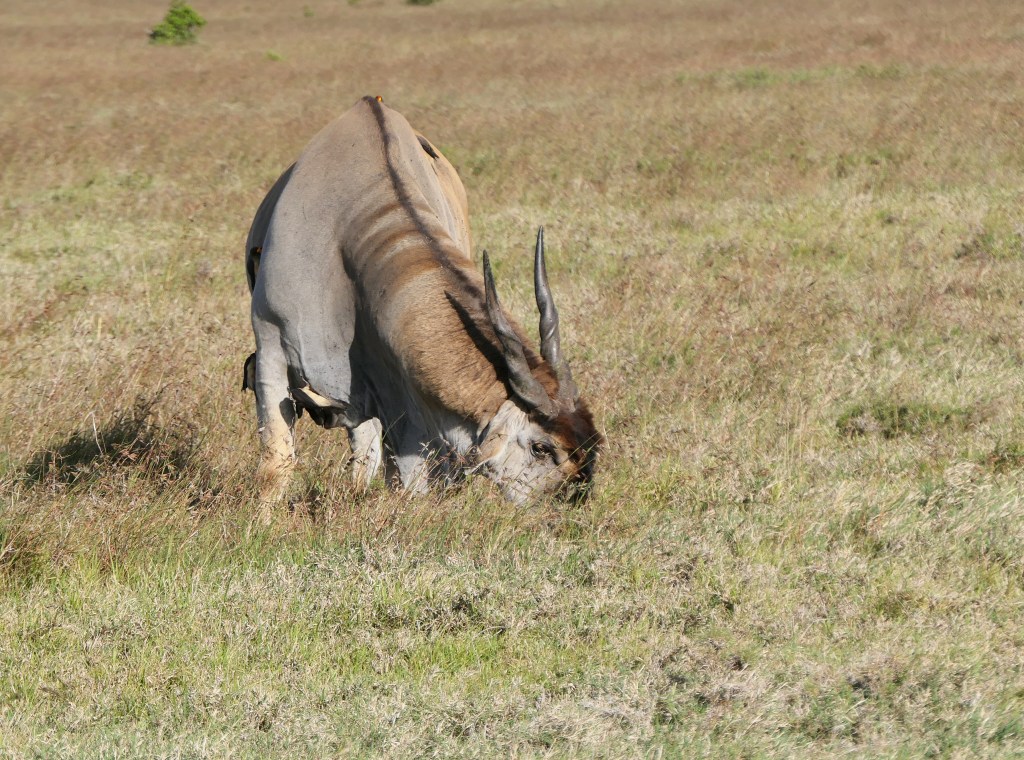
It was time to keep our appointment with the last two remaining Northern White rhinos in the world, Najin and Fatu, both of which are female. But first, a visit to the memorial and graveyard for the Northern White Rhinos that have died, both from poaching and natural causes.
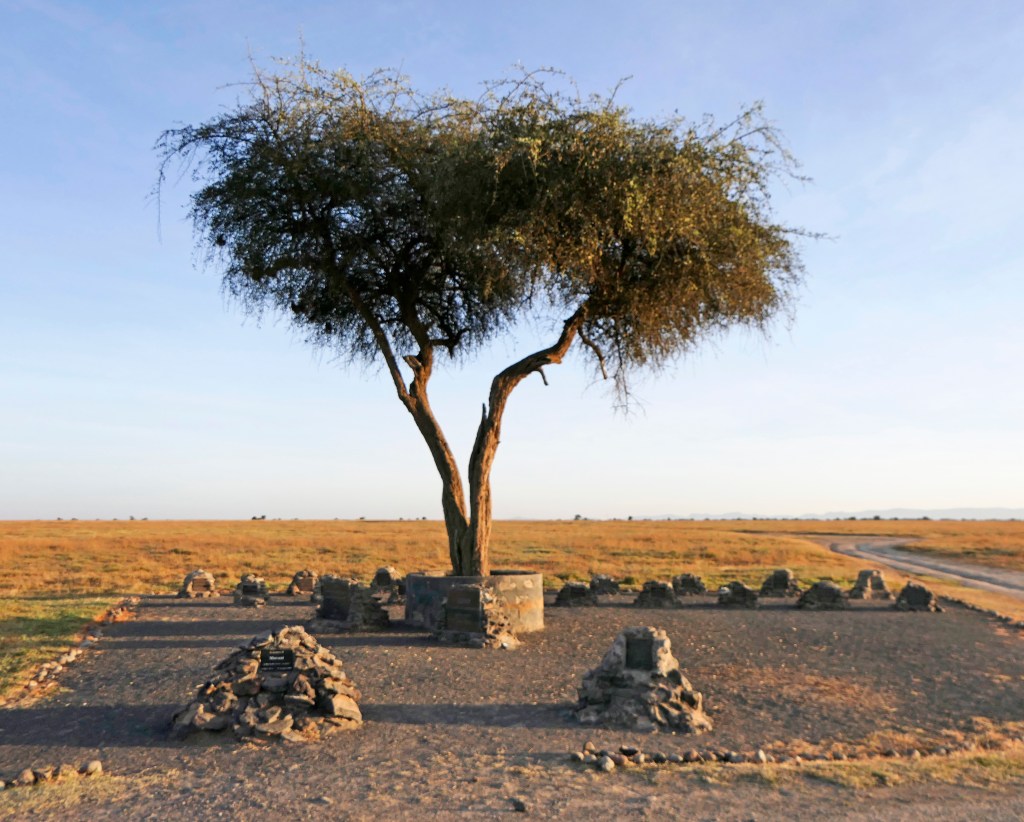
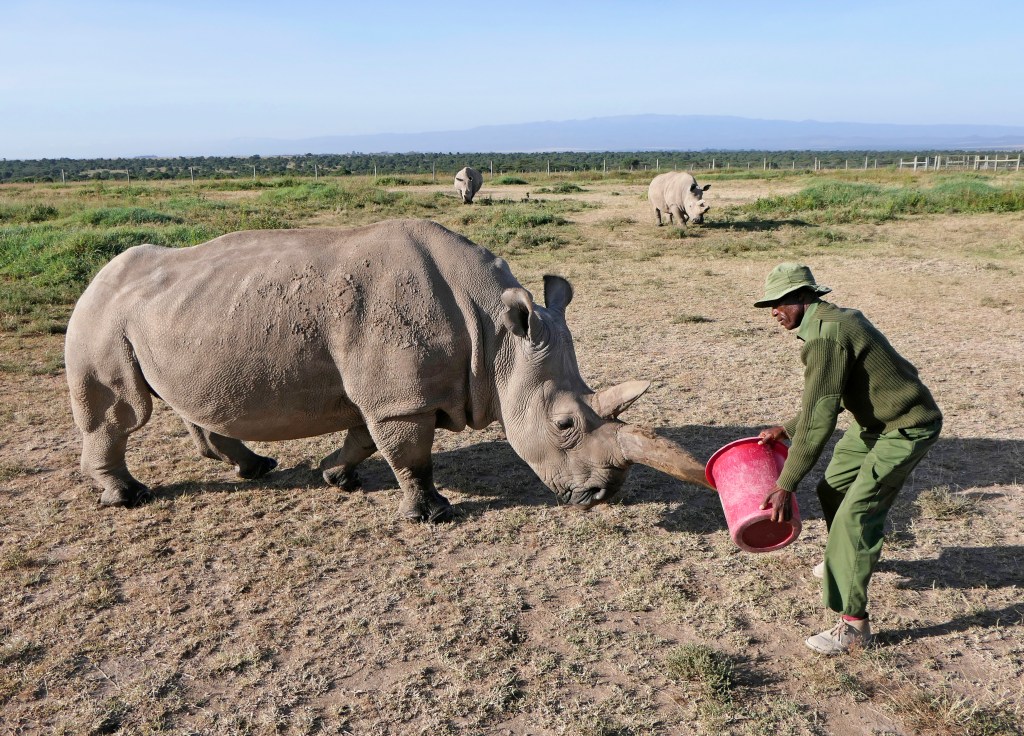
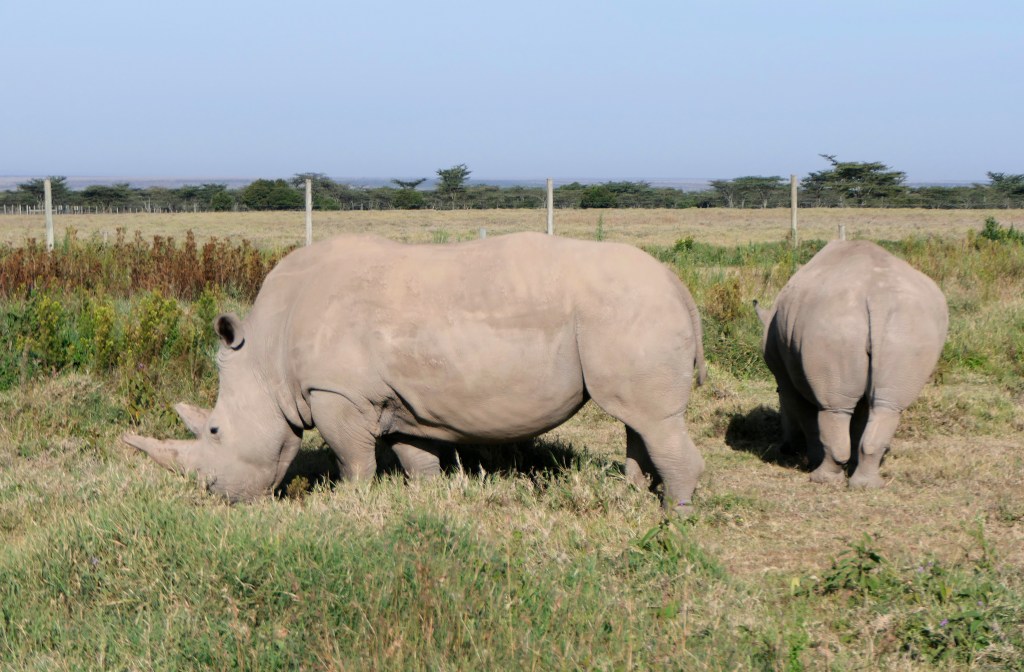
Najin, a female, was born in captivity in 1989. She is the mother of Fatu. Her mother was Nasima and her father was Sudan. Fatu was born in captivity in 2000. Her mother is Najin and her father was Saut.
They both belong to a zoo in the Czech Republic, but live here in the Conservancy. They arrived at the conservancy in December 2009, along with two male northern white rhinos from the zoo, Suni and Sudan. However, Suni, born at the zoo in 1980, died from natural causes at the Conservancy in 2014. Sudan, caught from the wild in 1975, died on 19 March 2018. They were and are under a 24-hour guard due to the poaching of rhinos for their horns.
Efforts to have them breed with each other and with Southern White Rhinos both failed and it was determined that neither female could bear young. However, eggs were harvested from both females and sperm had been frozen from the males prior to their death, and some eggs were fertilized successfully with the sperm. The embryos have been stored in liquid nitrogen since 2020. Their keeper told us that this year, as soon as some of the enclosed wild female Southern White Rhinos come into season, the embryos will be implanted in the surrogates with hopes of some baby Northern White Rhinos in the future. The two girls live with a female best friend, a Southern White Rhino.
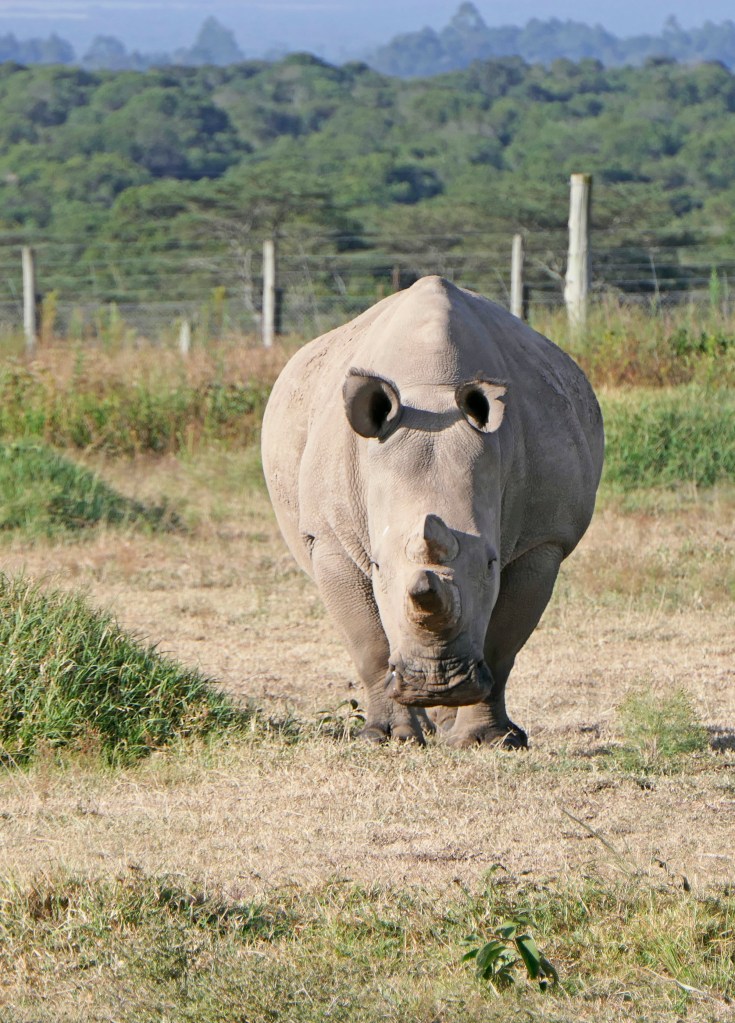
Then it was time to leave and continue our morning drive.
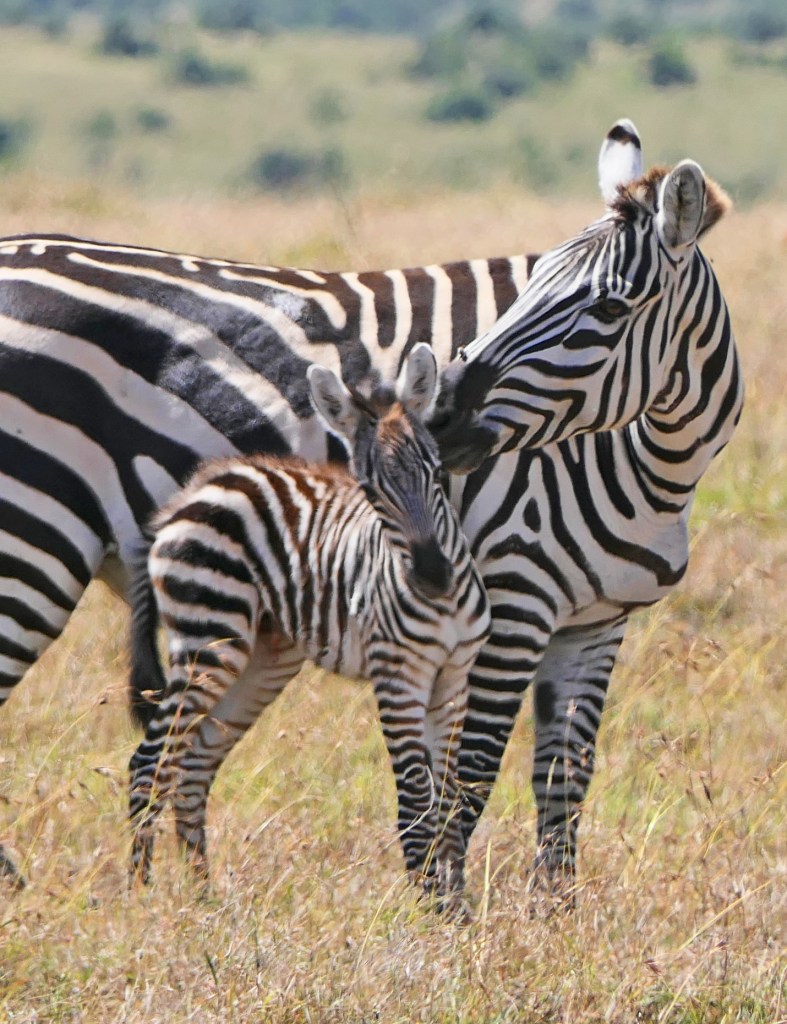
A zebra mom and baby.
We came to a large wetland that had a number of inhabitants.
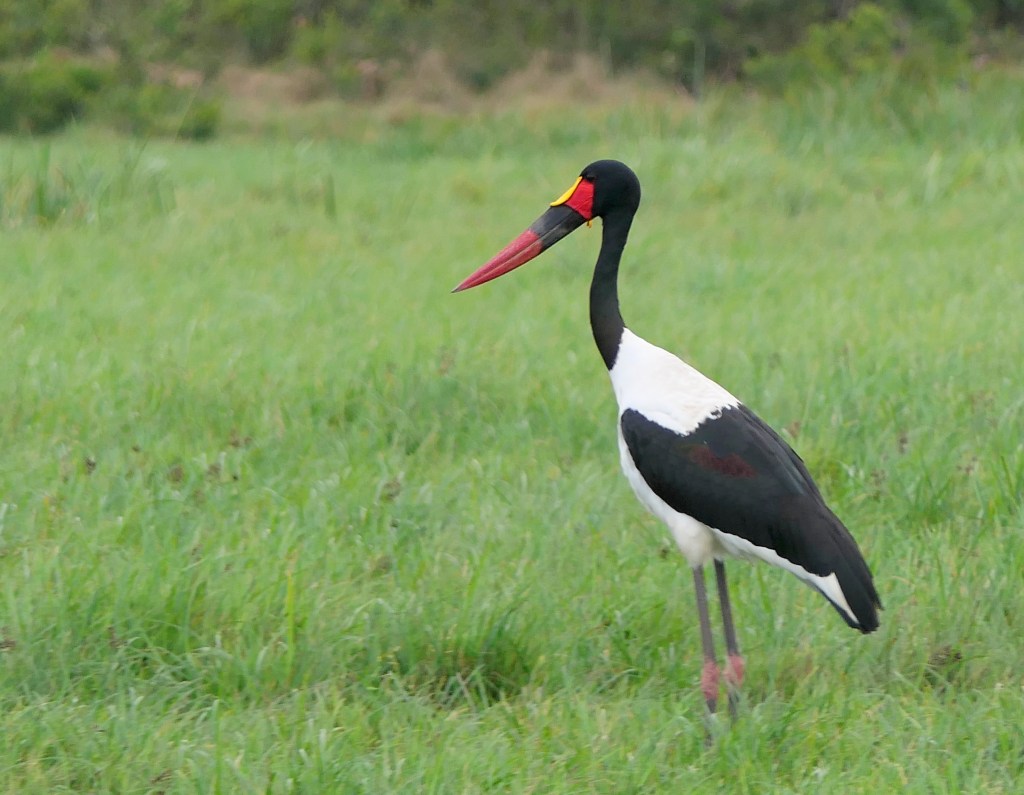
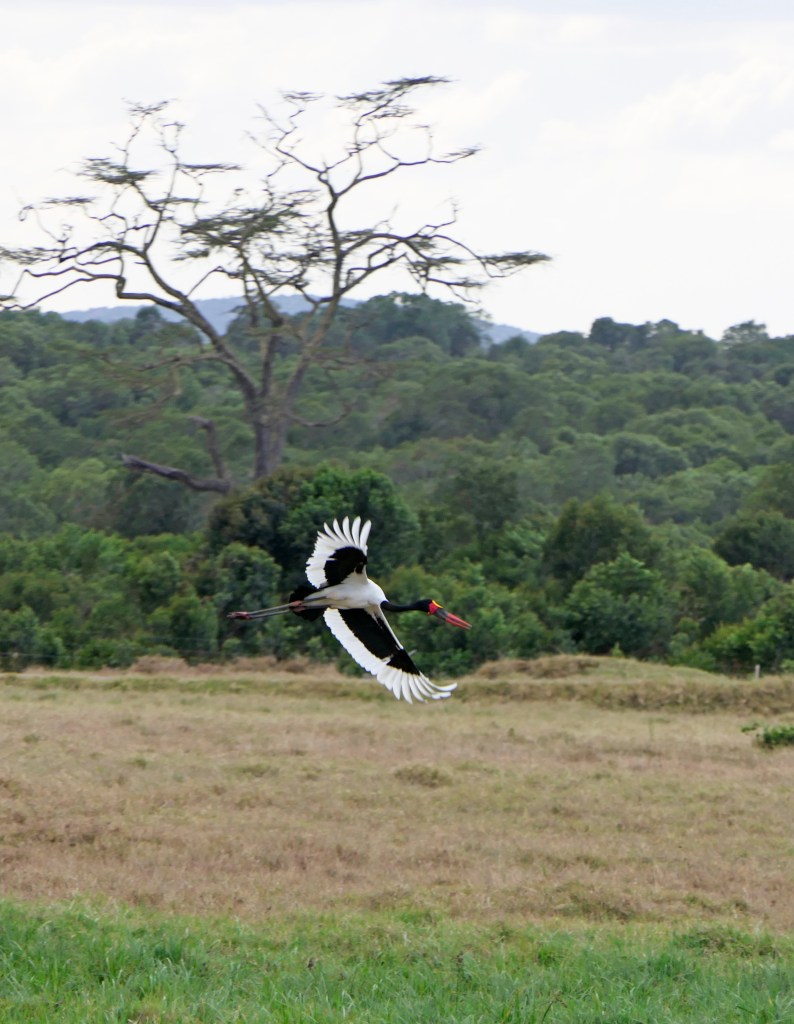
Saddle-billed Stork.
Olive Baboons. They carry their babies on their backs.
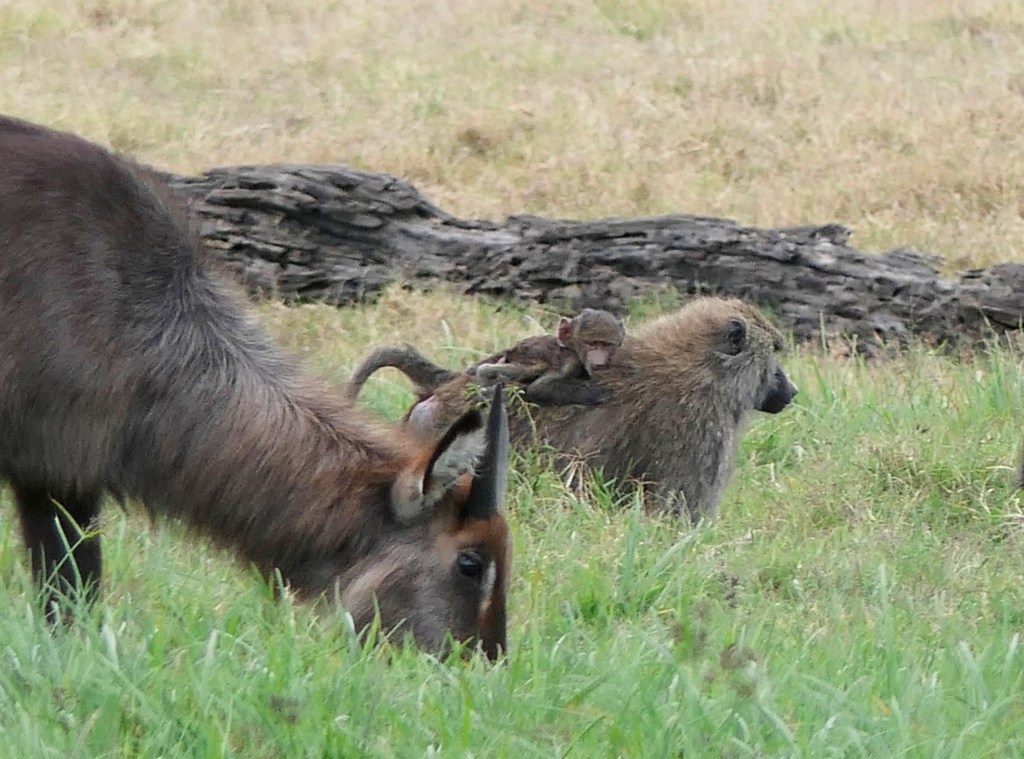
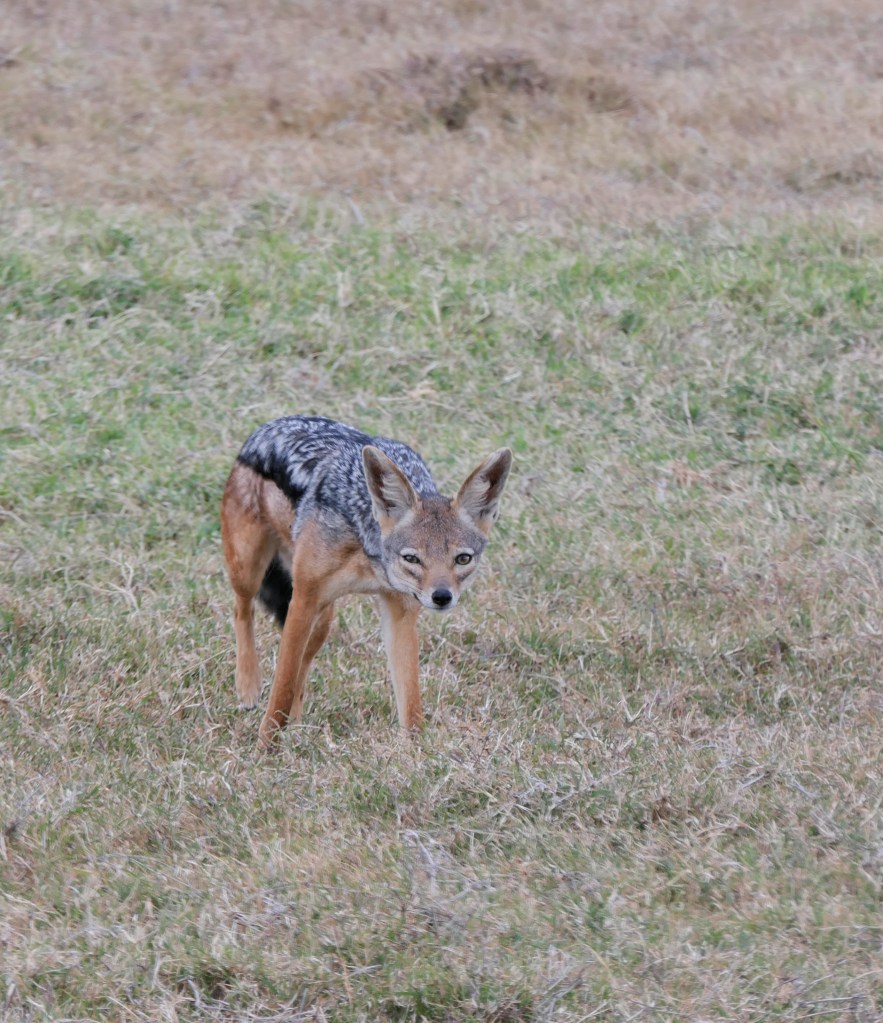
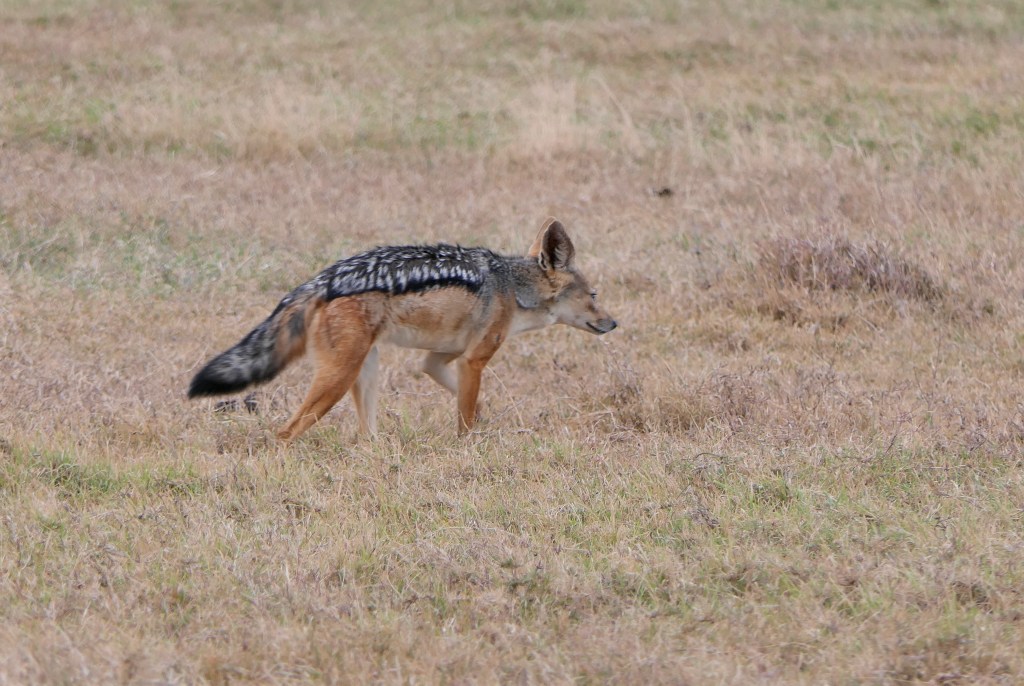
A jackal on the hunt.
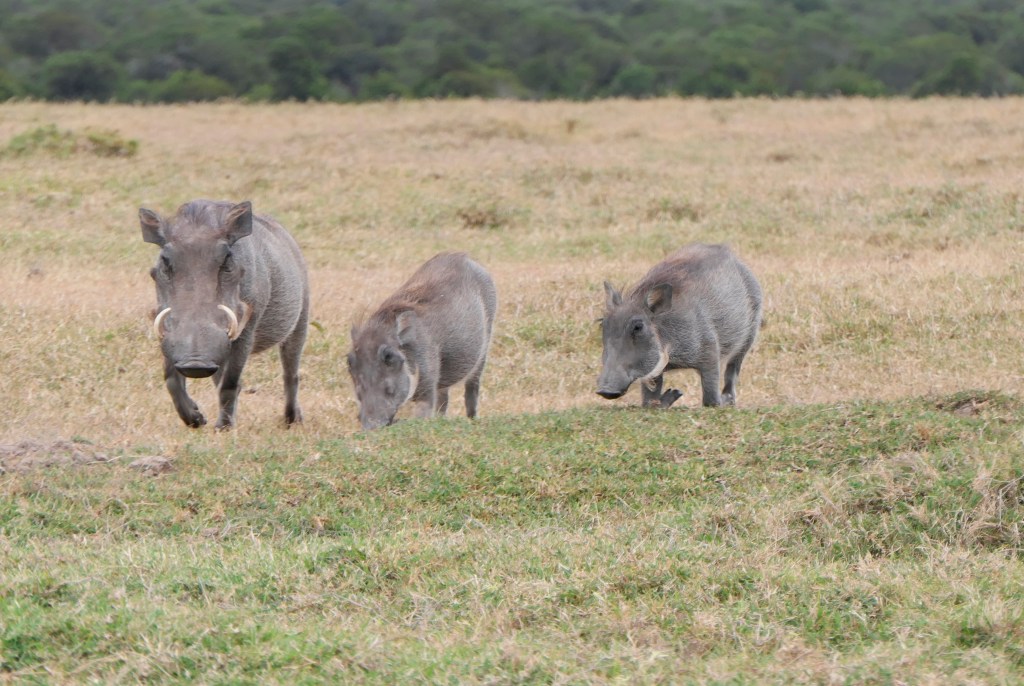
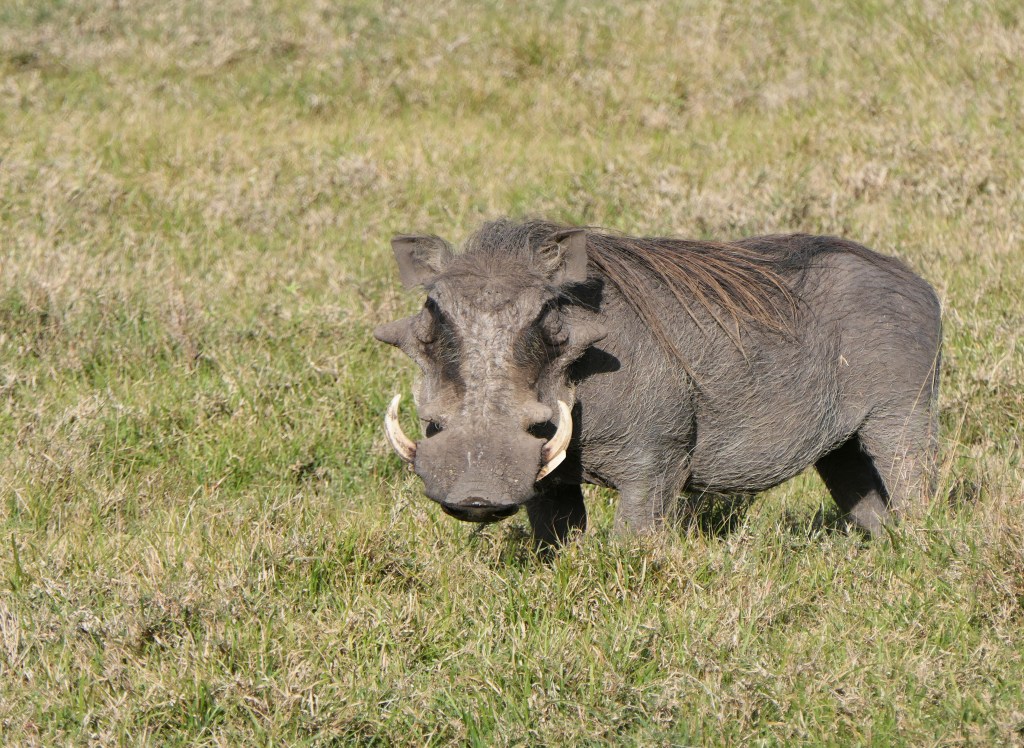
Duma moved us on to another area where we saw African warthogs, otherwise referred to as “pumbaas.” That is the word for idiot in Swahili, and if you remember The Lion King, it was the name of the warthog character. They are the comedians of the plains.
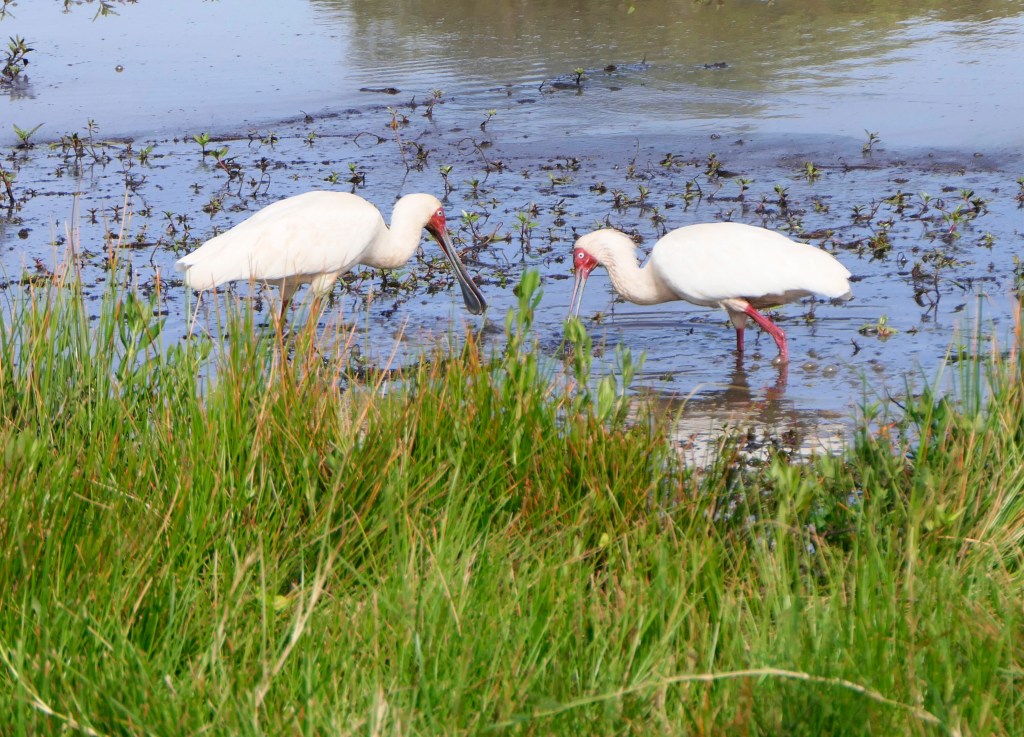
African Spoonbills.
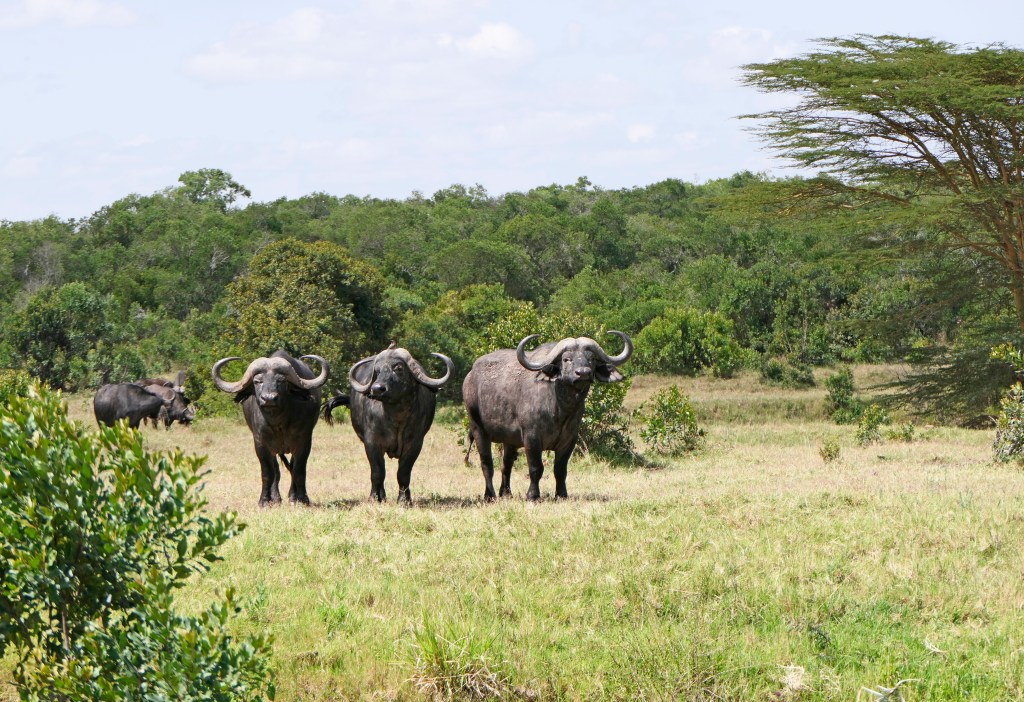
African Buffalo. We dubbed them the three stooges 🙂
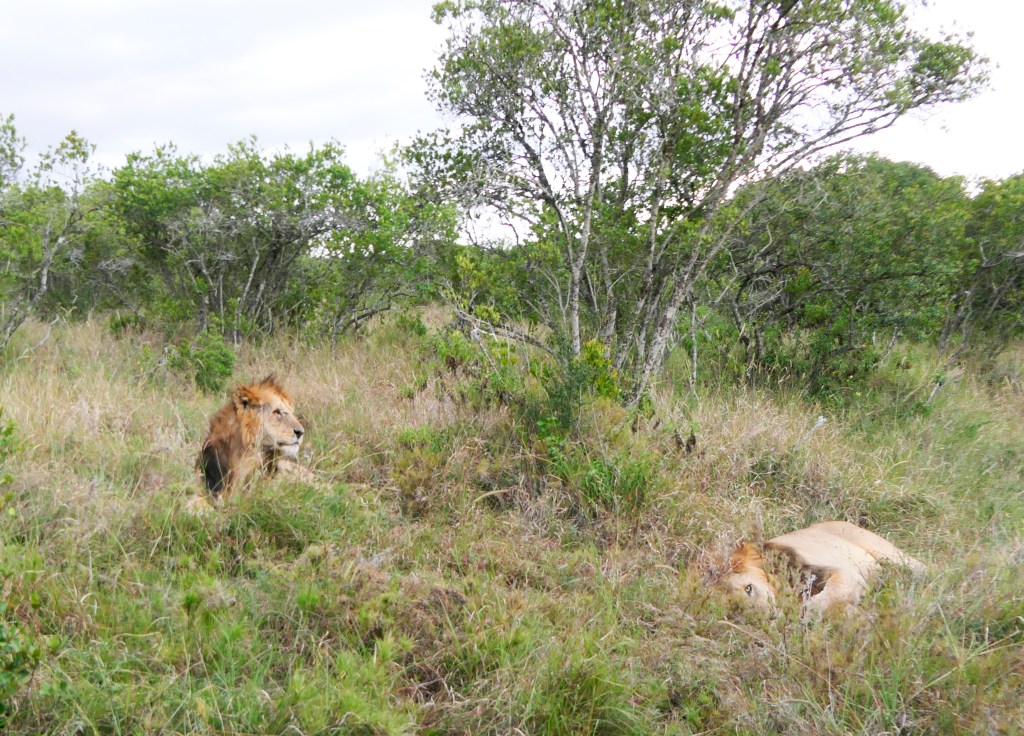
We found another pride of lions, this time with two males.
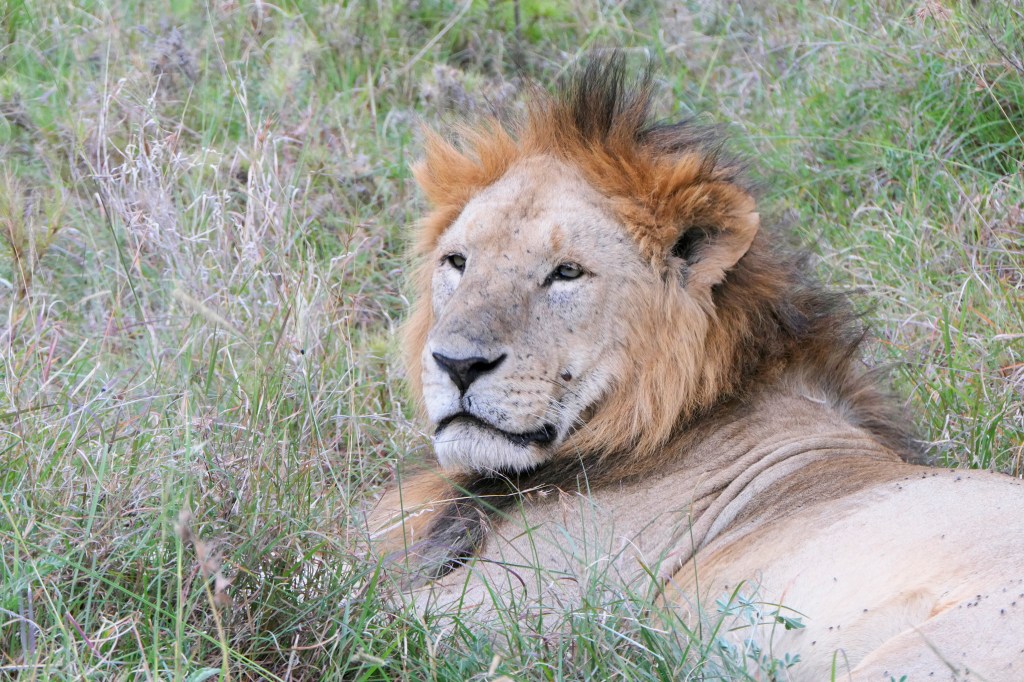
We came to find out that lions do a LOT of yawning.

This was a very large pride.
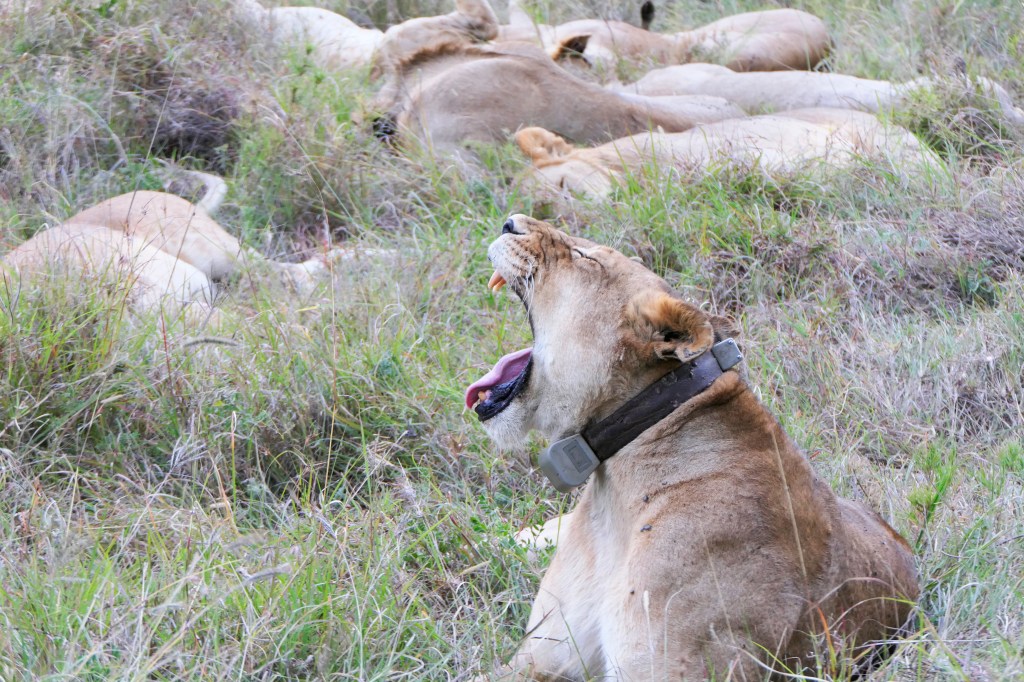
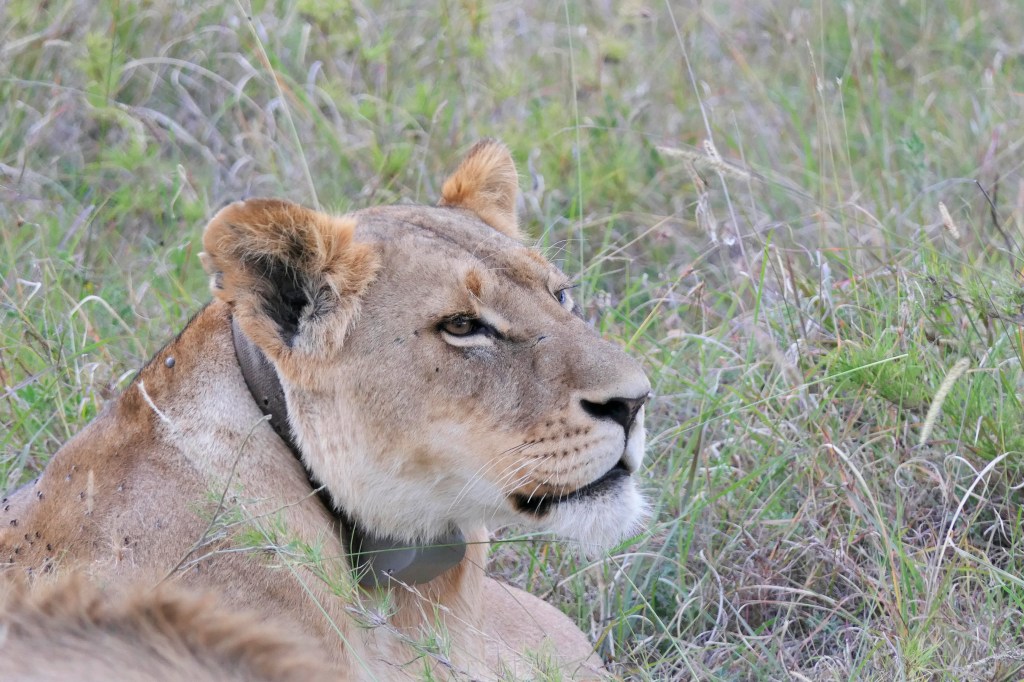
After watching them for awhile it was time to go and find a spot for our bush breakfast.
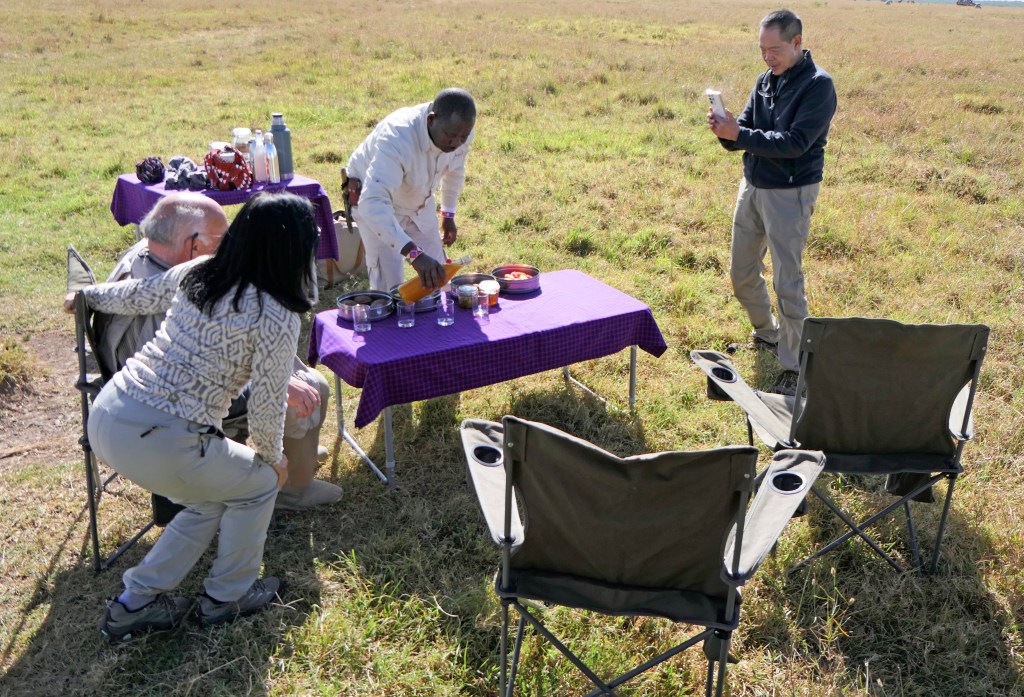
More to come!
 3 For the Road
Absolutely outstanding trip and photos! Wow!
LikeLike
Very cool, thanks for sharing! 😊Sent from my tablet.
LikeLike
wow, love the pics of animals
LikeLike